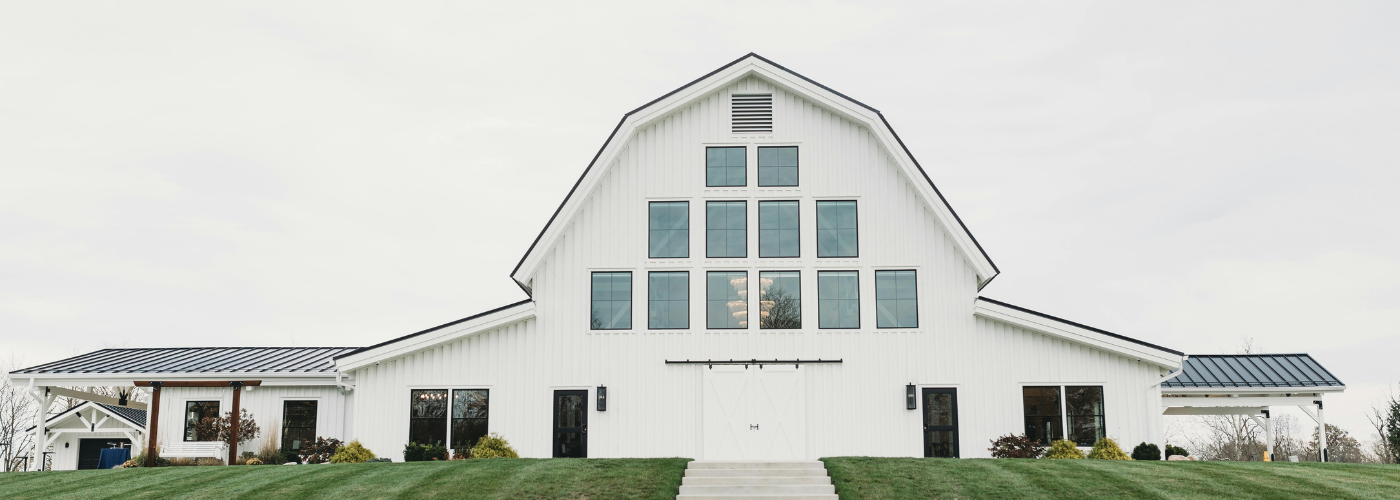
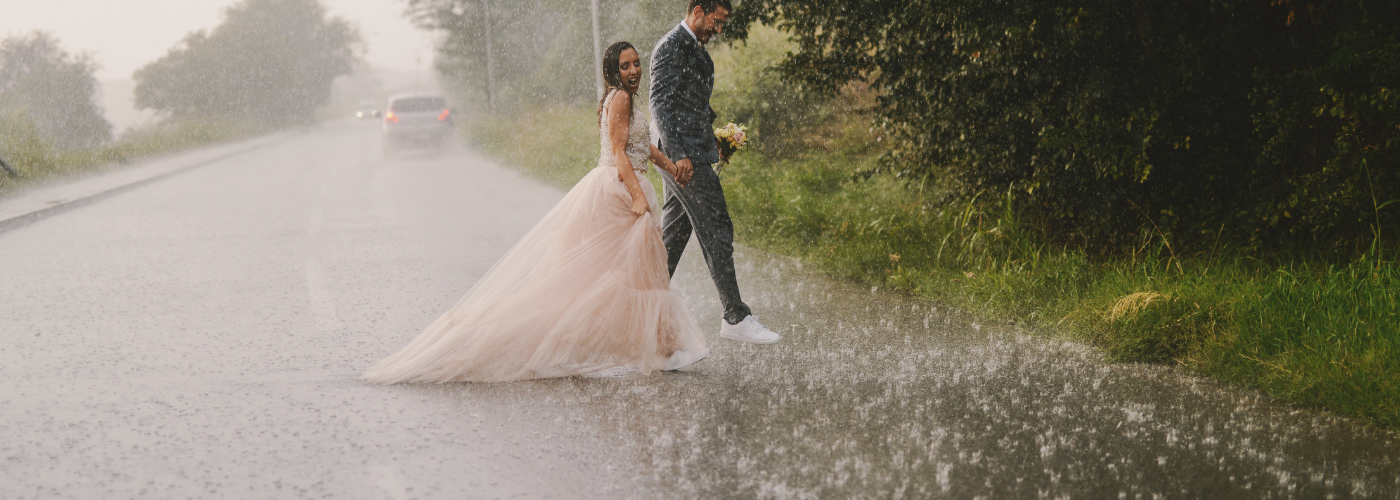
Winter weddings in the UK have a quality that summer weddings rarely achieve: a particular warmth that comes not from the weather but from the contrast with it. Guests gathered inside a well-lit room while it is dark and cold outside, a table laden with good food, candles and decorative lighting doing more atmospheric work than any summer afternoon could manage. The UK's wedding industry has historically treated winter as the off-season, but couples who have planned and hosted weddings between November and February increasingly describe them as the most memorable of the events they attended all year. This guide covers everything you need to know to plan one well, including the considerations specific to South Asian and Muslim couples that most winter wedding guides overlook entirely.
Why More UK Couples Are Choosing Winter
The case for a winter wedding is stronger in 2026 than it has ever been, for reasons that go beyond aesthetics. The financial argument is significant: venues that charge £4,000 for a peak summer Saturday may charge £2,500 to £3,000 for the same space in November or January. Photographers, caterers, and decorators who are fully booked from April to September have open diaries in winter and are often willing to negotiate on price or include additional services to fill them. The saving across all vendor categories at a South Asian multi-event wedding can realistically reach £3,000 to £5,000 for a winter programme versus an equivalent summer one.
Beyond the financial case, winter brings practical advantages that couples only fully appreciate after the day. Venues are not running other events simultaneously. Vendors are less stretched across competing commitments. The overall atmosphere of the day tends to feel more focused and personal, partly because everyone present has specifically chosen to be there in less convenient weather, which is its own form of commitment.
For South Asian and Muslim families in the UK, winter also aligns naturally with the academic and professional calendar in ways that summer does not. University terms run through summer. Professional peak periods for many industries cluster around the second and third quarters. The quieter winter months, particularly November through January, often give families more genuine time and space to host and attend multi-day celebration programmes.
The photographer, caterer, or decorator whose summer diary was full when you enquired may have your exact dates available in winter. Book before you assume a vendor is out of reach.
Choosing the Right Venue for a Winter Wedding
Not every venue suits a winter wedding equally, and the criteria for venue selection shift significantly when the event is happening in November or January rather than July. The outdoor features that make a summer venue attractive, gardens, terraces, external ceremony spaces, become irrelevant or actively unhelpful in winter. What matters instead is how the indoor space performs.
Heating and thermal comfort
This is the first question to ask any potential winter venue. A large hall or converted barn that relies on underfloor heating alone will be comfortable at full occupancy but cold during setup, during breaks in service, and for guests who are near exterior doors. Ask specifically about the heating system, how long it takes to bring the space to temperature, and whether it maintains a comfortable temperature during a long event when doors are regularly opened for guest arrivals. A venue that cannot give you a confident answer to these questions is one to visit in winter conditions before committing.
Lighting capability
Winter venues live or die by their lighting. In summer, natural light carries much of the atmospheric work from late morning through to the early evening. In December, it is dark by 4pm. A venue with flexible, warm artificial lighting, uplighters, dimmable overhead systems, candlelight capability, and the ability to bring in external lighting rigs, can create extraordinary atmosphere. A venue with fixed bright overhead lighting and no flexibility cannot, regardless of how beautiful it looks in its summer photography.
Covered arrival and departure areas
What is a minor consideration in summer becomes essential in winter. A venue with a covered entrance, a portico, or the ability to position a gazebo or covered walkway for guest arrivals protects the first impression of the event from the weather. A venue where guests walk across an open car park in December rain before reaching the entrance is starting the day on the wrong note regardless of how warm and beautiful the interior is.
Proximity and parking
In summer, guests walk from parking areas without much thought. In winter, the distance between where cars are parked and where the event is happening matters significantly more. Check parking capacity, the surface condition of the car park in wet or icy conditions, and whether the path from parking to entrance is lit adequately for a dark winter evening.
Photography in Winter: The Specific Challenges and Opportunities
Winter photography requires a specific conversation with your photographer before the day. The constraints are real: outdoor natural light is limited to a window of roughly 9am to 3:30pm in most of the UK during November and December. If your Nikah or Walima runs across the afternoon into the evening, any outdoor couple photography needs to happen before 3pm or it will be conducted in the dark.
Brief your photographer specifically on the winter light window when you share the running order. Ask them to identify the optimal moment for outdoor portraits given the day's schedule and plan the running order around it rather than hoping it can be fitted in later. A photographer who has worked through UK winters knows this calculation instinctively and will flag it immediately if you do not.
The opportunity side is equally worth understanding. The overcast light of a UK winter day is some of the most flattering natural light available for photography. It eliminates the harsh shadows and squinting that bright summer sun creates in outdoor portraits. Winter also offers visual contexts that summer cannot: frost, bare trees with structural silhouettes, the warmth of candlelit interiors contrasted against dark exterior windows, the reflective quality of wet winter surfaces. A photographer who understands these conditions produces images from a winter wedding that have a distinctly cinematic quality unavailable in summer.
For a December wedding, sunset is around 3:45pm to 4:00pm in most UK cities. Any outdoor portrait session needs to happen by 3pm at the latest to use natural light. Build this into the running order explicitly rather than discovering the constraint on the day.
Winter Wedding Decor: Where the Season Works in Your Favour
Decor at a winter wedding has a natural palette to work with that summer events cannot access. Deep burgundy, forest green, gold, ivory, and navy all read beautifully against the candlelit warmth of a winter interior. Foliage elements that would look out of place in summer feel entirely natural in December. And the absence of competing natural light means that candlelight, fairy lights, and uplighting create an atmosphere that is genuinely dramatic rather than supplementary.
For South Asian weddings, the rich jewel tones that are traditional across bridal and event decor translate particularly well to winter settings. A deep red and gold stage backdrop that photographs beautifully in summer becomes even more striking in a darkened winter hall lit with warm uplighting. The vibrant marigold garlands that are traditional at a Mehndi create a particularly striking visual contrast against the muted tones of a winter exterior.
Practical decor considerations for winter
- Fresh florals in winter. Some summer flowers are unavailable or significantly more expensive in winter, which can increase fresh floral costs. High-quality artificial florals are a genuinely good solution in winter specifically because the warmth of the interior means they photograph identically to fresh arrangements. Discuss this openly with your decorator rather than assuming fresh is always the right choice.
- Candles and fire elements. Winter is the season where candles go from being a decorative choice to being part of the fundamental atmosphere. Budget for them generously across table centrepieces, entrance areas, and any transition spaces. The return on this investment in photographs and atmosphere is higher than almost any other decor spend in a winter context.
- Entrance and exterior styling. The exterior of a winter venue, even a beautiful one, looks bleak in the dark. Uplighting the exterior, adding a warmly lit covered entrance, or positioning lanterns along the path from parking to entrance creates an arrival moment that sets the tone before guests reach the door.
Catering for a Winter Wedding
Winter wedding catering has a natural advantage that summer catering does not: the food and the season are aligned. Rich, warming dishes, slow-cooked curries, hearty biryanis, warming soups and starters, chai served hot throughout the event, all feel exactly right in a winter setting in a way that feels slightly forced at a July event where guests would rather be eating something lighter.
For South Asian winter weddings, the traditional menu translates directly. A slow-cooked lamb karahi, a rich biryani, a warming daal, and a chai station running throughout the event are not compromises for the season. They are exactly what the season calls for, and guests who have come in from the cold will appreciate them more than they would at any summer equivalent.
Hot hold logistics in winter
One practical catering consideration specific to winter is the challenge of keeping food at temperature across the full service period. In summer, the ambient temperature helps. In winter, a poorly insulated serving area can drop the temperature of food in chafing dishes faster than in warmer months. Discuss this specifically with your caterer and confirm their hot-hold equipment is appropriate for the space and the season. A caterer who has worked winter events in your venue type will have dealt with this before. One who has not needs to be asked about it explicitly.
Guest Experience in Winter
Looking after guests at a winter wedding requires a small number of specific additional considerations that make the difference between a day guests find warm and welcoming and one they spend managing the cold.
- A cloakroom facility. Winter guests arrive in coats, scarves, and boots they need to store. A proper cloakroom, staffed or self-service, is not optional at a winter event with more than 50 guests. Without one, coats pile up on chairs and in corridors and the venue immediately looks less polished than it did in setup.
- Hot drinks on arrival. A chai station or hot drink offering available from the moment doors open changes the arrival experience in winter from something guests endure to something they immediately enjoy. The cost is minimal. The impact on how guests feel within the first ten minutes is significant.
- Clear indoor directions. In summer, guests naturally orient themselves with daylight and exterior space. In winter, a dark car park and an unfamiliar entrance create more confusion. Clear external signage lit well enough to be read at 6pm in December, and a family member positioned at the entrance to welcome and direct guests, costs almost nothing and eliminates the most common arrival friction point.
- Prayer space heating. For Muslim families where guests will be praying during the event, ensure the prayer space is adequately heated. A cold side room that guests pray in quickly and leave is a missed opportunity. A warm, properly set-up prayer space with prayer mats, a Qibla marker, and adequate heating becomes a genuine amenity that guests appreciate.
Winter Wedding Outfits: What to Consider
South Asian bridal outfits are typically more elaborate than their Western counterparts and naturally provide more coverage, which is an advantage in winter. A fully embroidered lehenga with long sleeves and a heavy dupatta is significantly warmer than the equivalent summer bridal look, which means the cold is less of a practical concern for the bride than it might be for other wedding formats.
For the couple's arrivals and departures, having a shawl or wrap coordinated with the outfit is worth planning for rather than improvising on the day. A beautiful wool or pashmina shawl in a complementary colour, visible during outdoor photographs, often becomes one of the most visually striking elements of winter bridal photography.
For guests, a clear dress code communication that acknowledges the winter context, a simple note that the venue will be warm indoors but that arrivals are outdoors, allows people to dress appropriately without over or underpreparing for the conditions.
The Planning Timeline for a Winter Wedding
Winter weddings in 2026 and 2027 are increasingly popular, which means the planning lead time that used to feel excessive for an off-season date is no longer generous. For a winter 2026 date, the planning window has effectively closed. For winter 2027, the time to start is now.
- 12 months out: Confirm your dates and book all venues across the full wedding programme. Winter venues fill faster than they once did as more couples recognise the advantages.
- 9 to 10 months out: Book your photographer and videographer. The best photographers who have winter wedding experience and availability are booking into 2027 now.
- 6 to 9 months out: Confirm your caterer, decorator, and henna artists. Send invitations allowing guests enough lead time to plan around the date.
- 3 to 4 months out: Finalise outfits and begin alterations. Confirm all vendor logistics including heating at venues, cloakroom arrangements, and lighting specifications.
- 4 to 6 weeks out: Share the running order with every vendor. Confirm arrival times, setup windows, and the outdoor photography schedule relative to sunset.
Final Thoughts
A winter wedding in the UK is not a compromise on a summer one. It is a genuinely different and in many respects superior experience, both for the couple planning it and for the guests attending. The financial savings are real. The vendor availability is better. The atmosphere, when the decor and the venue are chosen correctly, is richer and more intimate than anything a July afternoon can reliably produce.
The planning requirements are slightly different from a summer wedding, not harder, just different. Understand the light window. Confirm the heating. Sort the cloakroom. Plan the arrival experience. Choose a venue whose indoor space performs in darkness rather than one whose appeal is entirely outdoor. Do those things and a winter wedding becomes one of the most genuinely memorable events a family can host.