Most wedding planning conversations about where to spend more focus on what the couple wants. This one focuses on something different: what guests actually notice. The two are not always the same. A couple can spend significantly on an upgraded invitation suite, a more elaborate cake design, or an additional decor element and their guests will have no idea the upgrade happened. The same couple spending the same amount on better lighting, a smoother arrival experience, or a more attentive catering team will produce a completely different guest response. This guide is about the second kind of spending: the upgrades that guests feel even when they cannot name exactly what made the difference.
The Difference Between What Looks Good and What Feels Good
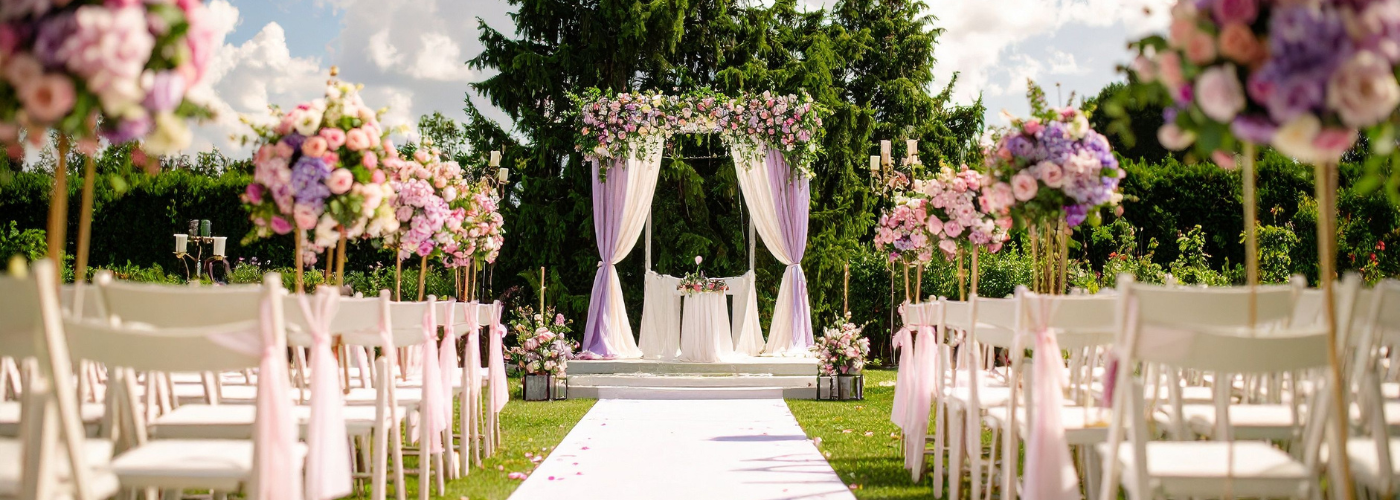
The distinction this guide is built around is worth stating clearly before the list begins. Weddings are planned largely through visual media: Instagram, Pinterest, YouTube. The upgrades that look best in content are not always the ones that produce the best experience for the people in the room. A stunning floral arch photographs beautifully. But guests walk past it once, look at it briefly, and move on. The quality of the food they eat over two hours, the temperature of the room they sit in for the ceremony, and whether the running order gave them enough time to greet the couple before they were hurried elsewhere: these are what people carry home with them.
The upgrades below are filtered through one question: do guests notice this in a way that improves how they feel about the day? Not in a way that photographs well or that impresses on paper, but in a way that changes the actual experience of being at the wedding. That question produces a different list from the one most wedding guides offer.
For any upgrade you are considering, ask: will a guest who did not know this was an upgrade feel the difference? If the answer is yes, it is worth considering. If only the couple and the planner would notice, it is probably not.
Upgrade 1: Lighting
Lighting is the most underrated upgrade in the entire wedding industry and the one that produces the most dramatic transformation for the money. A banqueting hall with standard overhead fluorescent lighting and the same hall with warm uplighting, candles on every table, and a softly lit stage backdrop are almost unrecognisable as the same space. The atmosphere shifts completely, and every guest in the room feels it without necessarily being able to explain why.
Professional uplighting for a hall of 300 guests typically costs between £300 and £800 from a lighting hire company, depending on the number of units and the complexity of the setup. Candle hire for 25 to 30 tables adds another £150 to £300. The combined investment of £500 to £1,100 produces a visual transformation that affects every photograph taken in the room and every guest's perception of the space across the full duration of the event. Few other upgrades in the same price range come close to matching that return.
For South Asian weddings where the stage is the visual focal point of the Nikah or Walima, lighting the stage specifically is worth investing in separately from the room lighting. A well-lit stage with warm, flattering light makes the couple look their best and makes every photograph from the stage session significantly stronger. Ask your decor company whether stage lighting is included in the backdrop package or available as an add-on, and factor it in from the start rather than adding it later when the budget is already stretched.
Upgrade 2: The Arrival Experience
The first ten minutes of a guest's experience at a wedding sets the tone for everything that follows. A guest who arrives to clear signage, someone who greets them and directs them to the right space, a comfortable seating area, and some form of refreshment while they wait, leaves that ten-minute window feeling welcome. A guest who arrives to an unmarked entrance, walks in the wrong door, cannot find where to sit, and stands waiting with no indication of what is happening leaves that same window feeling uncertain. Both groups then sit down for the same event, but they are in different emotional states before it has even begun.
The investment required to transform the arrival experience is small. Printed directional signage for the car park and entrance costs very little. A family member or two designated specifically to greet and direct guests, briefed properly and positioned clearly, costs nothing. A table near the entrance with water, juice, or chai available from the moment doors open costs £30 to £80 for a large event. The combined effect of these small investments on how 300 guests begin their experience of your wedding is significantly larger than their price tags suggest.
Upgrade 3: Catering Service Quality
There is a specific distinction worth making here that most catering discussions miss. The quality of the food at a wedding is one thing. The quality of the service is another. Guests notice both, but they notice service quality more immediately and more personally because it is directed at them individually rather than being a general feature of the room.
A buffet served by a team with enough staff, who replenish trays before they run low rather than after, who manage the queue calmly and attentively, and who proactively check on dietary requirements without being asked, creates a guest experience that is noticeably warmer than the same food served by an understaffed team who are visibly stretched. The food itself is identical. The experience is not.
The upgrade here is not necessarily a more expensive caterer. It is a caterer whose staffing plan matches your guest count properly. When comparing quotes, ask specifically for the staff-to-guest ratio and the plan for managing the buffet queue at peak service. A caterer who can answer those questions with confidence and with a realistic plan is almost always worth choosing over one who is cheaper but vague on service logistics.
Upgrade 4: A Thoughtful Prayer Space
For Muslim guests at a wedding that spans prayer times, the availability of a clean, dignified, and well-signposted prayer space is not an optional extra. It is a basic hospitality requirement, and the way it is handled sends a clear signal about whether guests were genuinely thought of in the planning. A dedicated room with prayer mats, a Qibla marker, and a sign that is visible from the main hall is a simple and relatively low-cost provision. The absence of it creates a genuine inconvenience that guests navigate awkwardly and remember.
The upgrade here is not about spending more money. It is about spending ten minutes in the planning process to confirm with the venue that a suitable room is available, to source the prayer mats (most mosques will lend them for events), and to print clear signage pointing guests in the right direction. The guest who prays Asr during your Walima and finds a clean, clearly signposted space ready for them leaves that moment feeling genuinely welcomed. That feeling is free to create and is noticed by every Muslim guest who attends.
Use a compass or a Qibla app to determine the direction of prayer from your venue space and mark it clearly in the prayer room. This is a detail that costs nothing to get right and matters enormously to the guests who need it.
Upgrade 5: The Quality of the Chai and Refreshments
At a South Asian wedding, chai is not a peripheral refreshment. It is a cultural cornerstone. Guests gather around it, conversations happen over it, and the quality of the chai served at a Mehndi or Walima is noticed and commented on in a way that almost no other refreshment is. A chai station staffed by someone who knows what they are doing, serving fresh masala chai made properly to order, is an upgrade that costs relatively little but creates a disproportionately positive impression.
The difference between a urn of pre-made chai that has been sitting for an hour and a live chai station where guests can watch it being prepared is significant in both quality and experience. A live chai setup for a medium to large event typically adds £150 to £400 to the catering budget depending on the supplier and the duration. It is one of the most commented-on features at any South Asian wedding where it appears, and one of the most noticeable omissions where it does not.
Beyond chai, the quality of soft drinks, juices, and water provision across the full duration of the event matters more than most couples budget for. Guests at a four to five hour wedding need to drink. Running out of cold water or having only one option of soft drink creates friction that accumulates across the day. A well-stocked drinks table replenished regularly is a hospitality basic that is almost always noticed when it is absent and barely registered when it is present, which is exactly how a good upgrade should work.
Upgrade 6: Seating Comfort and Layout
Guests sit at your wedding for a long time. The ceremony, the meal, the stage session, the post-meal gathering: across a full Walima, guests may be seated for three to four hours in total. The quality of that seated experience is noticed in a way that is deeply physical and impossible to ignore. An uncomfortable chair or a table so crowded that guests cannot move their arms without touching their neighbour creates an experience that no amount of beautiful decor can overcome.
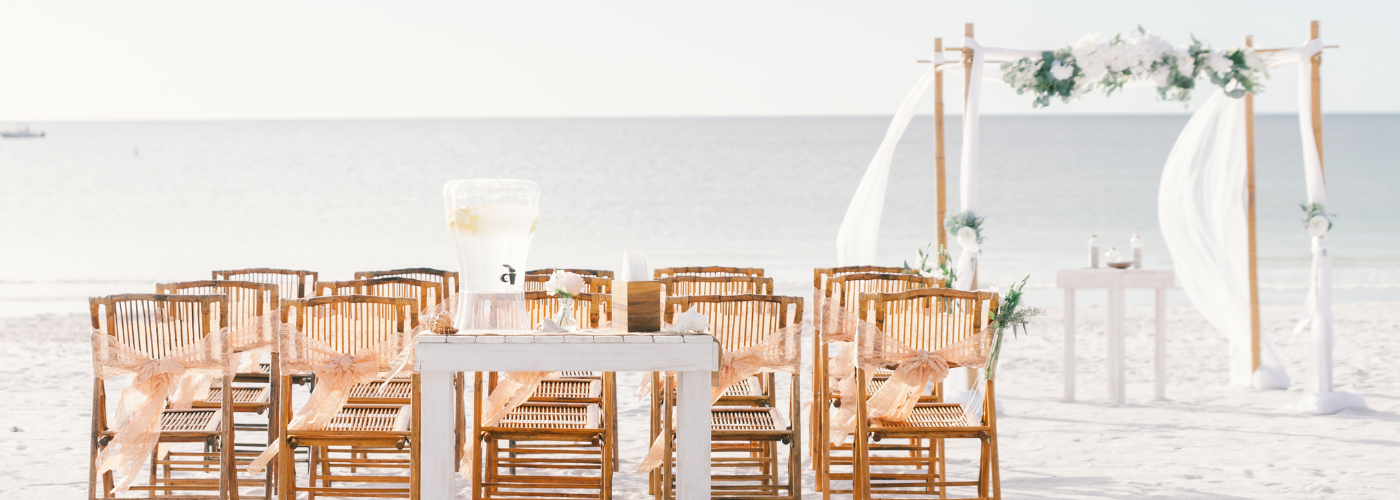
The upgrade here is twofold. First, choose chairs with padded seats rather than basic banquet chairs where the venue offers the choice, even at a modest additional cost per chair. For 250 guests sitting for three hours, the difference between a comfortable chair and an uncomfortable one is felt by every person in the room. Second, resist the pressure to maximise table density. A room that could technically seat 300 guests comfortably seats them in a way that feels congested. The same room configured for 250 guests feels generous and relaxed. The guest experience of those two configurations is completely different.
A practical rule: if guests have to move their chair to let someone through, the tables are too close together. The aisle width between rows of tables should allow two people to pass each other comfortably. This is a standard that venues with experience of large South Asian events know well. If you are using a less experienced venue, specify it in the briefing.
The Upgrade That Costs Nothing: Communication
The most impactful thing a couple can do for their guests' experience costs nothing and is consistently overlooked. It is simply this: tell guests what is happening and when. A brief order of events on the table, a WhatsApp message the day before with arrival time, parking information, and a rough timeline of the day, and clear verbal announcements at each transition in the event all reduce the ambient uncertainty that guests feel when they do not know what comes next.
Guests who know the running order arrive on time, find their seats efficiently, and move through the event with confidence. Guests who are uncertain about what is happening and when tend to cluster near exits, disappear to make phone calls, and miss key moments because nobody told them they were about to happen. Clear communication is not a budget item. It is a planning decision that has a larger effect on the guest experience than most paid upgrades.
What These Upgrades Have in Common
Every upgrade in this guide shares the same quality: it affects the guest experience directly, physically, and personally rather than visually from a distance. Lighting changes the atmosphere every guest breathes. The arrival experience sets the emotional tone before the event begins. Service quality affects every interaction at the buffet. The prayer space meets a genuine need. The chai and seating speak to comfort and hospitality at their most basic.
None of these are the upgrades that photograph best or look most impressive on an Instagram reel. They are the ones that make guests say, when someone asks them how the wedding was: it was beautiful and everything ran so smoothly, the food was incredible, and they thought of everything. That response is worth more than any visual upgrade, and it is produced by the kinds of investments this guide describes.
Final Thoughts
The best-run weddings are not always the most expensive ones. They are the ones where someone thought carefully about what guests would actually experience rather than what the event would look like from the outside. Lighting, a warm arrival, attentive service, a dignified prayer space, good chai, and comfortable seating are not glamorous investments. They are the ones that produce a wedding guests remember as genuinely well done rather than just well styled.
Spend where guests feel it. Save where they will not notice. The couple who holds that principle through every planning decision arrives at a day that their guests experience as exceptional, whether or not it cost more than average to produce.