A strong vendor profile does two things well. It shows your work clearly, and it answers the questions couples are already asking before they even reach out to you. When both of those things are in place, the enquiries you receive are better quality, easier to convert, and far less time-consuming to manage. This guide covers each element of a Wedsi listing and what to do with it to give your profile the best possible chance of standing out.
Lead With Real Images That Show the Full Service
Images are the single biggest driver of clicks and confidence on any vendor listing. Couples browse profiles visually before they read a word of the description. If your images do not immediately communicate quality and relevance, most couples will move on without reading further.
On Wedsi, you can upload up to 30 images per listing. Use that space deliberately, not just to fill it, but to show range, consistency, and context.
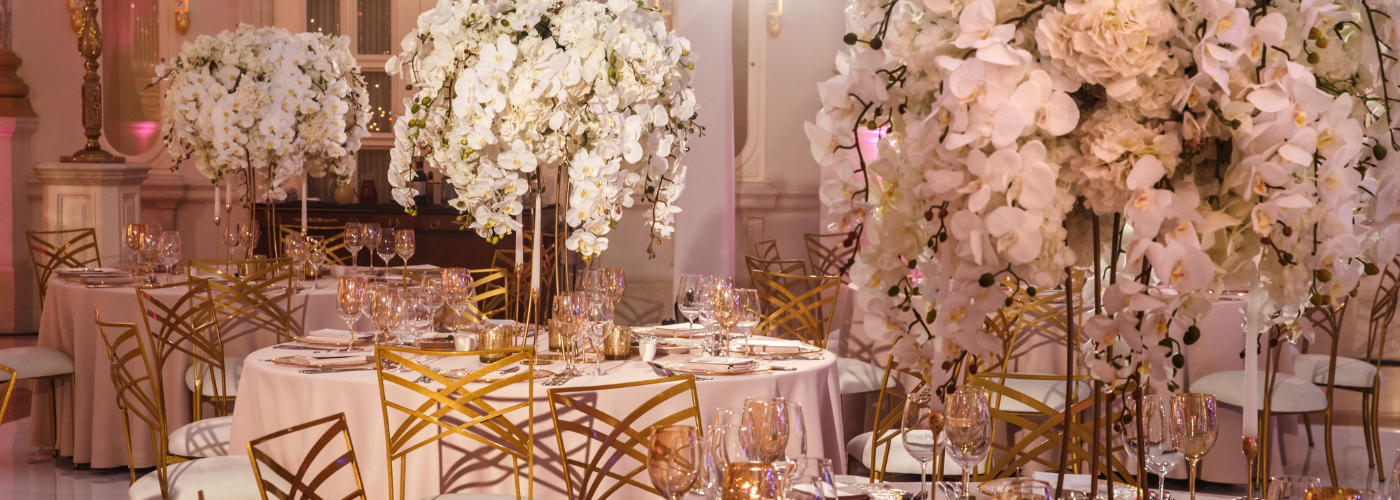
- Include full-scene shots that show the complete setup or finished result, not just close-up details. Couples need to understand what the full service looks like in a real venue.
- Show different scales of work. For a decor or catering vendor, for example, show a small intimate Nikah setup, a mid-size marquee build, and a large banqueting hall layout. This tells couples immediately whether your work fits their guest count and venue type.
- Include setup details. Signage, table styling, staging, lighting, and any included extras should all appear in your images. Couples often ask about these things because they cannot tell from a listing that they are included.
- Set your strongest image as the thumbnail. This is the image that appears in search results before a couple clicks through to your full profile. It needs to represent your best and most relevant work at a glance.
Old images from several years ago can work against you if your style, quality, or offering has evolved since then. A short dedicated session photographing a recent setup or finished product specifically for your Wedsi listing is time well spent. Couples read freshness from images in ways that are hard to articulate but easy to feel.
Write a Clear, Specific Service Title
Your listing title is read in a fraction of a second during a search result scroll. It needs to communicate what you do and who it suits in as few words as possible. Taglines and brand language belong elsewhere. The title is purely functional.
- State the service name clearly as the first thing in the title. "Stage and Backdrop Styling for Halls and Marquees" communicates more in a search result than "Bringing Your Vision to Life."
- Include a use case or guest range if it fits. "Family-Style Catering for 120 to 400 Guests" immediately tells couples whether you are relevant to their event size without them needing to read the description.
- Avoid filler words. "Professional," "experienced," and "bespoke" appear in almost every listing on every platform. They add no information. Specific details do.
Use the Description to Answer Questions, Not Just Describe the Service
The description is where couples decide whether to send an enquiry. Most couples arrive at a listing with a set of specific questions already in mind. If your description answers those questions without requiring them to message first, you reduce friction, save your own time, and increase the likelihood of a booking conversation.
A simple structure that works consistently:
- Opening overview: one or two sentences on what you offer, where you work, and the types of events you cover. Keep it factual and direct.
- What is included: list the specific deliverables clearly. Setup and pack-down, the number of hours of coverage, the equipment provided, the number of staff attending. Couples should not have to ask about any of these.
- A short Q and A section: take the three or four questions you receive most often and answer them inside the description itself. For example: "Do you cover setup and pack-down? Yes, setup is included and pack-down follows your venue's handover time." This saves both parties a round of messages before anything meaningful has been discussed.
Keep the language plain and the sentences short. A description that reads easily in 60 seconds performs better than one that requires careful reading to understand.
Select Keywords That Match How Couples Actually Search
After selecting your service category in the listing form, you will see keyword options that reflect the most common search terms within that category. Select every keyword that genuinely applies to your service, and add your own where the predefined options do not fully cover what you offer.
- Think in search terms, not internal terms. Couples search for "halal catering Birmingham" or "Asian wedding photographer London," not "cuisine specialist" or "visual storyteller." Align your keywords with the language your clients actually use.
- Title, description, and keywords work together in Wedsi search. When all three consistently reflect the same service, you appear for more relevant searches and attract couples who are already looking for exactly what you offer.
- Revisit your keywords periodically. As your service evolves or you expand into new areas, your keywords should reflect that. A keyword that was accurate when you first set up the listing may no longer represent what you are actually delivering.
A listing with missing images, a vague title, or a description that does not answer basic questions will generate enquiries that require significant back-and-forth before a booking conversation can even begin. Every gap in your profile is a question a couple will need to ask you directly. Fill the gaps and the conversations start further along.
Set a Clear, Fair Cancellation Policy
Cancellation policies are one of the first things experienced couples check before committing to an enquiry. A policy that is clearly stated and feels reasonable builds trust before any conversation has taken place. A vague or absent policy creates uncertainty that often stops a couple from reaching out at all.
- Set a full refund window that reflects a realistic notice period for your service. For most wedding vendors, 90 to 120 days before the event is a standard outer limit for a full refund. This reassures couples that booking early does not carry unnecessary financial risk.
- State clearly what happens after the refund window closes. Specify the amount you retain as a proportion of the booking value and at what point that applies. Ambiguity here is the most common source of post-cancellation disputes.
- Keep the language simple. Your cancellation policy does not need legal language. A plain sentence that a couple can understand in ten seconds is more reassuring than a paragraph of formal terms.
Final Thoughts
The strongest vendor profiles are not the most elaborate ones. They are the most complete and the most honest. Real images that show your work in context, a title that communicates what you actually do, a description that answers the questions couples arrive with, keywords that match real search behaviour, and a cancellation policy that feels fair. Get these five things right and your listing works for you continuously, attracting the right couples and filtering out the ones who are not a genuine fit, without any additional effort from you.