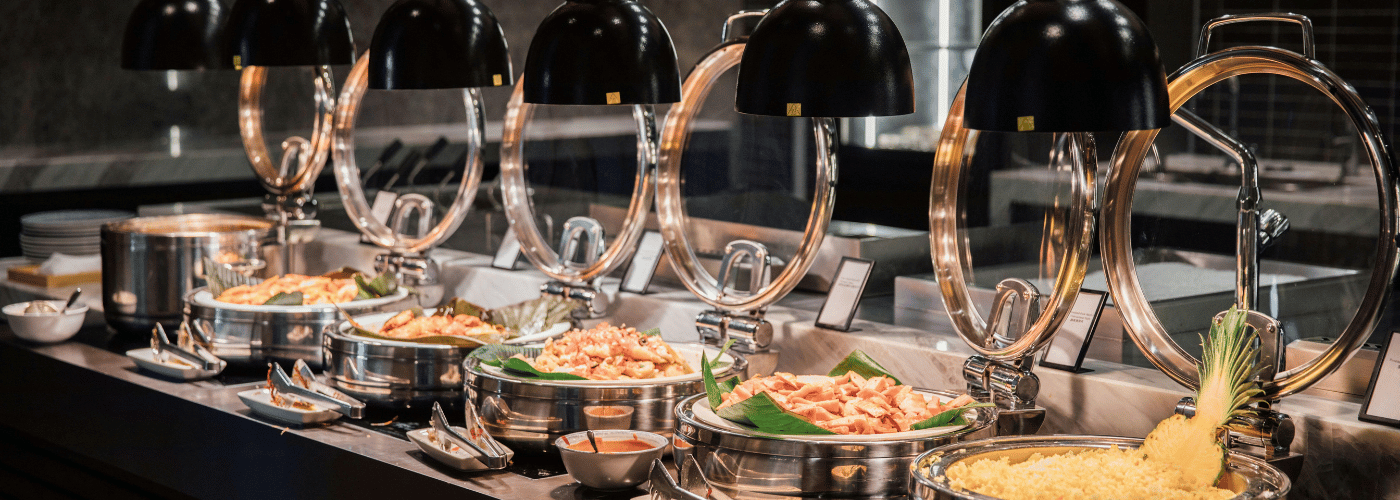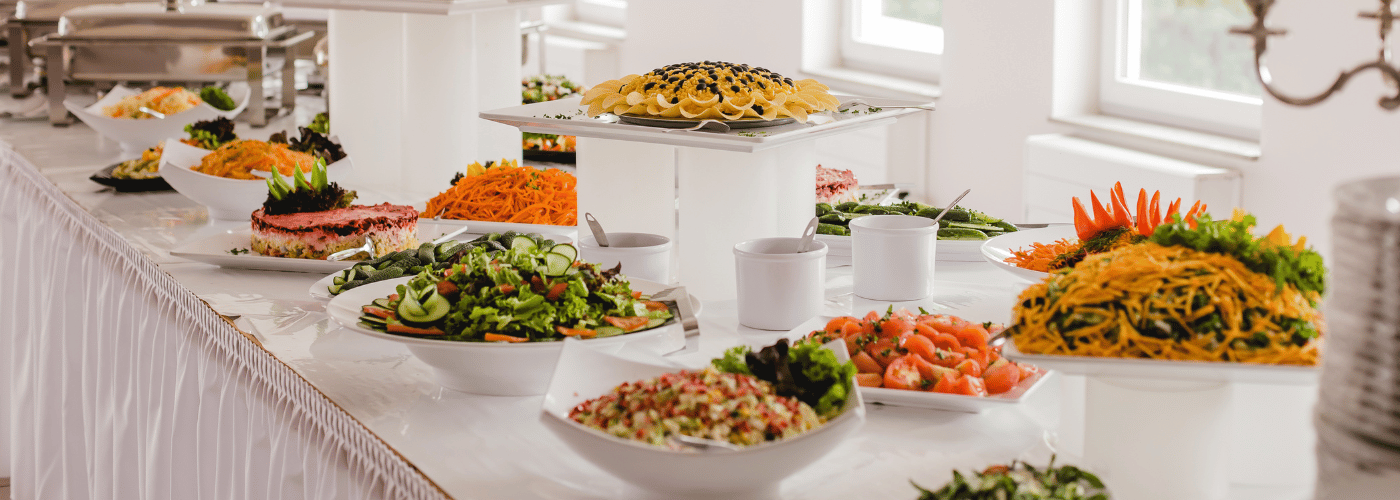
Food is one of the largest investments in any UK wedding, and at the end of the night there will almost always be some left over. How that food is handled matters more than most couples realise before the day. A clear plan keeps things organised, respects the effort that went into preparing the food, and makes the close of the event far smoother for the family and the catering team. Most couples never think about this part. The ones who do are always glad they did.
This guide covers the most practical and realistic approaches to managing food leftovers and general wedding waste at UK events, based on how caterers, venues, and families actually handle it.
Start With Your Venue and Caterer Before the Day
Before planning anything, you need to know what your venue actually permits. Policies vary significantly. Some venues allow guests to take food home freely, others have strict food safety rules that limit what can leave the premises. Your caterer will follow whatever the venue permits, so this is the first conversation to have.
Ask both parties these two questions early:
- Can leftover food be packed and taken home by the family or guests after the event?
- Can surplus food be donated through a charity partner, and if so, who arranges it?
Getting answers to these before you finalise your catering contract sets expectations on all sides and removes the last-minute confusion that often happens when the night winds down and nobody knows what is supposed to happen next.
Once you have confirmed your venue's policy, write your leftover plan directly into the brief you give your caterer. When it is written down and agreed in advance, it happens. When it is assumed on the night, it rarely does.
The Most Reliable Option: Packing for the Family
For most UK weddings, especially South Asian and Muslim celebrations where catering quantities are often generous and multi-course, the simplest and most efficient approach is having the caterers pack remaining dishes for the family to take home. This keeps food from going to waste and is genuinely appreciated the day after a long wedding week.
A caterer managing this properly will:
- Pack remaining mains, sides, and desserts into sealed containers as soon as the serving period ends.
- Label containers by dish so the family knows what is in each one without having to open them all.
- Store everything safely in a cool area until the family or a nominated person collects it at the end of the night.
This works across almost every event format and puts the food directly into the hands of people who will use it. It requires very little coordination as long as the caterer knows it is expected.
Distributing Leftovers to Guests
Some families prefer to send small containers or parcels of food home with guests who stay until the end of the event. This can work well and guests genuinely appreciate it, but it only goes smoothly when it is planned properly in advance.
- Arrange the containers beforehand, either your own or supplied by the caterer. Do not leave this to the last minute.
- Tell the caterer in advance which dishes should be portioned for distribution and how many containers are needed.
- Nominate one family member to oversee the process on the night. Without a single person managing it, the distribution becomes rushed and disorganised.
Without a plan, this quickly becomes chaotic in the final hour of an already busy day. With a plan, it takes 20 minutes and guests leave with something warm to take home.
Surplus Food Donation Through Approved Partners
Some venues and established caterers work with food redistribution charities or local community organisations. Donating surplus food is a meaningful way to ensure nothing goes to waste, but it operates under strict food safety and handling requirements.
- Food must stay within safe temperature controls throughout handling. This means the collection process needs to be planned alongside the catering timeline.
- Only untouched, freshly prepared dishes that fall within safety windows can be donated. Partially served or held food is typically not accepted.
- The charity or redistribution partner must be pre-approved by the venue. Couples cannot usually arrange their own collection due to the venue's food safety responsibilities.
If this matters to you, raise it during your venue and catering conversations and ask whether they already have a partner in place. Many do. It just needs to be activated as part of the planning rather than suggested on the night.
Managing General Waste: Packaging, Decor, and Disposables
Food leftovers are only part of the picture. Weddings generate a significant amount of packaging waste, disposable items, and decor materials. A simple system before the day makes the clean-up far less stressful for everyone involved.
- Confirm who is responsible for what. Agree in writing who clears tables, who handles bins, and whether the venue's team or your caterer manages the end-of-night clear-down.
- Ask decor suppliers to remove their own packaging. Most will do this without needing to be asked, but confirming it avoids boxes and wrapping being left behind for the family to deal with.
- Set up clearly labelled bins for general waste, recyclables, and any specific categories your venue requires. Guests and staff will use them if they are obvious and accessible.
- Designate a single person on the night to manage the waste process. Without one person accountable, the assumption that someone else is handling it reliably leads to nothing being handled.
Some venues require the space to be cleared to a specific standard before your hire period ends. Check this in your contract. If there are penalties for items left behind, assign someone to monitor it well before the final hour.
Order More Carefully to Reduce Waste From the Start
The most effective way to reduce leftover waste is simply ordering closer to the right quantity from the outset. An experienced caterer will help you with this, but a few consistent patterns are worth knowing before that conversation.
- Buffets require more volume per head than plated meals because guests self-serve and portions are less controlled.
- Starters consistently produce the most leftover waste at weddings. Guests arrive hungry but pace themselves once the main event begins.
- Dessert tables do not need one full portion per guest. Guests rarely eat a full dessert each when multiple options are available to share.
- Children eat significantly less than adults and should be counted separately when agreeing quantities with your caterer.
Small adjustments across these categories can reduce leftover volume noticeably without any guest noticing the difference.
Final Thoughts
Wedding waste and leftovers are one of the most overlooked parts of the planning process, and they are also one of the easiest to get right when addressed early. A simple decision made weeks before the day, about who packs what, where it goes, and who is responsible, removes what would otherwise be a stressful conversation at 11pm when everyone is exhausted.
Whether you pack food for the family, share it with guests, or work with a donation partner through your venue, the principle is the same. Decide the plan before the day, write it into your catering brief, and assign someone to own it on the night. That is all it takes.