A deposit of a few hundred pounds, a friendly chat over WhatsApp and a "see you on the day" is how a surprising number of UK wedding bookings are made. It feels easy and informal, and most of the time it works out. But when it does not, couples are left with no agreement to point to, no clear refund position and a wedding date that cannot move. Booking safely does not mean being suspicious of every vendor. It means putting a few simple habits in place before any money changes hands.
This guide walks through the whole process in the order you will actually meet it: checking who you are dealing with, getting the agreement in writing, paying in a way that leaves you with options, noticing warning signs and staying in touch after you book. It applies whether you are hiring a photographer, a caterer, a henna artist, a marquee company or a venue.
Why Safe Booking Matters More Than You Think
A wedding is unusual among purchases. The date is fixed, the money is paid months in advance, and the service cannot be repeated if it goes wrong. A faulty appliance can be returned. A photographer who does not turn up cannot be rebooked for a day that has already happened.
Multi-event weddings raise the stakes further. A couple planning a mehndi, nikah and walima may have a dozen vendors, each holding a deposit, each with their own terms and each relying on dates, times and details that need to stay consistent. The more suppliers you have, the more important it becomes to have a clear record of what each one agreed to.
The good news is that safe booking is mostly about habit, not expertise. Most problems come from missing information, not bad intent: a verbal promise that was remembered differently, a deposit with no receipt, a date that was never actually confirmed. Fixing those gaps takes minutes at the time of booking and saves weeks of stress later.
The Principle: If It Matters, Get It in Writing
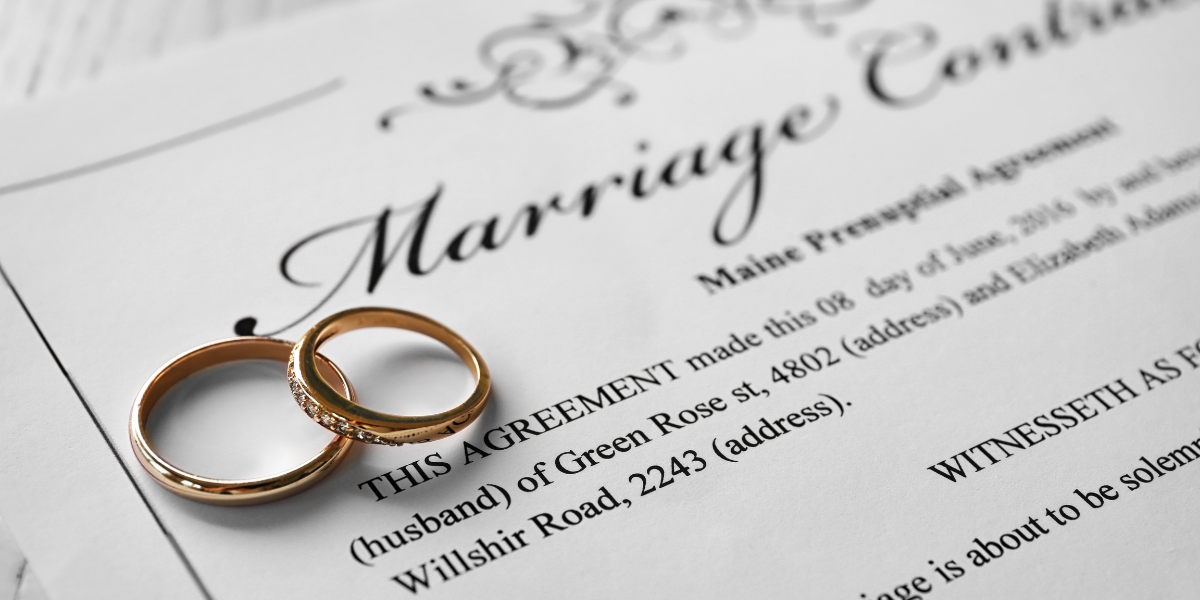
Everything in this guide rests on one idea. Anything that matters to you should exist in writing, in a place both sides can see. That might be a formal contract, a signed quote, an email or a booking confirmation. It does not need to be complicated. It needs to be clear.
Professional vendors prefer written agreements because they protect them too. If a vendor is relaxed about putting things in writing, that is a good sign. If they resist it, pay attention.
Step 1: Check the Work and the Person
Before you think about contracts or deposits, make sure you are comfortable with who you are hiring. A beautiful feed tells you what a vendor can produce on their best day. You also want to know how they behave when things are ordinary, busy or difficult.
- Look at recent, complete work. Ask to see full galleries, full menus or full setups from recent events, not only a highlight reel.
- Check consistency over time. A history of posts and reviews spread across months or years is more reassuring than a handful of items posted in the same week.
- Speak to a previous client if you can. A short message from a real couple tells you more than any caption. Most vendors are happy to put you in touch.
- Ask around your community. Family, friends and local groups often know who is reliable. Word of mouth is still one of the strongest signals.
- Have a real conversation. A call or a meeting lets you judge how clearly they communicate, how they handle questions and whether they listen to what you actually want.
None of this requires you to treat the vendor as a suspect. You are simply doing the same due diligence you would for any significant purchase.
Step 2: Get a Written Agreement
Once you have chosen a vendor, ask for the terms in writing before you pay anything. A good agreement answers the questions that cause the most disputes later. At minimum it should include:
- The full names and contact details of both parties, including the business name
- The date, start and finish times and the venue or location
- Exactly what is being provided, described specifically rather than as "full coverage" or "standard package"
- The total price and what is and is not included, such as travel, overtime, VAT, setup or collection
- The payment schedule, including the deposit amount and the due date for the balance
- What happens if either side cancels or you need to postpone, including what is refundable
- What the vendor will do if they are ill or unable to attend, and who the replacement would be
That last point is often overlooked, and it matters. Ask directly: if you cannot make it, what is the plan? A professional vendor will have an answer.
Some smaller vendors do not use contracts. In that case, send a clear message summarising the date, price, what is included and the deposit, and ask them to reply "confirmed". A written reply gives you a record, even without a formal document.
Step 3: Pay in a Way That Protects You
How you pay can matter as much as what you sign. Different payment methods give you different options if something goes wrong, so it is worth choosing deliberately where you have the choice.
- Credit card. In many cases, paying by credit card gives you extra protection under Section 75 of the Consumer Credit Act, which can make the card provider jointly responsible if a purchase between £100 and £30,000 goes wrong. It does not apply in every situation, and some vendors do not accept cards, so check how it applies to your booking.
- Debit card. Debit card payments can sometimes be disputed through a process called chargeback. This is a scheme rule, not a legal right, so it is not guaranteed, but it can be worth trying.
- Bank transfer. Transfers are common and convenient, but they offer the least protection because the money leaves your account directly. If you pay by transfer, be extra careful about who you are paying and keep records.
- Cash. Avoid paying cash unless you receive a written receipt at the time.
If you are paying by bank transfer, use the confirmation of payee check your bank shows you. It compares the name you typed with the name on the account. If it does not match, stop and ask the vendor to explain before you go ahead.
Deposits are normal and reasonable. For most wedding vendors, a deposit in the region of 20 to 30 percent is typical, with the balance due closer to the date. Be cautious if a vendor asks for the full amount far in advance, particularly for a date many months away, unless the reason is clear and written down.
Keep Your Own Payment Record
Whatever method you use, keep a simple log: the vendor, the amount, the date, how you paid and the receipt or confirmation. Screenshots of transfers and saved emails are enough. If a disagreement ever arises, a tidy record settles most of it quickly.
Step 4: Know the Warning Signs
Most vendors are honest and hardworking. A small number are not, and a larger number are simply disorganised. The signs below do not prove anything on their own, but a combination of them is a reason to slow down.
- Pressure to pay now. "Only one date left" or "price goes up tonight" can be genuine, but be wary when it is used to rush a decision.
- Reluctance to put anything in writing. If a vendor will not confirm the basics in a message, that is a concern.
- Prices far below the market. Unusually cheap quotes can mean hidden extras, inexperience or something worse. Compare at least three quotes.
- A payment request to an unrelated personal account. If the account name does not match the business or person you have been dealing with, ask why.
- Work that looks borrowed. If images do not match what the vendor describes, or you cannot find the same work anywhere else, ask for more examples.
- Evasive communication. Slow replies are normal in busy season. Vague answers to direct questions are different.
- Changing details. A name, number or account that keeps changing is worth querying.
If something feels off, trust the feeling enough to ask a direct question. A genuine vendor will answer it. Their response will tell you a great deal.
Step 5: Stay in Contact After You Book
Booking is not the end of the process. The months between signing and the wedding are when details drift, so build a light rhythm of contact.
- Send a short confirmation message a few months out to check the date, time and location are still correct.
- Share any changes in writing as soon as they happen, such as guest numbers, timings or venue access.
- Confirm the final payment date a couple of weeks ahead and pay it as agreed.
- Send a final run-of-day summary to each vendor a week before, with a contact name for the day.
- Save every message, receipt and confirmation in one folder you can reach on the day.
Keeping every booking, payment and message in one place makes this far easier, especially when you are juggling several events and vendors. It is also the reason many couples prefer to book through a platform rather than scattered chats.
If Something Goes Wrong
Even with good preparation, problems can happen. If a vendor cancels, does not deliver what was agreed or will not return a deposit you believe is due, work through these steps calmly and in order.
- Make a written request. State clearly what went wrong, what you want (a refund, a replacement, a fix) and a reasonable deadline. Keep the tone factual.
- Gather your evidence. Agreement, messages, receipts and any photos or screenshots.
- Contact your card provider. If you paid by credit or debit card, ask about Section 75 or chargeback, as appropriate to how you paid.
- Consider small claims. In England and Wales, the small claims track generally covers claims up to £10,000. It is designed to be used without a solicitor, though there are fees and deadlines, so check the current rules on GOV.UK before you start.
If your vendor cancels shortly before the date, our step-by-step guide on what to do if your vendor cancels last minute covers the replacement search and how to handle each vendor type. This section is general information, not legal advice, and your rights depend on the specific facts and contract.
Your Seven-Point Safe Booking Checklist
Before you pay any deposit, run through this list:
- I have seen recent, complete examples of their work.
- I have spoken to the vendor properly, ideally by call or in person.
- The date, location, times and exact inclusions are written down.
- The total price, deposit and balance due date are confirmed in writing.
- The cancellation, postponement and illness policies are clear.
- I am paying in a way that matches the account name and leaves me options.
- I have a receipt and have added the payment to my log.
Seven ticks will not guarantee a perfect wedding, but they remove the most common causes of avoidable trouble.
Final Thoughts
Booking safely comes down to three habits: know who you are hiring, get the terms in writing and pay in a way that leaves you options. None of them is difficult, and good vendors will not mind any of them. They tend to appreciate clients who are organised, because it makes the whole job smoother.
If you would like your vendor searches, messages and bookings kept together in one organised place, you can browse trusted UK vendors across 17 categories on Wedsi. For more on why written, trackable bookings are replacing informal chats, read why secure online bookings are replacing Instagram DMs.