The best wedding photos feel natural and unforced. They also benefit from a simple plan. Without any structure, couples often spend too much of the day being pulled away from guests for photographs that could have been captured in a fraction of the time with better preparation. With too rigid a structure, the day feels like a photoshoot rather than a celebration.
The goal is a short, honest shot list that protects the moments that matter, keeps elders and family comfortable, and gives your photographer clear direction without micromanaging every frame. This guide walks through how to build that plan for a UK wedding, with specific attention to the cultural and faith-related considerations that apply to many South Asian and Muslim couples.
Build the Plan in Three Parts
Start with a simple one-page document divided into three sections. The first section covers the non-negotiable portraits you want: specific people, specific moments, specific combinations. The second covers candid priorities, the situations and interactions you hope your photographer will capture naturally rather than staging. The third is your family group list, in the order you want to shoot them.
Keep it to one page. A shot list that runs to four pages creates more pressure than it relieves, both for you and your photographer. Share it with your photographer at least one week before the event, and give a copy to one trusted family lead from each side of the family who can gather the right people quickly when it is time for group photos.
Before the Ceremony: The Quietest Window of the Day
The period before guests arrive is the calmest and most controlled window of the entire day. Use it deliberately. Once the ceremony begins and guests fill the space, the logistical complexity increases significantly. The moments that are hardest to recreate later are best captured here.
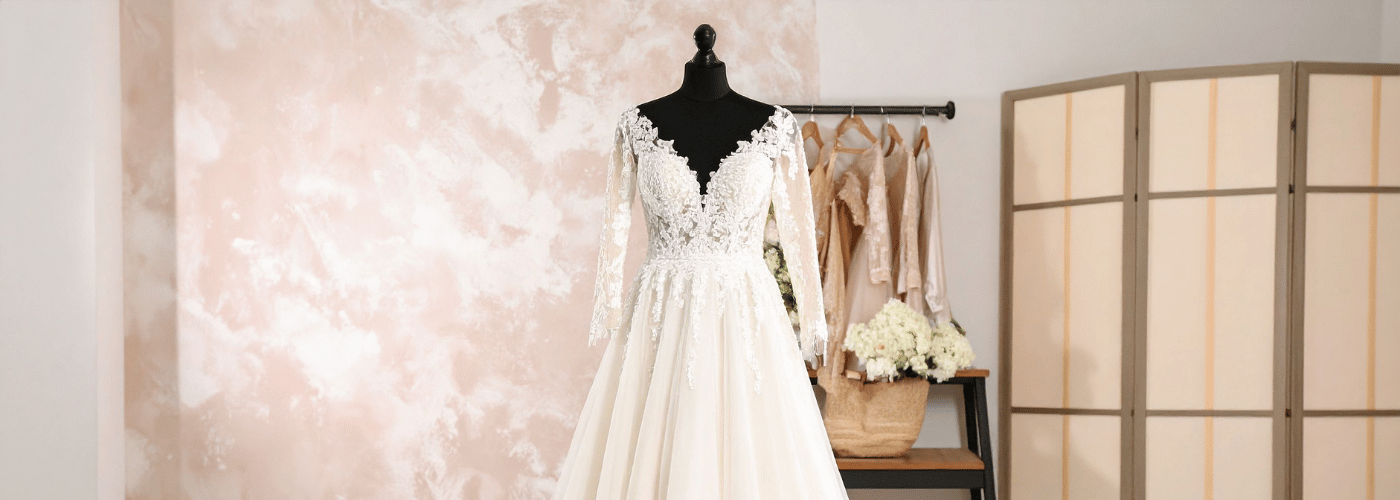
Details worth capturing: outfits laid flat or hanging, jewellery, cufflinks, shoes, any personalised items such as embroidered pieces or calligraphy gifts, the invitation, rings, and floral elements. These images serve a different purpose to portraits. They document the craftsmanship and thoughtfulness that went into the day and photograph well under soft natural light with minimal direction from the photographer.
Pre-ceremony portraits: a calm portrait of each partner individually, then a few frames with immediate family if the schedule allows. Keep this window short so both partners arrive at the ceremony feeling relaxed and present rather than photographed-out. If the schedule is tight, capture only the solo portraits and save family frames for after the ceremony when energy is higher.
Give the detail shots a dedicated fifteen-minute window before anyone else arrives. Lay the items out in advance on a clean surface near natural light. Once guests begin arriving, this window closes and these images become very difficult to capture with the same calm and quality.
Key Moments During the Ceremony
Focus your photographer's attention on the parts of the ceremony that carry the most meaning for you. For a nikah, this typically includes the signing of the contract, the spoken commitments, the moment of completion, and the respectful greetings between families immediately after. For a reception ceremony or welcome ritual, identify the specific steps in advance and list them in order so your photographer does not need to ask.
Ask for one wide frame at the beginning that captures the full environment and the people gathered, then close frames for hands, expressions, and the quiet details that communicate the significance of the moment. Agree beforehand whether you want your photographer close to the ceremony proceedings or positioned at a respectful distance. For many Muslim couples, a more discreet position during the nikah itself feels more appropriate, and your photographer should be briefed accordingly.
After the Ceremony: Family Group Photos
Group photos run most smoothly when three conditions are met: the list is clean and ordered, the location is fixed and announced in advance, and one person from each family side is responsible for gathering people. Without these three things, group photos routinely take twice as long as they should and leave elders standing in discomfort.
Choose a spot with good natural light and enough physical space for your largest group. Near the ceremony exit or in front of the main stage area usually works well. Fix this location in the plan so both your family lead and your photographer know exactly where to direct people without any discussion on the day.
A Family Group Order That Works
Order the list so it moves from the largest groups to the smallest, ending with the most intimate combinations. Start with both families together, then each family side separately, then parents with the couple, then siblings, then extended family combinations. This structure means elders and young children, who are typically in the first and largest groups, can be released early and find comfortable seating while the remaining frames are completed.
If any relative needs step-free access or has mobility considerations, choose a ground-level spot with clear, even paths and brief your family lead on this in advance so they can make arrangements quietly without drawing attention during the photos themselves.
Couple Portraits Without Disappearing for an Hour
Fifteen minutes is genuinely enough for couple portraits when two conditions are in place: the locations have been chosen in advance and are within easy walking distance of the main event space, and the photographer has been briefed on the style of images you want rather than being left to direct everything from scratch on the day.
Choose two nearby spots that offer different backgrounds and light quality. Ask for a combination of a few composed, still frames and some natural walking or conversational frames. Keep the window short and fixed in the schedule so neither of you feels the pull of guests waiting. The goal is images that feel like you, captured in a brief and purposeful window rather than an extended session that takes you away from the celebration.
Candid Moments That Tell the Real Story
Some of the most valued images from a wedding are ones nobody posed for. The challenge with candid photography is not capturing these moments, it is directing your photographer's attention toward the situations where they are most likely to occur. A vague instruction to "capture natural moments" produces inconsistent results. A short list of specific priorities produces images you will actually want.
- Family reunions: warm greetings between relatives who have not seen each other for a long time, particularly between elders across both families.
- Elders with children: grandparents or older relatives sitting with young children during quiet moments between events.
- Small acts of care: someone adjusting a pin, helping with a dupatta, bringing water to an elder, or sharing a quiet word with the couple before the ceremony.
- Reactions during key moments: family members watching from the side during the nikah or ceremony, parents in the moments immediately after.
Tell your photographer which family members matter most to you for candid coverage. If your grandmother has travelled from abroad and this may be the last time the whole family is together, say that explicitly. A photographer who understands the emotional weight of specific relationships will give those moments more attention and care.
Event-to-Event Transitions for Multi-Day Weddings
For couples whose wedding runs across multiple events, a few deliberate frames that mark the transition between days help the album tell a coherent story rather than feeling like a collection of unconnected moments. Arrival at the next venue, a quiet look at the setup before guests enter, the decorated entrance or signage, and a frame of the couple together at the start of each event create natural chapter markers through the wider story of the wedding.
These transition images do not require dedicated time. They can be captured in the first five minutes of arrival at each venue while the photographer is still moving through the space.
Respect for Faith and Privacy
Decide your boundaries in advance and put them in writing as part of the brief to your photographer. Some moments are private by choice or by requirement of faith. Agree what should never be photographed, what can be captured from a respectful distance, and what is fully available to document closely. Common considerations include the nikah proceedings, prayer times, female-only spaces, and any family members who prefer not to be photographed.
A photographer who is briefed on these boundaries in advance can navigate the day with confidence and discretion. One who receives this information only on the day, in the moment, is more likely to make a misjudgement that causes discomfort. Written guidance, shared a week ahead, is the most reliable way to ensure your boundaries are respected throughout.
How to Brief Your Photographer Effectively
Share your one-page plan at least one week before the event, not the day before. Include the full run time for each event, the name and contact of your family lead from each side, and any mobility or access considerations for elders. If you have a prayer space or quiet room, mark it on the venue floor plan and be explicit about whether you want any images captured in or near that area.
A short call or message exchange after sharing the plan is worthwhile. Confirm that your photographer has read and understood the cultural steps in the ceremony, knows which family members are the highest priority for candid coverage, and has the practical information they need about the venue layout and timing to plan their positioning through the day.
Keep the Schedule in Time Blocks, Not Long Lists
Short, fixed time blocks with clear locations work far better than a long continuous list of shots. Fifteen minutes for couple portraits at two locations. Twenty minutes for formal family groups in one spot. Ten minutes before guests arrive for detail shots. Everything outside those windows belongs to you, your family, and your guests.
When you protect these windows deliberately and communicate them clearly, you give yourself permission to be fully present for the rest of the day without the nagging feeling that you are missing important photographs. Your photographer knows what is scheduled and when. Your family lead knows when to gather people. You can focus on the moments in between.
A Simple Shot List to Copy and Adapt
- Details: outfits, rings, jewellery, personalised items, invitations. Fifteen minutes before guests arrive.
- Pre-ceremony portraits: each partner solo, immediate family if schedule allows.
- Ceremony: signing or commitment moment, family greetings, exit. Photographer briefed on cultural steps in order.
- Family groups: both families together, then each side, then parents with couple, then siblings. Fixed location, family leads confirmed.
- Couple portraits: two nearby locations, fifteen minutes maximum.
- Candid priorities: elder reunions, grandparent and child moments, quiet acts of care, family reactions during key moments.
- Privacy list: moments and spaces where no photography is wanted, shared with photographer in writing.
A clear plan gives you the photos you value and the presence you want on the day. Protect a few short, purposeful windows, appoint one family lead per side, and keep the list honest and achievable. Your album will read well, and you will remember being fully there for the moments that mattered most.