Choosing the right photography and videography style shapes how you remember your wedding for the rest of your life. It is not purely about who has the best equipment or the most followers. Every photographer and videographer approaches the day with a specific way of seeing it, and that approach determines what your final images and films actually look and feel like. Understanding these styles before you start booking means you can have an informed conversation with every creative you speak to, compare their work accurately, and choose someone whose output genuinely matches the kind of day you are planning.
Most couples are familiar with the broad terms. This guide gives you a clear, practical breakdown of what each style actually means in practice, both for photography and for film.
Editorial Style
Editorial photography is inspired by fashion and high-end magazine work. Everything in the frame is intentional: the positioning of hands, the angles, the light source, the backdrop, the symmetry. Shots are composed rather than captured, and the result looks polished and structured in a way that feels closer to a styled shoot than a documentary.
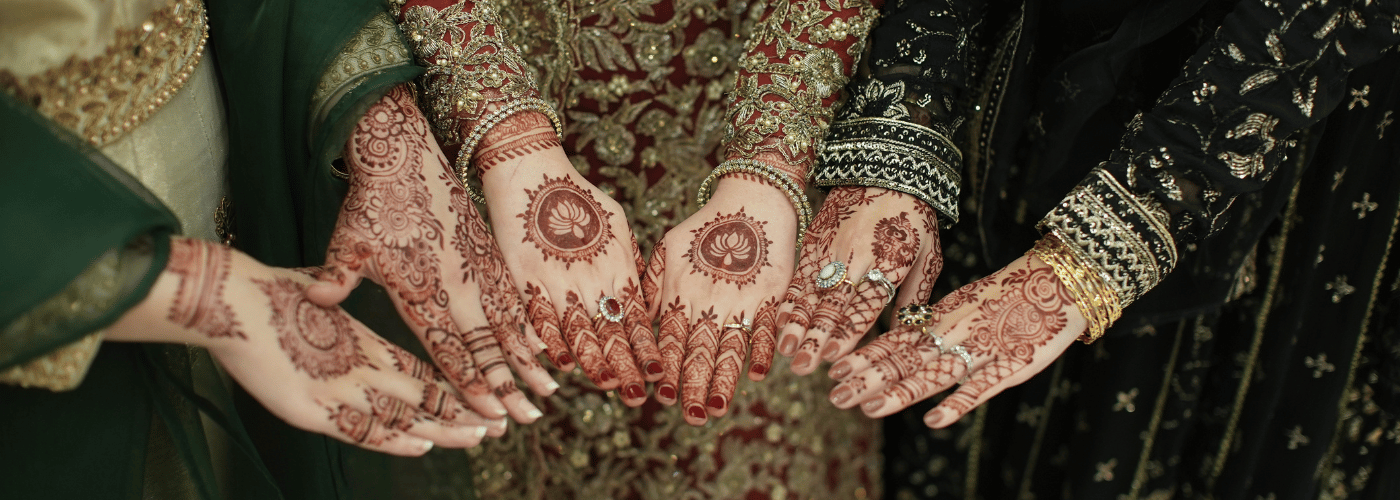
For UK South Asian weddings, editorial style works particularly well for outfit details, jewellery close-ups, henna photography, and couple portraits where the richness of the clothing and decor deserves deliberate, careful framing. Lehengas, sherwanis, and heavily embroidered fabrics photograph significantly better under controlled editorial conditions than in a candid run-and-gun approach.
In film, editorial style means smooth camera movements, considered framing, and sequences that feel premium and composed. The pace is slower and more deliberate than documentary coverage, and the visual quality tends to be very high.
Documentary Style
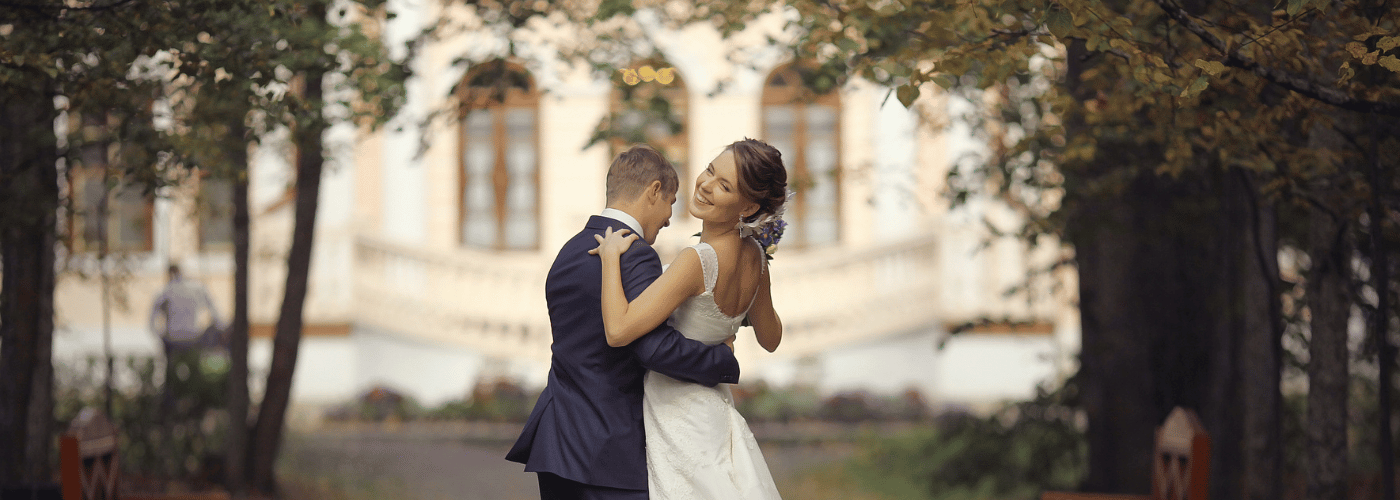
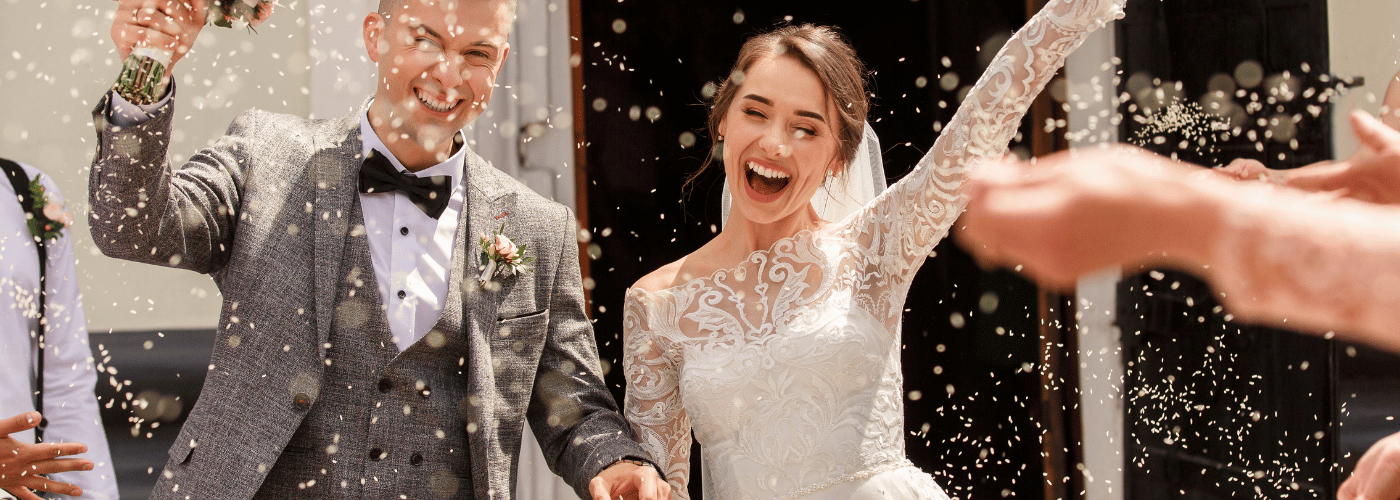
Documentary coverage captures the day exactly as it unfolds. There is no staging, no repeated moments, and no interference from the photographer or videographer. The creative is observing, not directing, and the result is a genuine record of how the event actually felt from the inside.
This style is particularly strong for Nikah ceremonies, where the emotional weight of the moment is best captured without interruption. Family reactions, the couple's expressions during the ceremony, and the interactions between guests that happen naturally throughout the day all benefit from a documentary approach.
In videography, documentary style means continuous filming of real interactions and reactions with natural ambient sound preserved throughout. The result prioritises authenticity over visual polish, and for many couples it produces the footage they return to most.
Very few photographers or videographers work in a single pure style. Most shift between editorial and documentary depending on the moment. The question to ask when viewing a portfolio is not which single style they use, but whether the blend they produce matches what you want from your day.
Traditional Style
Traditional coverage prioritises the shots and sequences that families expect to see and keep. Group portraits, stage photos, key family combinations, and the structured moments that represent the formal record of the event all fall within this style.
At South Asian weddings in the UK, traditional coverage is often the non-negotiable foundation that elders and parents expect. The couple portraits and candid moments can flex based on preference, but the stage photos and family group shots are rarely optional. A photographer who understands this and knows how to move efficiently through a long list of group combinations without losing the pace of the day is worth looking for specifically.
In film, traditional videography typically uses fixed or minimal movement angles to ensure full coverage of key moments without the risk of missing anything by repositioning at the wrong time.
Cinematic Style
Cinematic videography aims to create a film-like atmosphere from the footage of your wedding day. It uses expressive lighting, dramatic compositions, slow motion, gentle zooms, and careful editing to produce a final film that feels atmospheric and emotionally immersive.
The cinematic approach is most visible in highlight films, where the editing rhythm and visual choices work together to build an emotional arc across the length of the film. It is a favourite style for couples who want their final film to feel like something they could watch repeatedly rather than simply a record of what happened.
It is worth noting that cinematic coverage requires more post-production time than other styles. A high-quality cinematic highlight film typically takes longer to deliver than a documentary cut of the same event. Confirm expected delivery timelines when booking.
Candid and Content Creator Style
Candid coverage has always existed within wedding photography, but the emergence of the dedicated wedding content creator has given it its own distinct role. Content creators use a phone to capture the unscripted, behind-the-scenes moments that a professional team with larger equipment cannot access as naturally.
The result is laughter between siblings in a side room, parents seeing the decorated venue for the first time, the small interactions between guests that nobody planned to photograph, and the quiet moments that slip past a formal professional setup entirely. Many UK couples now book a content creator alongside their main photographer and videographer to get complete coverage across all the registers of their day.
Why Hybrid Coverage Usually Works Best
In practice, most couples end up combining styles without always realising it. The day itself contains different types of moments that genuinely suit different approaches, and a good creative team will shift naturally between them as the day moves.
- Traditional coverage for the group portraits, stage shots, and family combinations that elders and parents expect.
- Editorial coverage for couple portraits and the detailed shots of outfits, jewellery, henna, and decor that deserve deliberate framing.
- Documentary coverage for the ceremony itself and the natural moments that define how the day actually felt.
- Cinematic editing for the highlight film, where the visual approach creates an emotional experience from the footage captured.
- Candid content creator coverage for the behind-the-scenes and informal moments that a formal team cannot capture as naturally.
The result is a complete picture of the day across all its registers: the planned, the emotional, the formal, and the small moments that hold the most personal meaning.
A photographer whose portfolio shows outdoor summer weddings may work beautifully in that setting but struggle with the low lighting, dense crowds, and fast pace of a large indoor South Asian reception. Always ask to see portfolio work from events with a similar format, size, and setting to your own.
How to Choose the Style That Fits You
The right visual style is less about what is currently popular and more about what genuinely suits you, your family, and the events you are planning. These questions help narrow it down:
- Do you prefer posed or natural images? If you feel uncomfortable being directed into positions, a more documentary approach will serve you better than editorial.
- What do you want your final film to feel like? A calm and documentary record of the day, or an atmospheric visual film you return to for its emotional quality?
- What is your venue like? Low lighting, large crowds, and high movement favour photographers with strong documentary and traditional skills. Controlled outdoor settings suit editorial work.
- What do your family expect? If group portraits and stage photos are important to elders and parents, confirm these are central to the photographer's approach rather than an afterthought.
- How many events need coverage? A Mehndi, Nikah, and Walima each have a distinct atmosphere. The style that works for one may not be the natural fit for all three.
Final Thoughts
Photography and videography are the part of your wedding budget that outlasts everything else. The venue will be packed away, the food will be eaten, and the decor will be returned or stored. The images and film are what remain. Understanding what you are actually buying when you book a particular style, and whether that style genuinely suits your day, is the clearest way to make a decision you will still be satisfied with years from now.