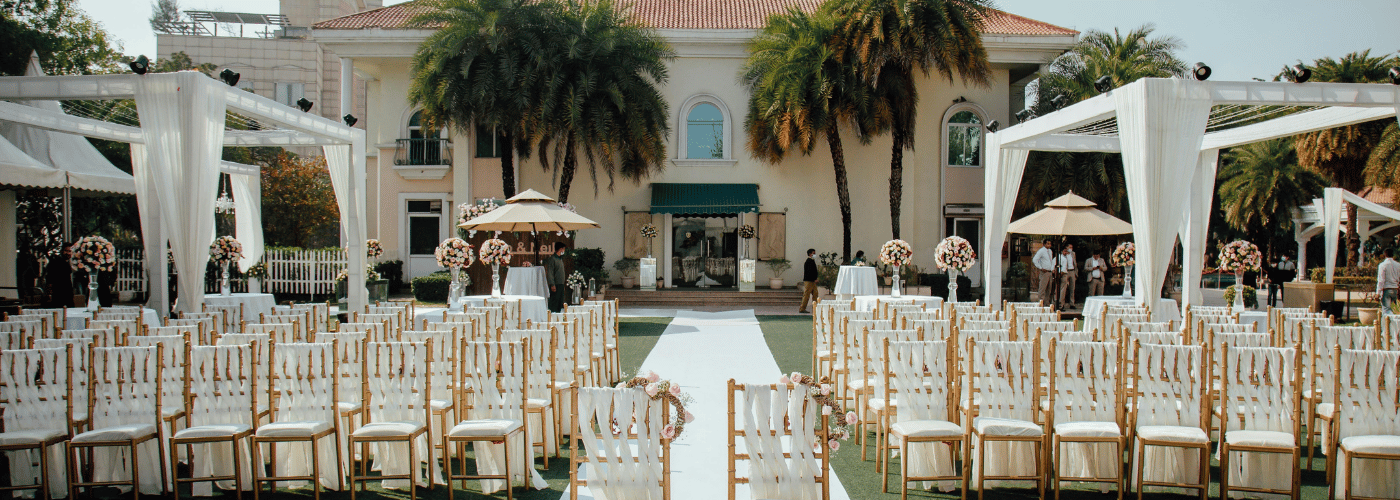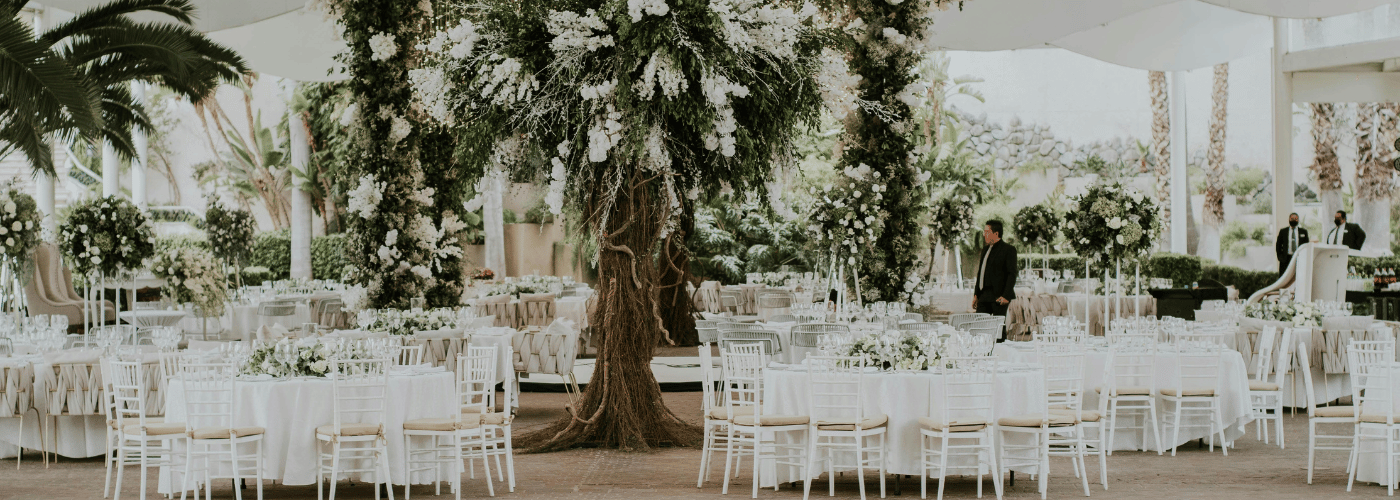
Good budgeting is not about spending as little as possible. It is about spending intentionally on the things that genuinely improve the day and protecting your budget from areas that deliver very little in return. The problem is that wedding planning involves dozens of decisions, and it is not always clear which upgrades actually matter and which ones only look impressive in a brochure.
This guide focuses on five areas where spending a little more consistently delivers real value. Not in a vague, aspirational way, but in terms of reduced risk, better guest experience, and results that last well beyond the day itself.
1) Photography and Videography
When the day is over, your photos and film are the only thing that remains. Every other element of the wedding, the flowers, the decor, the food, exists only in the memories of the people who were there. Your photos and video are what you will look at in ten years. They are what your children will see. A reliable photographer who can handle different lighting conditions, move efficiently through a large multi-event day, and deliver consistent results is worth the extra cost.
Ask to see complete event galleries, not a curated portfolio of the best twelve images from the last five years. A full gallery shows you how a photographer performs when the light is difficult, when guests are not posing, and when the day is moving quickly. Confirm what backup equipment they carry, how files are stored and duplicated, and the agreed delivery timeline for edits.
For South Asian weddings spanning a nikah, mehndi, and reception across multiple days, confirm whether your photographer has experience covering extended multi-event packages and how they manage energy and consistency across long days. This is a different skill set from a single-day wedding.
- Full galleries: Review complete event galleries, not portfolios, so you can judge consistency across a full day in different lighting conditions.
- Delivery in writing: Agree clear deadlines for edited images and video, and confirm what backup systems are in place for equipment and files.
- Low-light capability: Ask specifically how they handle dimly lit evening receptions, which is where the quality difference between photographers is most visible.
2) Catering Quality for Larger Guest Lists
Food is consistently the element guests talk about most after a wedding. With large guest counts, the challenge is not just the quality of the cooking but the operational execution. Can the team serve 300 people hot food within a reasonable window? Are dietary requirements handled calmly and without disruption? Is the staffing level realistic for your headcount?
Spending more on catering at a large wedding is often less about the menu itself and more about experience and infrastructure. A caterer who regularly handles events at your scale will have the right equipment, staff ratios, and service protocols in place. One who is stretching to their capacity limit will show the strain during service, and your guests will notice every minute of a long wait at the buffet.
- Staff ratios: Confirm the number of servers and kitchen staff matches your guest count before signing the catering contract.
- Menu resilience: Choose dishes that hold their quality under bulk preparation and hot-hold conditions, not only ones that taste great at a tasting in a quiet kitchen.
- Service plan: Agree the full service schedule in writing, including how elders and guests with dietary needs will be prioritised during service.
3) Guest Comfort and Accessibility
People remember how it felt to be at your wedding far more than they remember what the centrepieces looked like. Comfortable seating with adequate spacing, sensible room temperature, and clear signage make a bigger difference to the experience than additional decorative elements. These are not glamorous investments, but they are the ones that determine whether your elderly aunts are comfortable for six hours and whether guests with mobility needs feel genuinely included rather than accommodated as an afterthought.
If you are using a marquee or hall with variable temperatures, plan heating and ventilation properly rather than hoping the weather cooperates. Provide clear signage for prayer space, baby-feeding rooms, step-free access routes, and toilets. These are the details that signal to guests that they were genuinely thought of, and that feeling is what people carry home with them.
4) A Realistic Timeline With a Coordinator
A detailed, shared schedule is one of the most useful things you can create for your wedding day. When every vendor knows the run of the day, when family members understand their roles, and when there are built-in buffers around the moments that tend to slip, the entire event runs with a calm that couples who improvise rarely achieve.
A month-of or on-the-day coordinator is worth the investment specifically because they own that timeline on the day. They absorb the logistical questions that would otherwise come to you. They manage the transition from ceremony to reception. They handle the caterer who arrives late or the photographer who needs a specific room cleared. The result is that you actually experience your own wedding rather than managing it.
Whether you use a coordinator or manage the day yourselves, create a single master schedule and share it with every vendor and one trusted family lead. When everyone is working from the same document, small delays stay small. When they are not, small delays cascade.
5) Logistics That Keep the Day Moving
Smooth logistics are one of the most underrated upgrades in wedding planning. Clear parking instructions sent the day before the event. A simple map showing guests exactly where to enter. A plan for group photographs that keeps guests together without turning into a long wait. Water and refreshments available during longer ceremonies. These are small investments that have an outsized effect on how the day feels.
Poor logistics create friction at every stage. Guests arrive at the wrong entrance. Group photo sessions overrun by thirty minutes. Guests standing outside in the cold while the wedding party finishes a receiving line that was not on the schedule. None of these are catastrophic, but they add up to a day that felt chaotic rather than calm. Spending a little time and money on logistics is almost always worth it.
What to Keep Simple
Knowing where to spend more also means knowing where not to. Some elements rarely change the experience for most guests. Overly complex floral installations that require a dedicated team to maintain throughout the day. Large printed signage collections that few guests read beyond the welcome sign. Multiple outfit changes that sound appealing but eat into the time you actually have to be present with the people who came to celebrate with you.
None of these are wrong choices if they genuinely matter to you. The point is not that they have no value, but that they compete for budget with the five areas above, and the five areas above are the ones where guests most consistently notice the difference.
How to Decide Where to Spend
Before upgrading anything, run through four questions. Will most of your guests notice and benefit directly from this? Does it reduce a real risk such as delays, discomfort, or missed moments? Will it still matter after the day, for example in your photographs or in how guests remember the evening? And what are you giving up in your budget to fund it?
If the answer to the first three is yes and the fourth involves trimming something from the what-to-keep-simple list, the upgrade is probably worth it. If the answer to the first two is no, you are likely spending on something that matters more to the planning process than to the actual day. Spend with that clarity, and the day takes care of itself.