Wedding costs add up quickly. Venue, catering, decor, outfits, photography, and all the details in between can take even a well-planned budget further than expected. The good news is that overspending is not the only route to a beautiful, memorable wedding. With the right approach, every major cost area has room to breathe without the end result looking or feeling like a compromise.
These seven strategies are practical, honest, and applicable to weddings of any size, including multi-event South Asian celebrations where the costs across several occasions can compound significantly.
1) Book a Weekday or Off-Peak Date
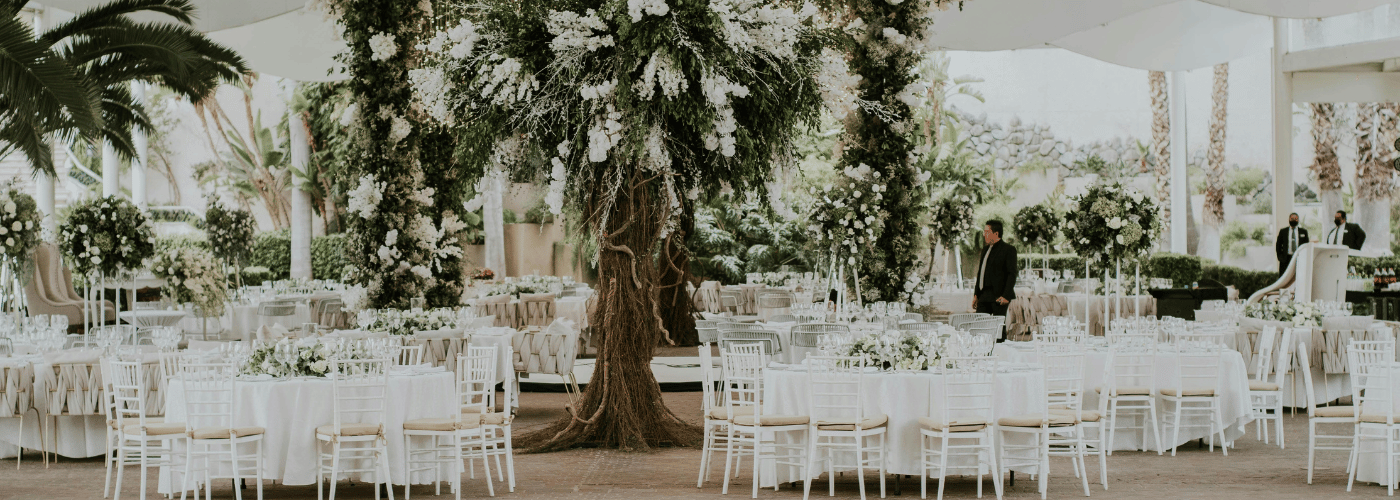
Your venue is usually the single biggest line item in a wedding budget, and most venues price their Saturdays in peak months at a significant premium. Moving your date to a Friday, a Sunday, or a weekday in the quieter months can unlock the same space, the same quality, and often the same vendors at a meaningfully lower rate.
A Thursday wedding in March might sound unconventional, but for guests who genuinely want to be there, the day of the week is not the point. The saving can run into thousands of pounds on the venue hire alone, and that money goes directly back into other parts of the day. If your guests include people who travel long distances, a Friday event also gives them a natural reason to arrive the evening before, which can make the day feel like a proper gathering rather than a rushed single event.
Most venues will share a full pricing breakdown across the year if you ask directly. Comparing a Saturday in July with a Friday in October at the same venue can reveal a gap of hundreds or even thousands of pounds for an identical space and package.
2) Mix Professional Catering With DIY Touches
Catering for a large guest count is one of the non-negotiable professional investments in a wedding. You need experienced staff, commercial equipment, and food safety compliance that a family kitchen simply cannot provide. But professional catering for the main meal does not mean every food element needs to come from the same vendor at full price.
Consider hiring caterers for the main course and then adding your own touches around it. A family-style dessert table assembled from home-made favourites, a simple tea and coffee station set up by family members, or snacks for a mehndi prepared at home all reduce the caterer's scope and the invoice without affecting the quality of the main event. It also adds warmth and personality that a fully catered table often lacks.
3) Reuse Decor Across Multiple Events
For couples planning a nikah, mehndi, reception, and walima, the instinct to have a completely different visual theme for each occasion is understandable but expensive. In practice, well-chosen decor elements can be reused with small adjustments that make each event feel distinct without requiring a full rebuild.
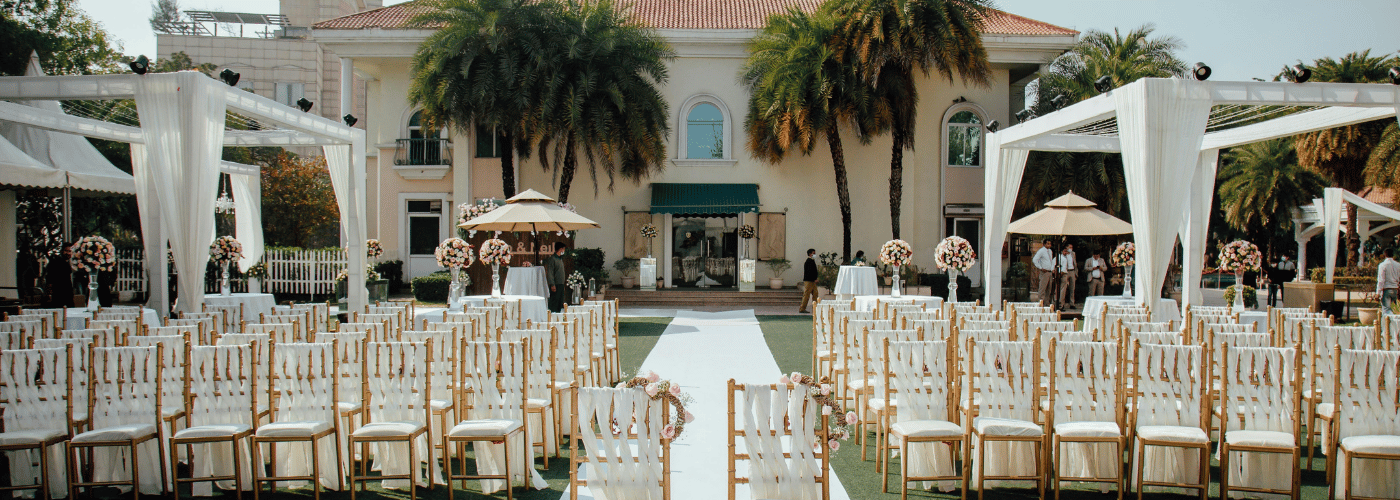
A floral arch from the nikah works beautifully as a photo backdrop at the reception with different dressing around it. Stage panels and fabric draping can shift appearance significantly with changes to lighting and accent colours. Centrepieces that travel well can be refreshed with different flower accents or candle arrangements between events. The structural investment is made once; the variations cost far less.
4) Rent Instead of Buy
Many of the items that make a wedding look polished are used once and then stored indefinitely. Furniture, tableware, glassware, linen, lighting rigs, and even outfits for secondary events can all be rented at a fraction of the purchase cost. Rental also removes the logistical problem of storage, transport, and resale afterwards.
For outfits in particular, renting for the walima or a second reception event rather than buying another full outfit can save several hundred pounds without any visible difference to the guest. The priority outfit, the one worn for the main ceremony, is worth purchasing and keeping. The occasions around it are strong candidates for rental.
5) Scale the Guest List Strategically
Every additional guest adds cost across catering, seating, venue size, and favours. The most effective way to manage this is not to reduce your total guest count dramatically, which can create family tension, but to be intentional about which guests attend which events.
Invite your wider circle to a larger reception or walima where the format naturally accommodates higher numbers. Keep the nikah or mehndi closer to immediate family and the people whose presence genuinely matters to the intimate atmosphere of those occasions. This approach means no one feels excluded from the celebration, but the smaller events remain manageable in cost and feel. It is also more respectful of what each occasion is meant to be.
Reducing your guest count by 20 people typically saves money across catering, chairs, favours, and venue capacity requirements simultaneously. It is the single change with the widest effect on total cost, and it does not require compromising on quality anywhere else.
6) Embrace DIY for Favours and Personal Details
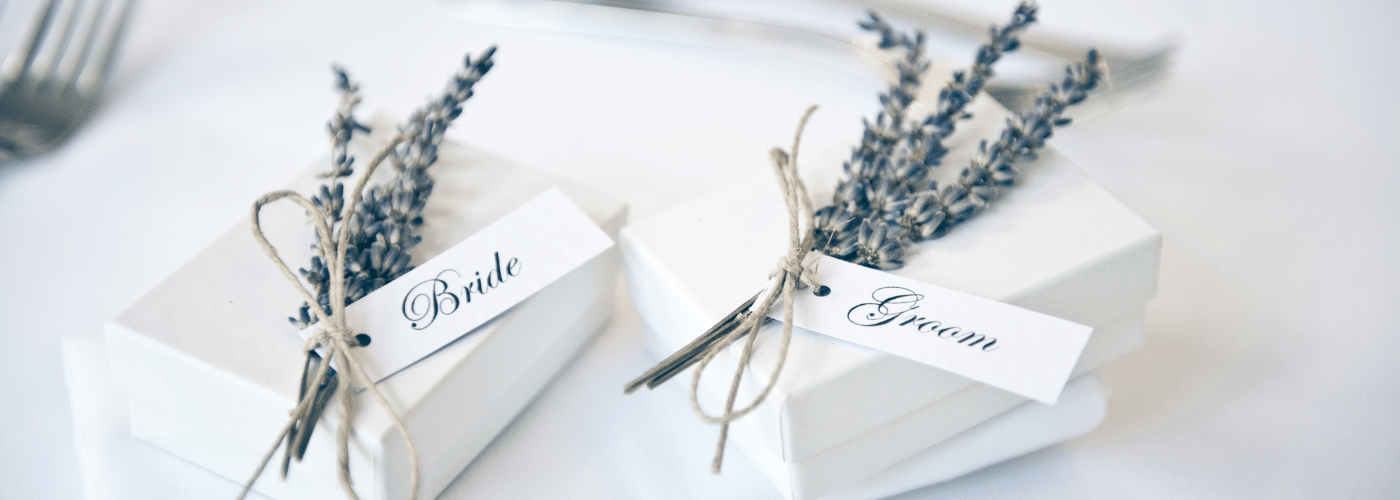
Wedding favours, gift packaging, place cards, table name holders, welcome signage, and order-of-events boards are all areas where the cost can mount up quickly when purchased as finished products. They are also areas where a DIY approach delivers results that are often more personal, better received by guests, and significantly cheaper.
Handmade favours, personalised food packaging, hand-lettered signage, and printed stationery produced through an online template service all photograph well and feel considered. Guests appreciate the evidence that thought went into the details. The key is to start these projects early, at least six to eight weeks before the event, so the work is spread across time rather than compressed into the final days when stress is already high.
7) Plan Ahead: The Most Powerful Money Saver of All
Every strategy above works better with time. Couples who begin planning twelve or more months in advance consistently spend less than those who start later, not because they are more disciplined, but because they have access to options that close-range planning does not allow. Vendors who are booked far in advance may offer better rates before their peak season fills. Seasonal sales and discount periods can be used deliberately. Decisions are made from a position of choice rather than necessity.
Last-minute planning is expensive. When a date is close and choices are limited, you pay whatever is available rather than what is reasonable. The panic premium on late bookings across catering, decor, and photography is real and avoidable with a modest lead time.
- Seasonal sales: Fabric, stationery, decor items, and accessories are all subject to seasonal pricing. Planning ahead lets you buy at the right time rather than the nearest available moment.
- Early vendor rates: Many vendors offer better rates to couples who book well in advance, particularly for dates that would otherwise sit at lower demand.
- Avoiding panic spending: When planning is spread over a longer period, each decision gets proper consideration. Rushed decisions made close to the date almost always cost more and deliver less.
A wedding does not need to drain your savings to feel special. These seven strategies taken together give you a framework for making intentional choices at every stage. The couples who spend well are rarely the ones with the largest budgets. They are the ones who planned early, reused what they could, involved family where it made sense, and spent their money on the parts that guests would actually notice and remember.