Trying to run a full wedding without professional vendors is a recipe for stress. You cannot cook for 200 people, dress a marquee, manage sound and lighting, and still expect to be present for any of it. That is why vendors exist. They bring skill, experience, and operational capacity to tasks that simply cannot be done well under pressure, on the day, without the right equipment and team behind them.
But weddings are expensive. Even with a generous budget, the instinct to add personal touches that no vendor could ever replicate is a real one. That is exactly where DIY earns its place. Not as a replacement for the professionals, but as the layer on top that makes a well-run event feel genuinely personal. The combination, done right, is almost always better than either approach alone.
Why Vendors Are Non-Negotiable in Key Areas
There are areas of a wedding where professionals are worth every penny, not as a luxury but as a practical necessity. Food is the clearest example. Catering for 200 or more guests requires commercial equipment, trained staff, food safety compliance, and the logistical capacity to serve everyone hot food within a manageable window. A family working from domestic kitchen space simply cannot achieve that, and the stress of attempting it falls on people who should be celebrating, not cooking.
Photography and videography sit in the same category. You get one opportunity to capture the moments of the day. A photographer who knows how to read light, move efficiently through a busy venue, and deliver consistent results across a ten-hour event is providing something that cannot be replicated after the fact. A well-meaning family member with a good camera can take some lovely pictures, but that is not the same as professional coverage of the moments that matter.
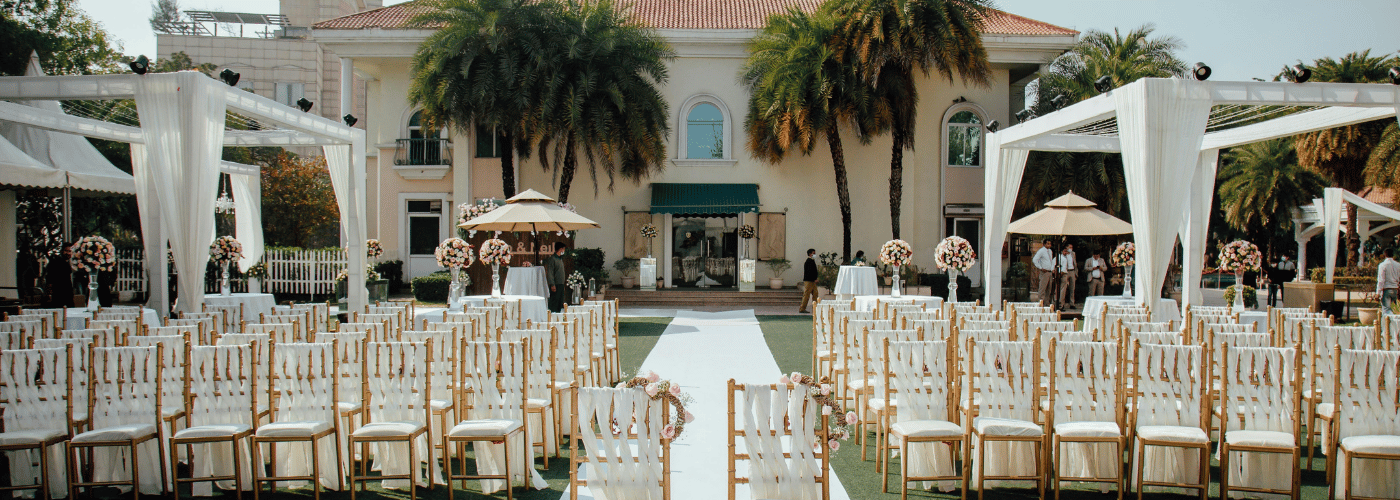
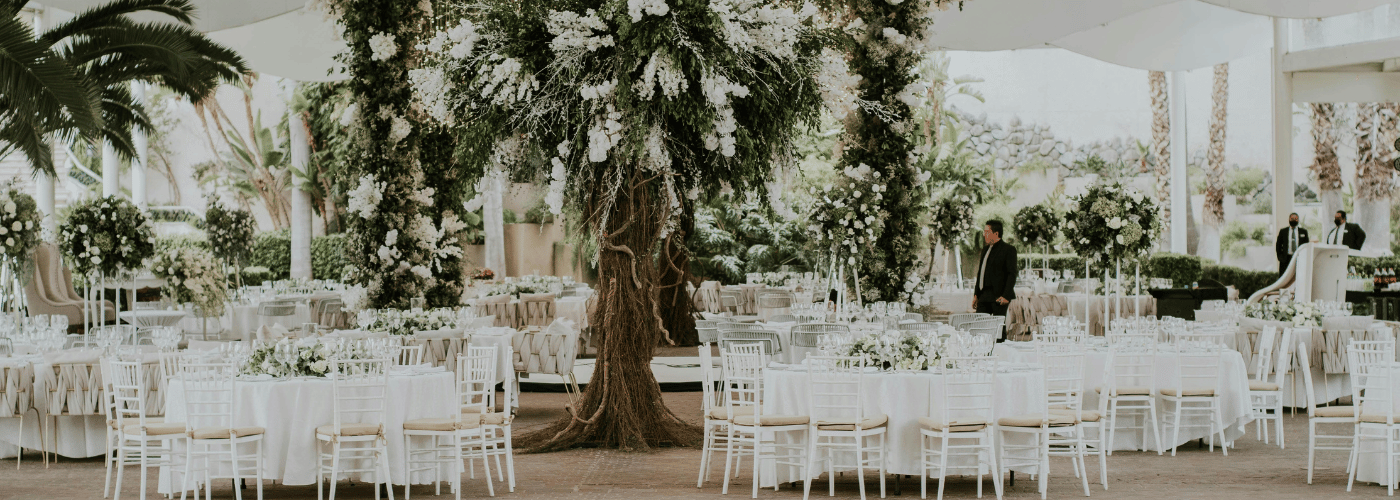
Venue setup and decor infrastructure fall into this category too, particularly for larger events. Dressing a marquee or a hall to a high standard involves rigging, heavy equipment, timed delivery, and a team with the experience to troubleshoot problems quickly when something does not go to plan. Attempting this without professional support creates risk on a day when the margin for error is very low.
Before allocating any budget to DIY elements, confirm that catering, photography, and venue setup are fully covered by professionals with signed contracts. These are the areas where a problem on the day cannot be fixed. Everything else can be built around them.
Where DIY Makes Sense
Once the professional foundation is in place, DIY comes into its own. Done thoughtfully, it saves money, adds a layer of personality that vendors cannot replicate, and creates moments during the planning process that involve family and make the event feel genuinely yours. The key is choosing DIY projects that enhance what the professionals are already delivering rather than competing with them.
- Décor accents: Your vendor handles the main setup, stage draping, centrepieces, and lighting. You add your own handmade signs, personalised table cards, dried flower arrangements, or fabric-draped details that reflect your specific taste.
- Food additions: The caterer serves the main meal to your guest count. You complement it with a DIY dessert station made up of family favourites, a sweet table assembled by relatives, or labelled snack boxes for guests to take home.
- Gifts and favours: Vendors supply the infrastructure and the event essentials. You create customised favours, handwritten notes, or gift packaging that reflects your family's personality and the specific occasion.
- Mehndi event decor: For South Asian weddings, the mehndi is often a more relaxed, family-led occasion where DIY decor fits the tone perfectly. Fabric backdrops, handmade floral arrangements, and personalised signage are all manageable DIY projects that photograph beautifully.
- Personalised stationery: Welcome signage, order-of-events boards, menu cards, and table name holders are all items that couples with basic design tools can produce to a high standard without specialist vendor involvement.
Stretching Your Budget Creatively
The most effective approach is to book the professional base package that covers the structural requirements of your event, then use DIY to elevate it to the level you originally imagined. You might not be able to afford the premium decor package for your venue, but you can book the standard setup and then add your own carefully chosen elements on top. The result looks considered and complete, because the professional foundation means nothing looks unfinished.
This approach works particularly well for couples with limited budgets and longer planning timelines. A DIY project started three months before the wedding is a creative activity. The same project started three days before is a source of real stress. The difference is entirely in when you begin and how realistic you are about what you can complete to a standard you will be happy with on the day.
The most common DIY mistake is underestimating how long projects take. Anything that requires drying time, assembly, or multiple stages needs to be started weeks in advance. Build your DIY list at the start of planning, not the end.
The Balance Between Time and Money
The real skill in mixing DIY with professional vendors is knowing your own capacity honestly. Time is as finite as money, and some DIY projects look simple on social media but require days of preparation to execute properly at wedding scale. If you are working full time, managing family commitments, and planning a multi-event wedding, the number of hours available for DIY projects in the final weeks is much smaller than most couples initially expect.
A practical rule of thumb that helps clarify where to draw the line:
- Book a vendor: If it directly affects the running of the event, food service, sound and lighting, photography, marquee or venue setup, the consequences of it going wrong are too high to manage through DIY.
- DIY it: If it enhances the atmosphere, favours, signage, accent decor, personalised stationery, the time investment is manageable and the personal touch adds genuine value.
- Delegate it: If a family member has a specific skill, calligraphy, cake decoration, flower arranging, involving them meaningfully reduces both cost and the workload falling on the couple.
Getting the Mix Right Across Multiple Events
For South Asian weddings spanning several events, the DIY-versus-vendor balance can be calibrated differently for each occasion. A large reception with 300 guests requires a full professional team for catering, decor, and coverage. A more intimate mehndi gathering with close family can absorb significantly more DIY involvement without the event suffering. Recognising which events need the full professional infrastructure and which can carry a higher proportion of personal touches is one of the more effective ways to manage a multi-event budget without reducing overall quality.
The result of getting this balance right is a set of events that each feel distinct. The reception feels polished and well-run. The mehndi feels warm and made by the people who love you. Each occasion has its own character, and that difference comes from making intentional choices about where the professionals lead and where the family steps in.
Why the Combination Works Best
A wedding delivered entirely by vendors can feel polished but occasionally impersonal. A wedding attempted entirely through DIY can feel personal but often chaotic, particularly when the scale grows. The sweet spot is the combination. Vendors handle the heavy lifting that requires skill, equipment, and experience. DIY adds the unique details that no professional could replicate, because they come from you, your family, and your specific history.
The result is a wedding that feels both seamlessly run and genuinely personal. Not every couple will draw the line in exactly the same place, and that is fine. The framework is not prescriptive. It is simply a way of thinking about each element clearly before you commit time and money to it. Plan the professional layer first, then build the personal layer on top, and the day takes care of itself.