The venue that made a stunning summer wedding look effortless can be a completely different experience in December. Gardens become muddy. Outdoor ceremony spaces become unusable. The terrace that anchored the drinks reception is dark and cold by 4pm. A venue that relies on natural light and outdoor space for its character has lost half its value proposition the moment the clocks go back. Choosing a winter wedding venue in the UK requires a different set of criteria from a summer one, and most couples viewing venues in autumn or winter are still evaluating them against summer standards. This guide tells you exactly what to look for, what venue types perform best across the cold months, and the questions to ask before you commit.
The Fundamental Shift in What Makes a Good Winter Venue
Summer venues are evaluated primarily on their outdoor qualities: gardens, light, setting, and the physical beauty of the space in natural daylight. Winter venues need to be evaluated almost entirely on their indoor qualities, because that is where your guests will spend the vast majority of the day and where the photographs that matter will be taken.
This sounds obvious, but it is not how most venue viewings go. Couples touring a venue in October often still spend the most time in the garden and the least time asking about the heating system, the lighting flexibility, and the cloakroom capacity. Those are the questions that determine whether a winter wedding at that venue is a genuinely outstanding experience or one guests described as slightly uncomfortable.
The mental model shift is this: stop evaluating venues by what they look like at noon in summer photography. Evaluate them by what they will look and feel like at 7pm on a cold November evening with 250 guests inside and darkness beyond the windows. That version of the venue is the one your guests will actually experience.
If you are planning a November or December wedding, view prospective venues in October or November rather than in spring or summer. You will see exactly what the space feels like in the conditions your guests will experience. A venue that looks magical in July looks very different at 6pm in November.
The Venue Types That Excel in Winter
Banqueting halls and community halls
For South Asian families planning a Nikah or Walima, a well-run banqueting or community hall is the strongest venue category for winter. These spaces are designed to function primarily indoors, their appeal comes from their capacity, their practical infrastructure, and their flexibility rather than from outdoor features that winter eliminates. A banqueting hall in Birmingham, Manchester, or Bradford that has hosted hundreds of South Asian events knows exactly how to operate in winter conditions, its heating system is designed for full occupancy, its lighting can be configured for evening events, and its management has dealt with every winter-specific logistical situation before.
The additional winter advantage for banqueting halls is cost. Many in the UK's major South Asian community hubs offer reduced winter rates that make a January or February date significantly more affordable than the same space in July or August. For a family whose primary concern is feeding guests generously in a warm, well-run space, a good banqueting hall in winter is almost impossible to beat on value.
Hotels with function rooms
Hotels are arguably better winter wedding venues than summer ones. They solve three winter-specific problems simultaneously: warmth (hotels maintain consistent internal temperatures as a baseline operational requirement), cloakroom (hotels have coat check infrastructure as standard), and guest accommodation (out-of-town guests staying the night do not have to navigate dark, cold travel after a long event). A hotel whose function room is available at a reduced winter rate, whose catering meets halal requirements, and whose on-site accommodation suits your guests' needs is one of the most complete winter wedding solutions available.
The key consideration remains halal certification. Confirm in writing that the hotel's catering can be fully halal across all food served at the event, not just the main course. Hotels with experience hosting South Asian and Muslim weddings will have this sorted. Those without that experience need to be asked specifically and the confirmation needs to be in the contract.
Converted industrial spaces and dry-hire venues
Converted warehouses, mills, and industrial spaces have become increasingly popular across the UK wedding market, and they translate particularly well to winter. Their structural character, exposed brick, steel beams, high ceilings, and large internal footprints, creates an interior aesthetic that is genuinely striking with the right lighting. Candlelight and warm uplighting in a high-ceilinged converted space produces a cinematic atmosphere that feels specifically designed for winter rather than a compromise against it.
The critical question for converted spaces is heating. Industrial buildings were not originally designed for human comfort and their retrofitted heating systems vary significantly in quality and capacity. Ask specifically how long the space takes to heat to a comfortable temperature from cold, what happens if the heating fails, and whether the system can maintain that temperature with the volume of people and catering equipment your event will involve. Get the answers in writing as part of the venue agreement.
Intimate private dining rooms and restaurant spaces
For smaller Nikah ceremonies or family-only celebrations, a private dining room at a quality restaurant is one of the most underused winter venue options in the UK. These spaces are inherently warm, beautifully lit, set up for food service as their primary purpose, and often available at rates that make them genuinely competitive with larger hired spaces for smaller guest counts. For a Nikah of 30 to 80 guests followed by a meal, a private dining room at a halal restaurant or hotel with a halal menu creates an intimacy and quality that a larger venue cannot replicate at the same scale.
Marquees: with significant caveats
Marquees in winter deserve a direct and honest treatment. A properly specified winter marquee, fully lined, heated with industrial heating units, floored, with a covered entrance and appropriate power infrastructure, is a genuine option for a winter wedding. It can look extraordinary and it solves the capacity problem for large guest lists that do not fit within an existing building.
The caveats are real. A winter marquee costs significantly more to specify correctly than a summer one. The heating alone for a large marquee in December adds several hundred pounds to the event cost. An underspecified winter marquee, one that is lightly lined and inadequately heated, is one of the most miserable guest experiences a wedding can produce. If you are considering a marquee for a winter event, budget for the full winter specification rather than the summer equivalent, and get a detailed breakdown of heating provision before you commit.
The Five Non-Negotiable Winter Venue Criteria
When viewing any venue for a winter wedding, these five criteria are non-negotiable. A venue that cannot satisfy all five clearly and in writing is not suitable for a winter event regardless of how beautiful it is.
1. Heating that works at full occupancy
The venue must be able to maintain a comfortable ambient temperature with your full guest count present and the catering operation running. Ask what the heating system is, how long it takes to bring the space to temperature from cold, and what backup provision exists if there is a heating failure. A venue that responds vaguely to this question does not have a confident answer, which is itself a concerning signal.
2. Flexible, warm artificial lighting
The venue must have the ability to create a warm, atmospheric environment with artificial light alone, because that is what your event will be running on from mid-afternoon through to the end of the evening. Ask about the lighting control system, whether uplighting or external lighting rigs can be brought in, and whether candles are permitted. View the space with its evening lighting configuration active rather than under daytime conditions.
3. A covered arrival and departure area
Every guest at your winter wedding will arrive in outdoor clothing in cold weather and will leave in the dark. A covered entrance, a portico, or the ability to position a temporary canopy protects the arrival experience and the departure moment. Without this, every guest's first and last impression of the venue is shaped by navigating darkness and cold, which is a poor frame around an otherwise excellent event.
4. Adequate cloakroom facilities
Winter guests arrive in coats, scarves, and often boots. A venue with no cloakroom or an inadequate one results in coats piled on chairs, hung over railings, and stacked in corridors throughout the event. This is a purely practical problem but it affects the visual quality of the space for the entire event and the comfort of guests who cannot find their belongings at the end of the night. Ask specifically about cloakroom capacity relative to your guest count before committing.
5. Car park condition and lighting
A summer car park is just a car park. A winter car park at 10pm is dark, potentially wet or icy, and the last thing guests experience before they go home. Ask about the car park surface, whether it is lit adequately in the evening, and whether there is a gritted path to the entrance. For large events, whether the car park has adequate capacity for your full guest count without overflow onto public roads also matters significantly more in winter when guests are less willing to park and walk a distance.
What is the venue's cancellation or contingency policy if extreme winter weather prevents access on the day? Snow, ice, or flooding can close roads and prevent both guests and vendors from reaching the venue. A venue with a clear written policy for this scenario is demonstrating that it has thought through the winter-specific risks you are taking on. One without a policy has not.
Venue Types to Approach With Caution in Winter
Just as some venue types excel in winter, others carry genuine risks that are worth understanding before you view them.
Garden venues and rural estates
The appeal of a rural estate or country house venue in summer, when the gardens, the parkland, and the exterior features are at their best, is obvious. In winter, much of that appeal disappears. The grounds become impractical, the driveway may be affected by weather, and access for large numbers of guests in cold conditions becomes a logistical consideration. A country house whose interior is genuinely beautiful and well-equipped for winter events can still be an excellent choice. One whose appeal is primarily outdoor will deliver a significantly diminished experience in the cold months.
Barn venues
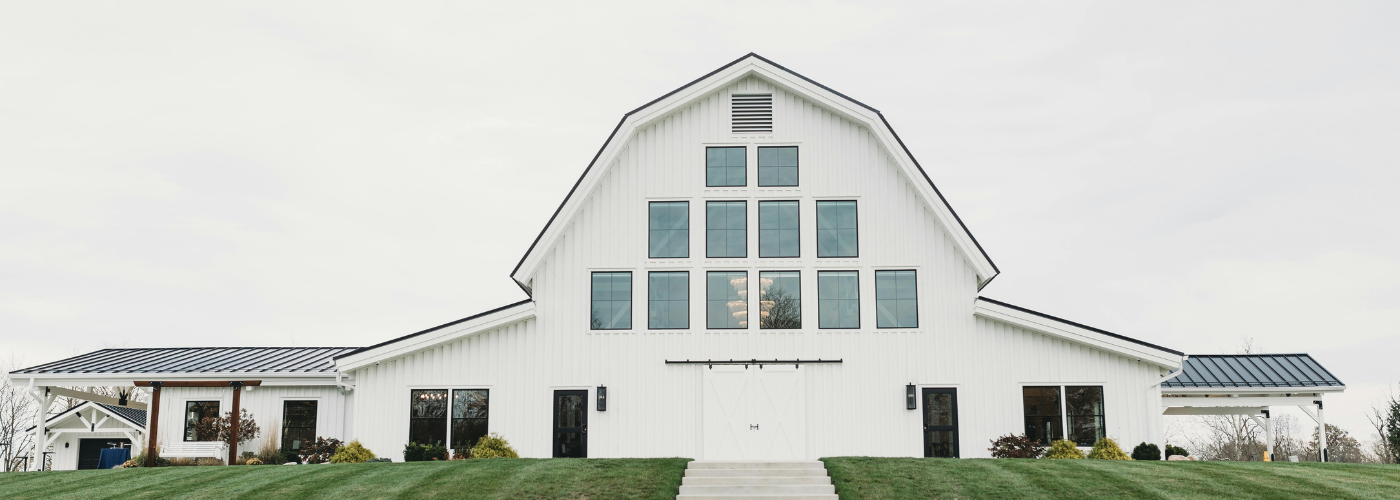
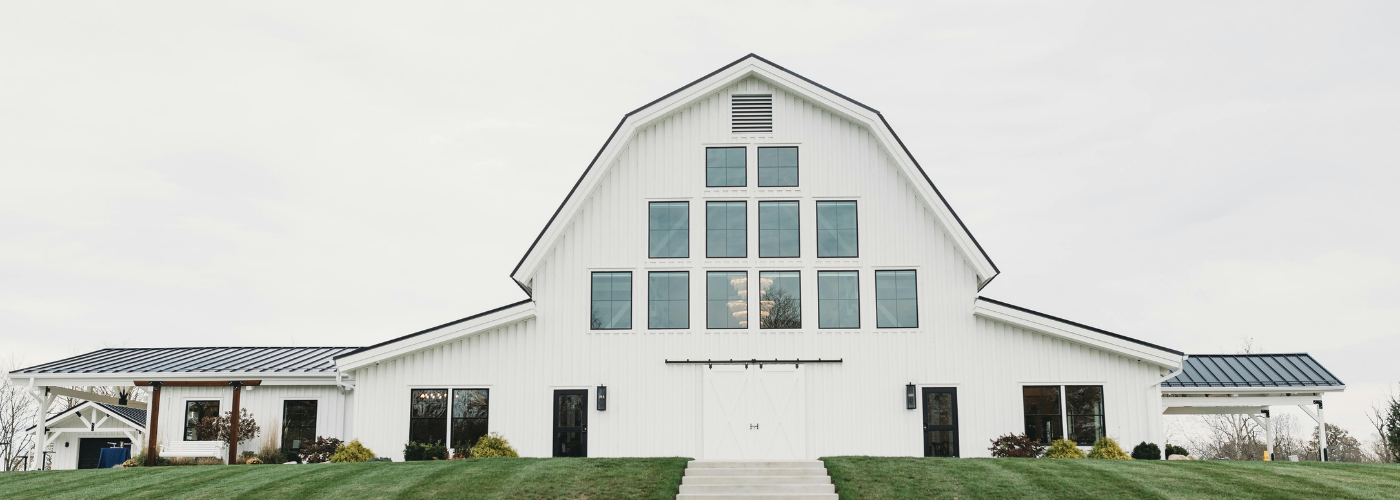
Barn venues are one of the most popular wedding venue categories in the UK and they vary more widely in winter suitability than almost any other type. A converted barn with proper insulation, a reliable heating system, and enclosed sides is a beautiful winter venue. An agricultural-style barn with minimal insulation, stone floors, and an underpowered heating system is genuinely cold and uncomfortable regardless of how attractive the exposed timber and stone aesthetic is in the photographs. Ask the specific heating questions before viewing.
Outdoor ceremony spaces
Any venue whose primary ceremony space is outdoors is not suitable for a winter Nikah or celebration without a fully enclosed and heated alternative. This seems obvious but couples regularly book venues with outdoor ceremony features and then discover in autumn that the outdoor space cannot be used and the indoor alternative is significantly less impressive. Confirm indoor-only functionality before any viewing if you are planning a winter date.
Specific Considerations for South Asian and Muslim Winter Weddings
Beyond the general winter venue criteria, a handful of venue considerations are specific to South Asian and Muslim wedding formats that most venue guides do not address.
Scale capacity for multi-event programmes
A South Asian wedding programme involving a Mehndi, Nikah, and Walima across separate days may require the same venue for multiple events or different venues for different occasions. Confirm that any venue being considered can accommodate the format of the specific event it is hosting, the Mehndi's informal layout with henna stations, the Nikah's ceremony configuration, or the Walima's scale, rather than assessing a single general capacity against all three.
Prayer space as a winter-specific priority
In summer, a shaded outdoor space can serve as an improvised prayer area. In winter, it cannot. Any venue hosting a Muslim wedding event that spans prayer times needs a dedicated indoor room available for Salah. In the shorter winter day, Dhuhr, Asr, and Maghrib can all fall within the span of a single evening event, making this a practical necessity rather than a preference. Confirm the room, its heating, and its availability throughout the event before booking.
Halal catering in the winter market
Winter is when some independent halal caterers reduce their operating schedules or take breaks between peak seasons. When booking a winter Walima, confirm your caterer's availability explicitly for your specific date rather than assuming that a summer booking automatically carries over to winter availability. The caterers who operate year-round are worth noting and prioritising for winter dates specifically.
The Questions to Ask Every Winter Venue Before You Book
Bring this list to every winter venue viewing and ask every question before you leave. The answers, and the confidence with which they are given, will tell you more about the venue's winter suitability than anything you observe during the tour.
- What is your heating system and how long does it take to bring this space to a comfortable temperature from cold?
- What backup provision do you have if the heating fails on the day of the event?
- Can we view the space with the evening lighting configuration active?
- What is the cloakroom capacity and how is it staffed?
- What is the car park surface and lighting like after dark?
- Is there a covered area for guest arrivals and departures?
- What is your policy if extreme winter weather prevents access on the event day?
- Do you permit external catering and have you hosted halal-catered events before?
- Is there an indoor space that can be used as a prayer room throughout the event?
- Do you have experience hosting South Asian multi-event programmes in winter?
A venue that answers every one of these questions confidently and in specific detail is a venue that knows its winter product. One that hesitates, deflects, or gives vague answers to two or more is one to approach cautiously regardless of how impressive the main hall looks.
Final Thoughts
The best UK wedding venue for a winter wedding is not necessarily the most beautiful one you visit. It is the one whose indoor environment performs at its best precisely when the outdoor conditions are at their worst. Warmth, lighting, a covered arrival, good cloakroom provision, and management that has navigated a UK winter before: those are the qualities that determine whether 250 guests leave your wedding talking about how beautiful it was or how cold it was.
View venues in autumn or winter conditions. Ask the heating questions first. Prioritise indoor quality over outdoor promise. And get every winter-specific assurance in writing before you pay a deposit. The venue that can answer every question on this list with confidence is the one worth booking.