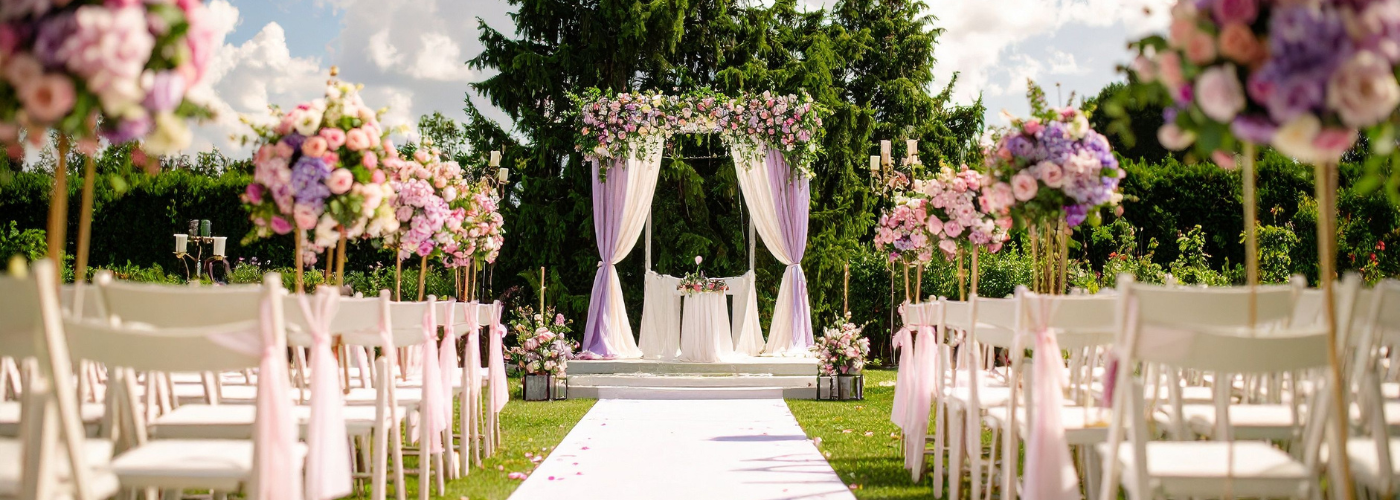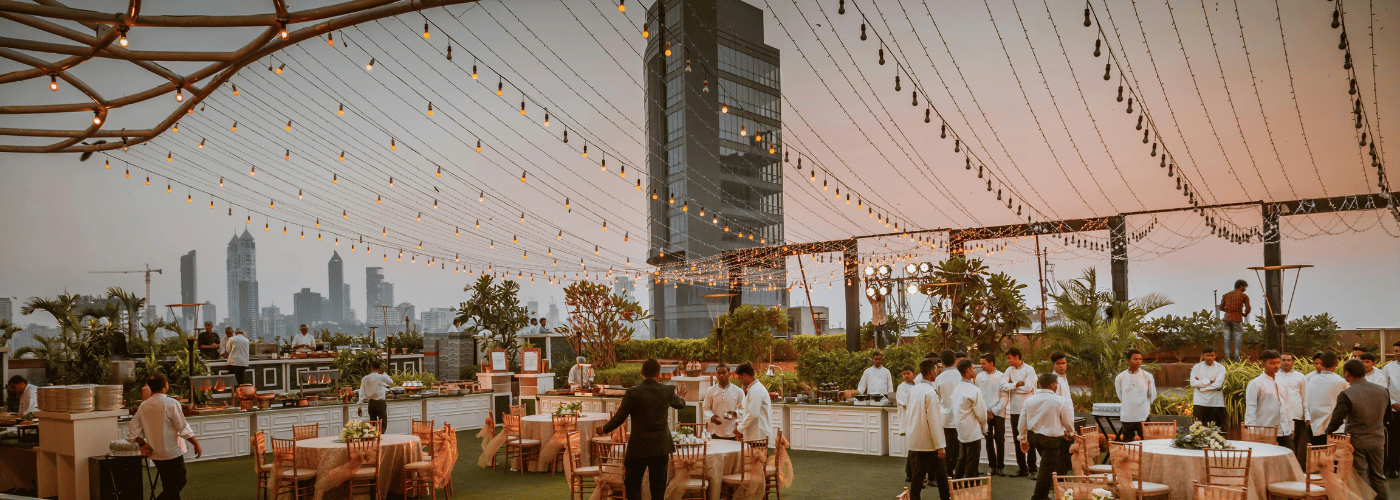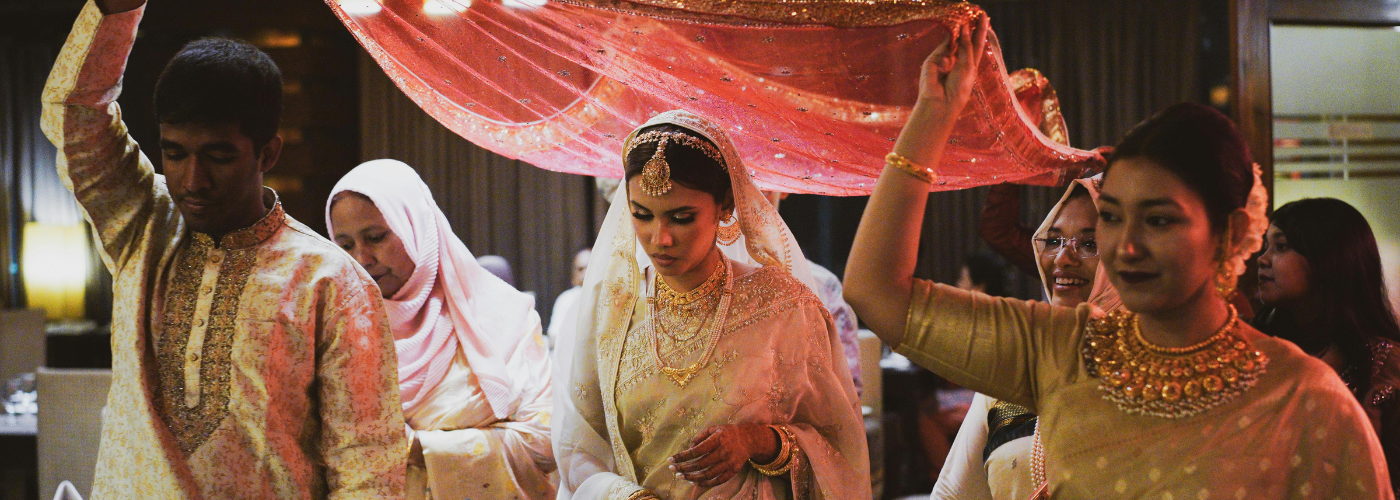
A South Asian wedding in the UK is not a single event. It is a series of celebrations, each with its own guest list, its own vendors, its own dress code, and its own emotional weight. For most couples and their families, the planning window spans 12 to 18 months, the budget runs well above the national average, and the logistics involve coordinating caterers, venues, henna artists, stage setups, photographers, and outfits across two, three, or even four separate occasions. This guide exists to make that process clearer. Not to simplify what is genuinely complex, but to give you a complete picture of everything involved so that no part of the planning takes you by surprise.
Understanding the Events: What You Are Actually Planning
The first thing to get right is clarity on which events you are hosting and what each one requires. South Asian weddings in the UK most commonly involve three core celebrations: the Mehndi, the Nikah, and the Walima. Some couples also host a separate Dholki, an engagement party, or a post-wedding gathering depending on family tradition. Each event is distinct in its purpose, its formality, and its planning requirements.
The Mehndi
The Mehndi is typically the most vibrant and informal of the three events. It centres on the application of henna to the bride and often the female guests, and it usually takes place one or two days before the Nikah. In terms of planning, you will need a venue (which is often a family home, a hired hall, or a garden marquee), a henna artist or a team of them depending on the scale, catering that suits the relaxed atmosphere, some form of decoration, and photography if you want the day documented. Decor for Mehndi events tends to lean colourful: marigold garlands, vibrant backdrops, floor cushions, and warm lighting are all common. Some families incorporate a small dholki element with traditional percussion instruments, keeping it culturally grounded and joyful.
The Nikah
The Nikah is the Islamic marriage ceremony and is the most significant event from a religious perspective. It can take place at a mosque, a licensed venue, or a private space, and it requires the presence of a qualified officiant (an Imam), two witnesses, and agreement on the mahr (the gift from groom to bride). The Nikah ceremony itself can be brief, but the surrounding celebration often includes a formal meal, speeches or recitations, photography, and a stage setup for the couple. For Muslim couples in the UK, it is worth confirming whether your chosen venue is licensed to conduct legally recognised marriages, or whether a separate civil registration is needed. Many couples opt for the civil registration at a registry office beforehand and treat the Nikah as the main spiritual and family occasion.
The Walima
The Walima is the post-Nikah celebration hosted by the groom's family to announce and celebrate the marriage. It is a Sunnah act and carries significant importance culturally and religiously. In practice, the Walima is often the largest of the three events in terms of guest count, catering scale, and formality. A venue with capacity for 200 to 400 guests is common. Catering is typically the single largest spend at the Walima. The couple usually has a stage or backdrop for greeting guests and capturing formal photographs.
Budget, vendor list, guest list, and payment schedule should all be tracked per event rather than as a single combined figure. When everything is in one pot, costs become invisible until they are already committed.
Building Your Budget: How the Numbers Actually Work
The most common financial mistake in South Asian wedding planning is setting a single total budget without breaking it down by event. A couple agrees on £25,000, books a Walima venue for £8,000, and suddenly realises there is £17,000 left to cover catering for 300 guests, two more events, three sets of outfits, photography across multiple days, henna, stage setup, and everything else. The numbers only work when each event has its own ceiling.
As a rough framework, the Mehndi typically accounts for 15 to 20% of the total budget. It is the most flexible event and the one where DIY elements, home venues, and informal catering have the most impact on cost. The Nikah and Walima together take the remaining 80 to 85%, with the Walima usually being the heavier spend due to guest numbers and the formality of catering.
Within each event, the category split follows the same logic as any UK wedding: venue is the largest single line item (25 to 35%), catering follows (20 to 30%), and everything else sits within the remaining budget. The difference with South Asian weddings is that these percentages apply across multiple events, which is why the total spend is reliably higher than the national average.
Where the hidden costs appear
There are several costs that consistently catch South Asian families off guard because they sit outside the obvious vendor categories.
- Outfit costs across all events. A bride attending three events will typically have three separate outfits. For all three, including jewellery, alterations, and accessories, it is common to spend between £3,000 and £8,000 depending on the designers and the detail involved.
- Stage and backdrop setup. Stage setup for the Nikah and Walima is often quoted separately from venue hire and decor. A well-executed stage can cost anywhere from £800 to £4,000 depending on size, flowers, and lighting.
- Henna artist costs. For a full bridal henna design covering both arms and feet, expect to pay between £200 and £600 depending on the artist and complexity. If you want guest henna at the Mehndi, add the cost of additional artists.
- Photography across multiple days. Separate photographers or extended coverage for three events significantly increases the photography budget. Full multi-day coverage from a quality team starts at around £3,000 and can reach £7,000 or more.
- Vendor meals and overtime. Your contracts will specify whether you are required to provide vendor meals. On a three-day celebration with a team of vendors, this adds several hundred pounds. Overtime charges from venues and caterers can double that.
The Vendor Categories You Need to Fill
South Asian weddings draw on a wider range of vendor types than most mainstream UK weddings. The following categories are the ones to address early, because availability tightens significantly in the 6 to 9 months before peak season.
Venue
Each event may require a different type of space. The Mehndi is often hosted at home or in a local hall. The Nikah may be at a mosque, a licensed venue, or a beautifully decorated private space. The Walima typically requires a larger formal venue: a banqueting hall, a hotel, or a dry-hire space with catering brought in. In the UK, cities including Birmingham, London, Manchester, Leicester, and Bradford have the strongest concentration of venues experienced with South Asian weddings. If you are looking outside these cities, check that your preferred venue is familiar with the dietary requirements, the timing of events, and the setup needs of South Asian celebrations before you commit.
Catering
Halal catering is non-negotiable for Muslim families, which means your shortlist of caterers begins with those who can confirm full halal certification. Beyond that, the key decisions are format (buffet versus sit-down), whether the caterer also provides staffing, crockery, and serving equipment, and how per-head costs stack up against your guest count. For 300 guests across multiple events, catering alone can reach £15,000 to £25,000. Getting multiple quotes and being clear about exactly what is included in each one is essential before you commit.
Photography and Videography
For South Asian weddings, a photographer who has worked extensively with these events is a meaningful advantage over a generalist. They will know the key moments to anticipate at a Nikah, the natural chaos of a Mehndi, and the formal structure of a Walima. Ask to see full galleries from previous South Asian weddings rather than highlight reels, and confirm whether their quote covers all three events or just the main day.
Henna Artist
A skilled bridal henna artist books up fast, particularly in summer. Book 9 to 12 months in advance if your wedding falls between May and September. Look at their portfolio specifically for bridal full-arm designs, as the complexity and quality of that work is the real differentiator between artists.
Hair and Makeup
For a bride with three events, having the same hair and makeup artist for all three creates consistency and reduces the coordination burden significantly. Senior bridal makeup artists in the UK typically charge between £250 and £600 per event. Trial sessions are standard and usually charged separately.
Stage and Decor
Stage setup for the Nikah and Walima includes the backdrop, floral arrangements, lighting, seating, and any additional decor elements for the couple's area. Many South Asian decor specialists offer full-room packages covering tables, centrepieces, entrance decor, and stage as a combined quote. Get the full scope in writing before agreeing anything.
Invitations and Stationery
With a large combined guest list across three events, invitations can involve multiple card sets, inserts, and envelope designs. Handcrafted or premium printed invitations for 300 to 400 guests can run to £600 to £1,500 depending on the design. Digital invitations are increasingly accepted for secondary events like the Mehndi, which reduces costs without affecting the formality of the main occasion.
The Planning Timeline: What to Do and When
The biggest difference between couples who arrive at their wedding feeling prepared and those who feel like they barely survived the process is almost always the timeline. South Asian weddings require more lead time than most planning guides assume, because you are booking multiple vendors across multiple dates.
12 to 18 months before
- Agree on the total budget and break it down by event with both families.
- Settle on a rough guest count for each event, as this determines venue size and catering cost.
- Begin venue viewings for the Nikah and Walima — the best spaces fill up quickly.
- Start researching photographers and videographers. Multi-day South Asian wedding specialists are in high demand.
- Book the Imam or officiant if you have a specific person in mind.
9 to 12 months before
- Confirm and pay deposits on all venues.
- Book your photographer and videographer.
- Book your bridal henna artist.
- Begin bridal outfit shopping, as many South Asian bridal outfits have 12 to 16 week lead times from initial order.
- Start getting catering quotes, specifying halal requirements and full per-head costs including staffing.
6 to 9 months before
- Confirm caterers for all three events.
- Book hair and makeup artist and schedule a trial.
- Book stage and decor specialists for Nikah and Walima.
- Finalise invitation designs and send them out, aiming for 8 to 10 weeks notice minimum for guests travelling from outside your city.
- Confirm civil registration if required, as registry office slots also book up in advance.
3 to 6 months before
- Confirm all vendor final payment dates and build a cash flow calendar.
- Arrange fittings for bridal and groom outfits.
- Plan the running order for each event and share it with key vendors.
- Finalise the Mehndi setup, including venue decoration, henna team, and guest arrangements.
Final 8 weeks
- Pay remaining balances as they fall due. Most final invoices land in this window.
- Confirm arrival times and briefing details with every vendor.
- Prepare an emergency contact list for the day itself.
- Set aside a contingency amount for anything unexpected. A 10% buffer across the total budget is the practical standard.
Keeping It All Organised
The reason South Asian weddings are so often stressful is not that they are inherently more complicated than other celebrations. It is that most couples try to manage three events worth of information in the same mental space, without a system that separates them clearly. When your Walima venue deposit confirmation, your Mehndi henna artist quote, and your Nikah catering contract are all sitting in the same email inbox with no structure around them, the full picture becomes almost impossible to hold.
The practical answer is to treat each event as its own project: its own budget line, its own vendor list, its own document folder, and its own payment schedule. Whether you manage this through a spreadsheet, a planning platform, or a dedicated notes system, the separation is what matters. Decisions made for the Walima should not bleed into the Mehndi budget, and vice versa.
It also helps to designate a single point of contact for each vendor relationship rather than having multiple family members speaking to the same caterer or decorator with different versions of the brief. This one discipline alone prevents a significant number of the last-minute surprises that typically emerge in the final month.
Final Thoughts
Planning a South Asian wedding in the UK is a significant undertaking, and it deserves to be approached with the same rigour you would bring to any large, multi-part project. The couples who do it well are not the ones with the largest budgets. They are the ones who started with clarity: a firm total, a breakdown by event, a guest count agreed by both families, and a timeline that gave vendors enough lead time to do their best work.
The events themselves, the Mehndi, the Nikah, the Walima, are each worth celebrating properly. The planning is what makes that possible. Get the structure right early and the experience of those days becomes what it should be: something you are fully present for, rather than something you are managing from behind the scenes.