Some parts of wedding shopping are forgiving. Others need time, fittings, fabric sourcing, and rounds of approval before anything is finalised. Clothing sits at the top of that list, closely followed by anything personalised with names or dates. If you secure these items early, you reduce stress, avoid paying rush surcharges, and give yourself the flexibility to make changes without pressure.
This guide focuses on the items that cannot simply be ordered last minute. Understanding the lead times involved, and planning around them, is one of the most practical decisions you can make for your wedding.
1) Clothing That Needs Tailoring
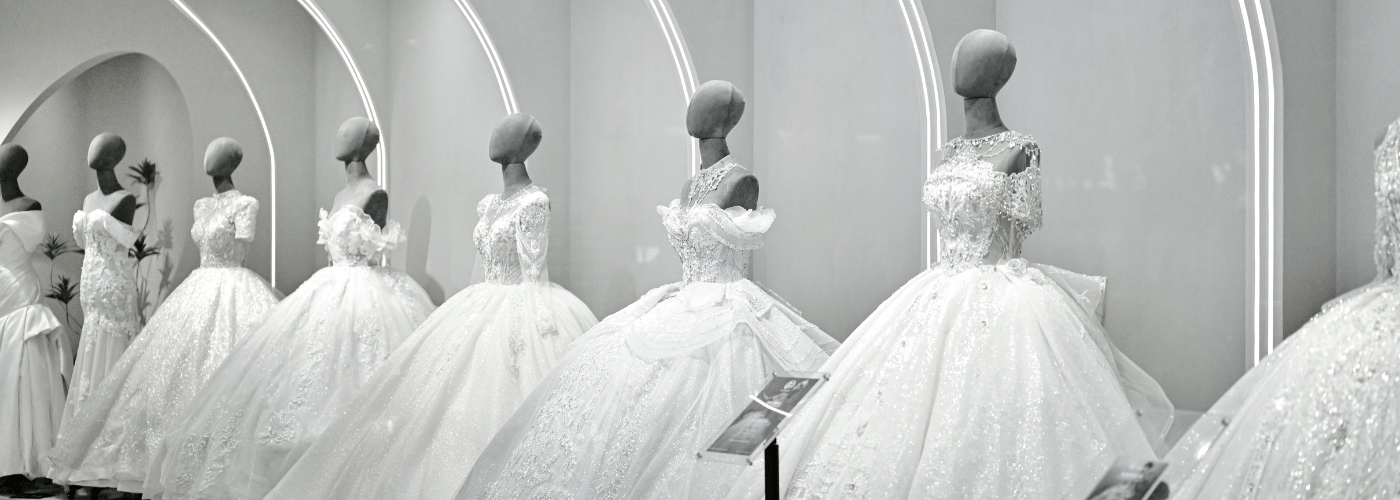
Bridal outfits and culturalwear often involve custom measurements, specialist fabrics, embroidery, and detailed handwork. Production can take several weeks. Alterations add more time on top. If there is a delay at any point in the chain, your margin for recovery shrinks very quickly. This is why so many couples end up with stories about late deliveries, rushed fittings the week before the wedding, and compromises that could have been avoided entirely.
The safest approach is to start with a first consultation several months ahead of your earliest event. Confirm fabric availability, production time, and the number of fittings included in the package. Ask for a written schedule showing when the garment will be cut, when the first fitting is, and when the final handover is due. If you are ordering internationally, build in a buffer for shipping delays and customs. If you are working with a local atelier, ask how they handle their peak season queue.
Plan your fittings with room to breathe
Most outfits settle after the first fitting. The second refines the shape. A third, if needed, should be a quick confirmation. Leave reasonable spacing between appointments so changes to weight, posture, or footwear preference can be accounted for naturally. For suits, tailoring is usually faster than structured culturalwear, but jacket and trouser adjustments still need time to be done cleanly without affecting the overall silhouette.
Your venue date is fixed. Your outfit timeline is not. If clothing gets delayed, you cannot move the wedding around it. Securing tailored pieces first gives you the one timeline that actually has flexibility built in.
- Shoes and underlayers: Bring the exact pair you plan to wear on the day so hem and fit measurements are accurate from the very first fitting.
- Closure comfort: Confirm closure types such as zips, hooks, and buttons, and test sleeve mobility in the fitting before the garment is finished.
- Contingency fabric: Ask what happens if a fabric, trim, or embroidery thread becomes unavailable mid-production, and get the answer in writing.
2) Multiple Outfits for Multi-Event Weddings
For South Asian and other multi-event weddings, it is common to have separate outfits for the nikah, mehndi, reception, and walima. Each outfit may involve different makers, different production timelines, and different fitting schedules. Managing all of these at once requires a clear overview of what is in production, what is awaiting a fitting, and what is still outstanding.
A simple spreadsheet works well. List each outfit, the vendor name, the deposit status, the fitting dates already booked, and the expected final handover date. Cross-referencing this against your event dates makes gaps obvious before they become urgent. If one event is being catered for by a vendor with a longer lead time, start that order first regardless of which event comes first on the calendar.
3) Groom and Menswear for Cultural Events
Traditional menswear can face the same delays as bridalwear. Embroidery, handwork, and fabric dye batches can push delivery dates further than expected. Sizing also varies considerably between makers, particularly when ordering from South Asian or Middle Eastern suppliers where sizing conventions differ from UK standards.
Plan sizing and adjustments early. If you are coordinating colours across several outfits, order fabric swatches and confirm the exact shade under natural light. This avoids mismatches that only become apparent on the day of the event. For sherwani or similar structured garments, the same fitting principles apply as bridalwear. Do not assume menswear needs less attention simply because it tends to involve fewer layers.
4) Personalised and Custom Items
Anything printed, engraved, embroidered, or cut to your names and dates needs artwork creation, proofing, and production time before it can be delivered. The vendor cannot start production until you approve the final design. One missed email adds days to the timeline. Common personalised wedding items include welcome signs, name plaques, ring boxes, embroidered handkerchiefs, Islamic art pieces with inscriptions, prayer mats with names, and keepsakes for close family members.
Create a simple approval process. Decide the exact spelling format for both names, choose a consistent date format, and lock the colour palette before any vendor begins design work. Ask the vendor to send a proof with dimensions and placement marked clearly. Review every character carefully, then approve in writing. If the product is fragile or oversized, confirm packaging quality and delivery dates so it arrives before your setup window.
- Digital proof with measurements: Approve a proof showing exact dimensions and placement before any production begins.
- Character and accent checks: Read names character by character, checking spacing, accents, and capitalisation to catch misprints before they are permanent.
- Fixings and assembly: Confirm final dimensions, mounting method, and whether any tools or fixings are included, particularly for large signage.
5) Footwear, Underlayers, and Accessories
Shoes need time to soften and be broken in, particularly heeled or formal styles that will be worn for long periods on the day. Underlayers directly affect the fit of every outfit above them. Scarves, shawls, hijabs, cufflinks, jewellery, and hair accessories can all sell out during peak wedding season, especially in specific colours or styles that are popular in a given year.
Order these items early, try them together as a complete look, and wear the combination during your next outfit fitting. You will notice comfort issues, colour conflicts, and fit problems sooner, and your tailor can make adjustments accordingly. This is especially important for structured underlayers, which can change the fall of a skirt or the sit of a jacket significantly.
6) A Practical Order of Operations
Early ordering is not about buying everything the moment you get engaged. It is about prioritising the items that carry the longest lead times and cannot be rushed without significant cost or compromise. Once these are secured, the rest of your shopping becomes simpler because the critical pieces are already in motion.
Outfits, personalised items, and footwear need to be secured before flowers, favours, or decorations. The latter can be sourced in weeks. The former cannot be rushed without paying a premium or accepting a compromise.
- Tailored outfits first: Secure all outfits that need tailoring, book fitting appointments, and leave buffer time between each one.
- Personalised items next: Approve proofs and lock spellings, colours, and dates before any production begins.
- Footwear and underlayers: Order these and test them at your next fitting, so any adjustments can still be made to the outfit.
- Accessories last: Shop for accessories once your full look is confirmed, so everything works together before the day.
7) Policies That Keep You Protected
Before paying deposits, read the refund and change terms carefully. Ask how your order is updated if a delivery window shifts. Find out what happens if a garment needs significant alterations after the final fitting. Confirm whether there is a cost for late collection or next-morning pickup. Clarity on all of these points saves the last week before the wedding from becoming a rush of unplanned conversations.
The vendors who are clearest about their timelines and policies are usually the ones who have managed busy wedding seasons before. When you secure these essentials early and work with vendors who communicate well, you remove the biggest sources of uncertainty. You know what is arriving, who is responsible for each step, and when each milestone will happen. Everything else you need to buy becomes simpler and calmer, because the items that needed the most lead time are already confirmed and in progress.