Your venue choice is one of the biggest decisions in wedding planning. It affects your timings, budget, vendor choices, and the entire guest experience. Many couples fall in love with a space and sign quickly without asking the questions that matter most. Weeks or months later, they discover restrictions, hidden costs, or access limitations that cause real problems. Taking an extra hour to confirm the right details in writing before committing can protect everything that comes after.
This checklist is written for UK couples, with particular attention to the needs of larger South Asian weddings where multi-event logistics, large guest counts, and specific requirements around prayer space and halal catering make venue confirmation even more critical.
1) The Exact Layout and What Is Included
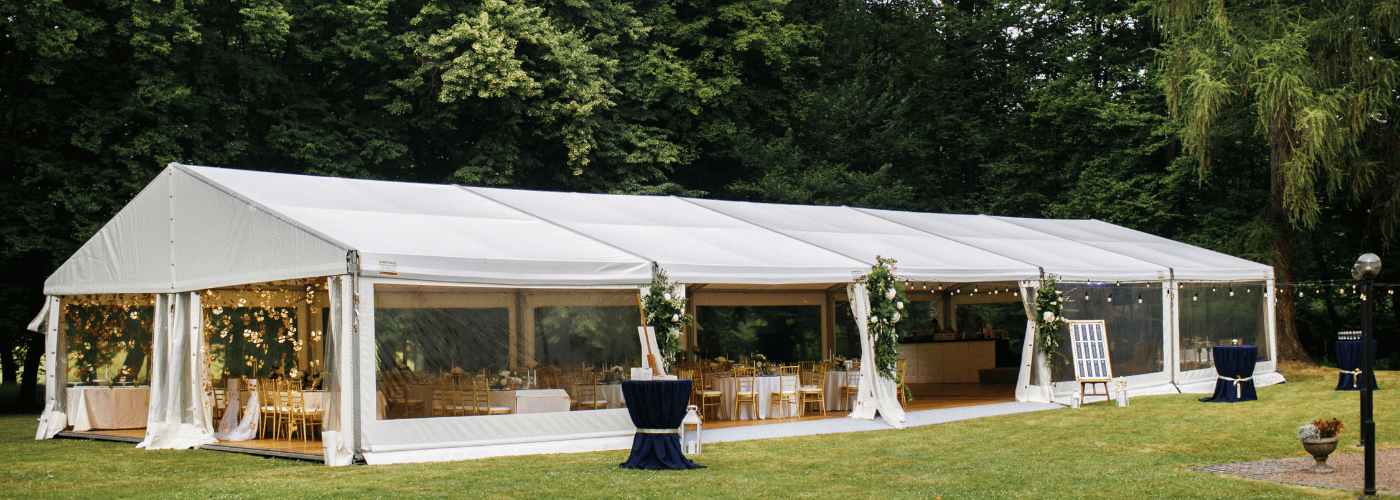
Never assume anything is part of the package. Ask for a detailed written breakdown of what comes with the hire. Does the venue provide tables, chairs, and tablecloths? Is there a dedicated setup and pack-down team, or are you responsible for that? If it is a marquee or hall-style location, are lighting rigs and heating already installed or will those need to be sourced separately?
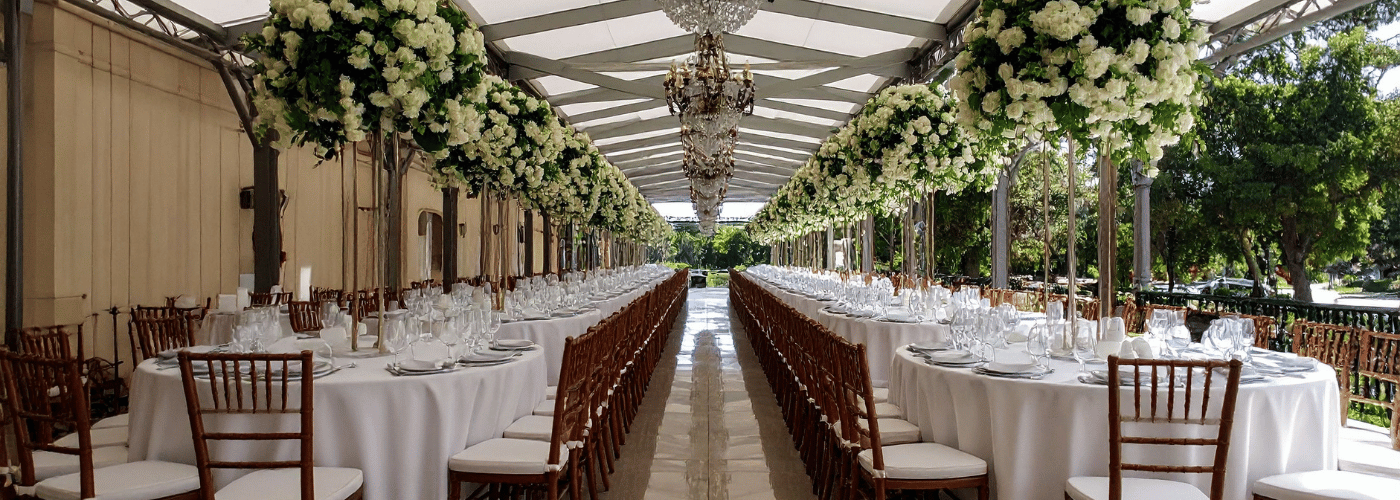
Walk through the full layout in person before signing. Note the locations of power points, entrances and exits, catering access routes, kitchen facilities, and the flow between rooms. If you are planning separate areas for a ceremony, a reception, and a dining room, map how guests will move between them. These details affect your decorator and caterer directly, and discovering a layout problem after booking is a far more difficult conversation to have.
For South Asian and Muslim weddings, a dedicated prayer room or quiet area is often essential. Not all venues offer this by default. If it matters to your guests, ask specifically, confirm the space is private and adequate in size, and get it documented in the booking agreement.
2) Timings and Access on the Day
Timings are where most venue issues arise. Confirm exactly when you and your suppliers can begin access for setup, and the precise time by which the venue must be clear. If your catering team needs six hours to set up a buffet line for 300 guests, or your decorator needs time to dress the room properly, that access window must be built into the booking from the start.
Ask specifically what happens if the event runs over time. Some venues charge by the half hour, others apply a flat late fee, and some enforce strict closure regardless of circumstances. If you are planning a late evening event, confirm whether extended hours are available and what the cost is. It is almost always better to book extended hours upfront than to negotiate for them on the night when your coordinator is under pressure.
- Supplier access: Confirm when caterers, decorators, and photographers can arrive to begin setup, separately from when guests arrive.
- Event end time: Get the hard finish time in writing, including any grace period for clearing up after guests leave.
- Extended hours: Ask about the cost upfront rather than discovering overage charges on your final invoice.
- Next-day collection: If any equipment or hired items need to be collected the following morning, confirm whether the venue allows this and at what cost.
3) Parking and Accessibility
Parking is easy to overlook in the excitement of finding a beautiful space. Find out how many spaces are available on site, whether there are overflow options nearby, and whether there are any restrictions on large vehicles such as catering vans or equipment trucks unloading near the venue entrance.
Accessible parking should be confirmed near the main entrance, not in a general car park at the far end of the site. Ask whether guests can leave cars overnight if the event runs into the evening and people choose to travel home the following morning. For venues attached to hotels, confirm whether wedding guests receive preferential parking rates. These small details make a meaningful difference to guests arriving with elderly family members or young children.
4) Deposits, Payments, and Cancellation Terms
Get clear written payment terms before transferring any money. Understand the deposit amount, when the balance is due, and what the refund policy is if circumstances change. Many venues operate a strict non-refundable deposit policy for peak dates, which is a legitimate commercial position, but you need to understand it before committing rather than after.
Ask what happens if you need to change your date. Some venues will transfer a booking to a different available date at no cost, others treat it as a cancellation. If the venue requires your vendors to carry public liability coverage or provide specific safety certificates before setup, collect those requirements at the time of booking so your caterer and decorator can prepare their documentation in advance.
A verbal agreement with a venue coordinator carries no weight if the coordinator changes or the venue is under new management by your wedding date. Every confirmed detail, from included equipment to agreed timings, should be in writing before your deposit is paid.
5) Catering Arrangements and Kitchen Access
If you are bringing an external caterer, confirm that the venue supports this. Some venues operate an approved-supplier list or charge a corkage-equivalent fee for external catering. Others require external caterers to complete a health and safety induction before setup day. If halal catering is a requirement, confirm whether the venue kitchen has any restrictions that would affect how your caterer prepares and serves food, particularly around separate preparation areas and equipment.
Ask about kitchen access times, the capacity of hot-hold equipment available, and whether there is adequate space for your caterer to operate. For large events, the distance from the kitchen to the serving station matters. A caterer walking 80 metres per trip to serve 300 guests creates bottlenecks that affect the entire service timeline.
6) Facilities for Guests and Families
Check the practical comforts that venues rarely advertise upfront. Are there adequate toilet facilities for your guest count? Is there a family area or quiet room for parents with young children? Are baby-changing facilities available? If elderly guests are attending, is the layout accessible without stairs, and are seating areas available throughout the venue so people can rest without missing the event?
If accommodation is on site, confirm check-in and checkout times, and whether a late checkout option is available for wedding parties. Some hotels offer this as a courtesy if arranged in advance. It is worth asking directly, as it allows family members who have travelled from a distance to rest properly rather than rushing to vacate their rooms mid-morning.
7) Restrictions and Flexibility
Some venues have sound limits set by local licensing, decor rules that prevent certain types of installation, or lists of approved vendors you must use. Others offer full flexibility. Understanding these restrictions before you book allows you to make a genuinely informed decision rather than discovering after signing that your decorator cannot install the centrepieces you planned or that your DJ must stop at 10pm.
If you are bringing your own catering, decor team, or entertainment, confirm in writing that external suppliers are permitted and that there is adequate access for them. Ask whether any suppliers need to be vetted or approved by the venue before the event, and how long that process takes.
8) Back-Up Plans and On-the-Day Support
Ask what happens if something goes wrong. If heavy rain affects an outdoor area, is there covered space available without an additional cost? If there is a power issue, does the venue have a backup generator? If your layout needs to change on the morning of the event, is there a venue coordinator available on site who has the authority to assist with changes quickly?
The best venues have contingency plans already in place and can describe them clearly when asked. A venue team that has seen busy wedding seasons before will answer these questions calmly and specifically. A venue that is uncertain or dismissive is telling you something important about the support you will receive on the day itself.
Once you have confirmed all of these points, request an updated written proposal or booking agreement that reflects everything discussed. Having the full picture documented protects you as a couple and helps every vendor you work with coordinate more confidently. Your venue is the foundation everything else is built on. Making sure it is the right one, confirmed in every detail, is one of the best investments of time you can make during the planning process.