The venue decision sits at the centre of everything else. It determines your guest count, your catering options, your layout, your start and end times, and in many cases a significant portion of your budget. Get it right and the rest of the planning becomes considerably easier. Get it wrong and you spend months working around constraints that could have been avoided entirely.
This guide covers the main location types available to couples in the UK, how each one handles scale and logistics, and what to check before you sign anything. Whether you are planning a large South Asian wedding across two or three days or a smaller, more intimate gathering, the right setting is out there. This is how to find it.
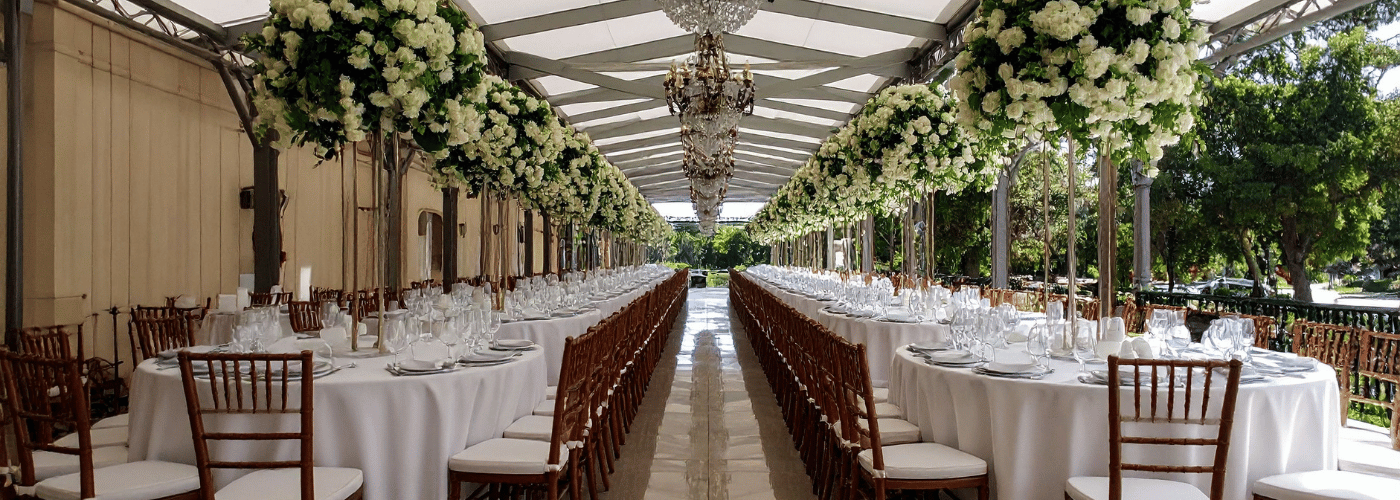
Purpose-Built Wedding Venues
These spaces are designed specifically for large events and smooth service. Most come with onsite coordination teams, clear access routes for suppliers, dedicated car parking, and layouts that have been refined over years of hosting. For guest counts above roughly 300, purpose-built venues are often the most practical option. Some can accommodate 800 or more depending on the configuration.
Why they work: Proven logistics mean fewer surprises. Parking, step-free access, catering kitchens, staging, and sound systems are usually already in place. Optional in-house catering and decor packages can reduce the number of external suppliers you need to coordinate.
What to consider: Popular dates, particularly summer Saturdays, sell 12 to 18 months in advance at well-known venues. Packages may limit your freedom to bring in your own caterers or decor suppliers. Costs scale with guest count, and some venues apply minimum spends that push the overall figure higher than the hire fee alone suggests.
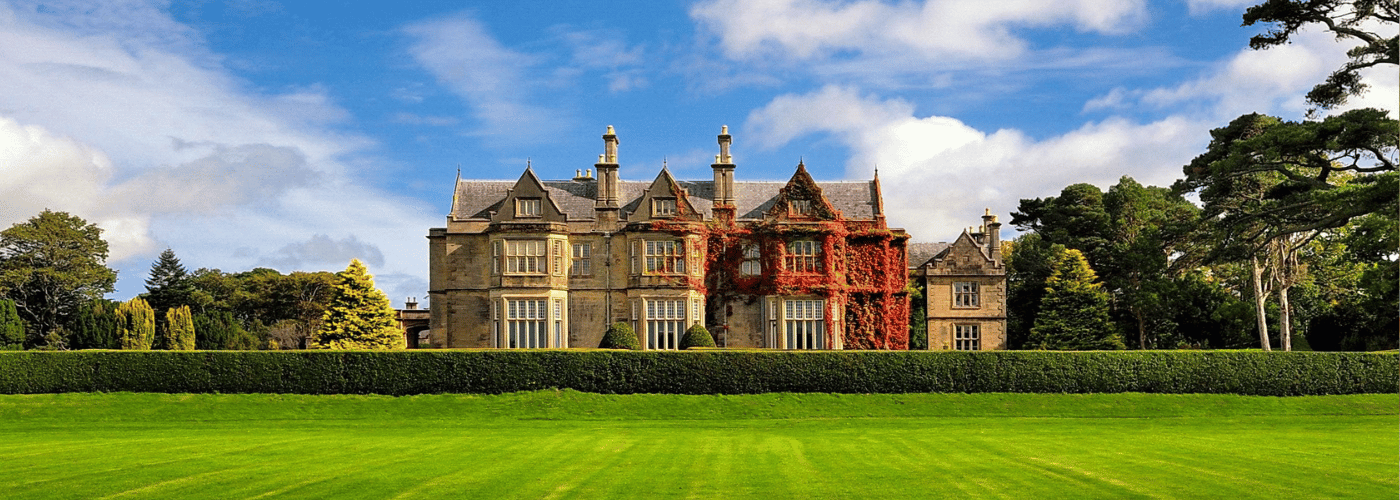
Grand Hotels and Heritage Estates
Hotels and heritage buildings deliver a distinctive look: striking staircases, landscaped grounds, ornate interiors, and the practical benefit of onsite accommodation for travelling family. For South Asian weddings where relatives are coming from outside the city or from abroad, having rooms available in the same building removes a significant logistical challenge.
Why they work: The visual quality is consistently high and requires less added decor to look impressive. Covered outdoor spaces offer options for family photos in poor weather. Late checkout arrangements for the couple and immediate family are often available. Staff are experienced in managing large family gatherings.
What to consider: Grand hotels often divide across multiple rooms or floors, which can fragment the guest experience. Styling rules may be stricter than at dry-hire venues. Costs rise sharply on premium dates, and some estates require all suppliers to be drawn from an approved list, which limits your flexibility on catering and decor.
When visiting hotels or heritage estates, ask specifically about the catering policy for halal food. Some operate exclusively with their own kitchen. Others allow external halal caterers with advance notice. Confirm this before falling in love with the space.
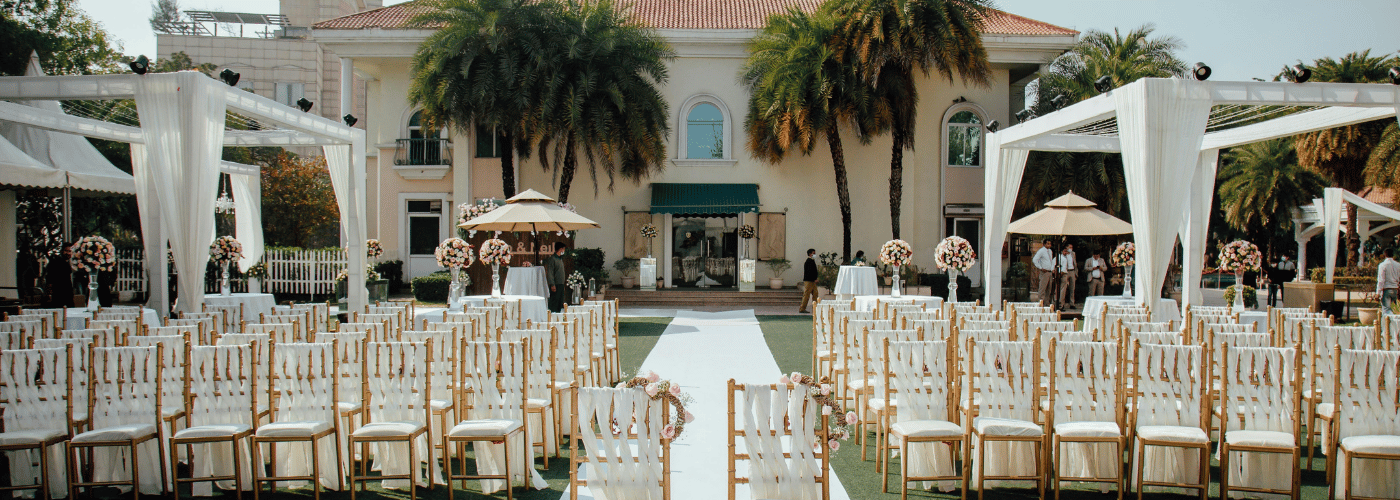
Fixed Marquees at Established Sites
Some venues operate semi-permanent or seasonal marquees with flooring, heating, ceiling draping, and lighting already installed. These usually sit within open grounds with good parking and feel bright and airy even for mid to large events. The structure is there and ready; you bring the styling on top.
Why they work: The draped interior provides a blank canvas that photographs well and responds beautifully to floral arrangements, fairy lights, and centrepieces. The outdoor feel is preserved while the weather risk is removed. Layouts are usually flexible enough to accommodate different configurations of tables, stages, and dance floors.
What to consider: In winter, daylight drops early and the outdoor surroundings lose some of their impact. Ground access for delivery vehicles needs planning, particularly in wet conditions. Sound management depends on the site rules and proximity to neighbouring properties. Check these in advance.
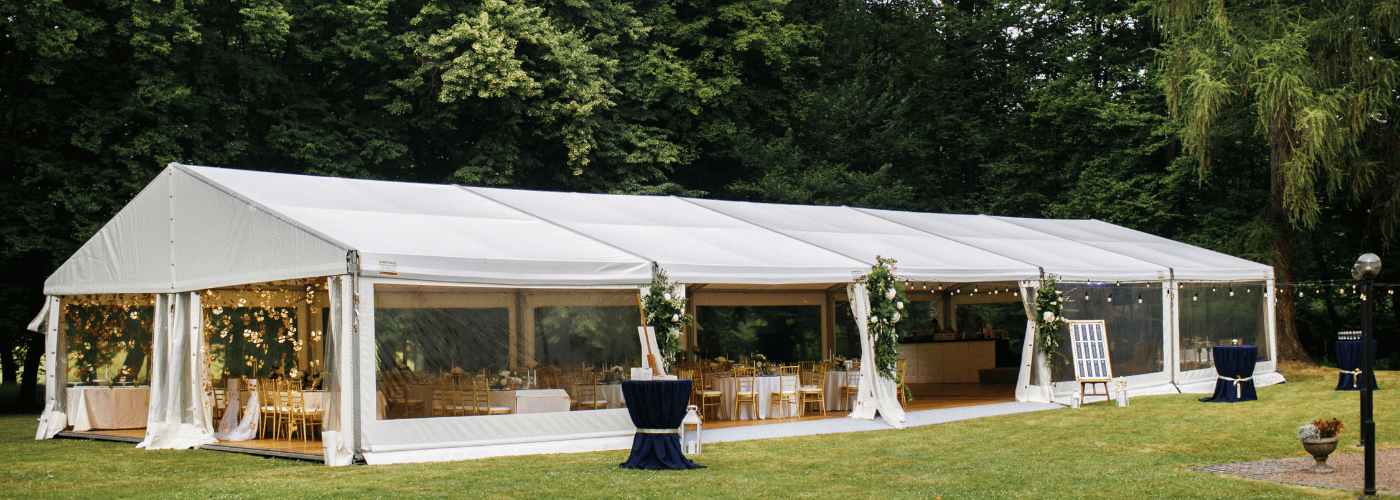
Hire-In Marquees on Private Land
If you have access to a large garden or private land, a hired marquee can offer a genuinely personal setting at a lower overall cost than a commercial venue. You control the layout, the supplier mix, and the atmosphere. This option suits intimate nikah gatherings at home, smaller pre-wedding events, or couples who want a more relaxed and personal feel.
Why they work: Budget control is far higher. The setting carries personal meaning that a commercial venue cannot replicate. Styling freedom is essentially unlimited within the structure's constraints.
What to consider: You are responsible for arranging power supply, flooring, portable toilets, parking, waste removal, and neighbour management. Setup and pack-down times need to be built realistically into the schedule. Guest capacity is naturally smaller than a commercial venue, and bad weather can affect access routes if the ground is soft.
Community Centres and Dry-Hire Halls
Dry-hire halls are blank canvas spaces you shape entirely yourself. Many rent by the hour or by the session, which makes costs predictable and the budget easier to manage. Sizes range from small rooms comfortably holding 40 to 60 guests up to large halls that handle 200 or more with the right layout and staging.
Why they work: Value for money is consistently strong compared to commercial venues at the same capacity. The freedom to bring any caterer, any decorator, and any supplier you choose is a significant advantage, particularly for South Asian weddings where having a trusted halal caterer matters more than venue brand recognition.
What to consider: You carry the full coordination burden. Tables, chairs, cloths, staging, signage, lighting rigs, and sound systems all need to be sourced and set up. Cleaning and handover requirements must be followed precisely to avoid deposit deductions. A well-organised run sheet and a reliable coordinator or support team on the day make a real difference.
When hiring a dry hall, always visit in person before confirming. Check the kitchen facilities, the power sockets available for catering equipment, the toilet provisions for your guest count, and the loading access for your suppliers. What looks fine in photos can reveal problems on a site visit.
Faith Spaces and Community Mosques
Many mosques and Islamic centres across the UK offer hireable halls or function rooms suitable for nikah ceremonies and family receptions. The ability to hold the ceremony and the gathering in one place removes a significant amount of travel coordination for guests, particularly elders and families with young children.
Why they work: The ceremony is conducted in a spiritually meaningful setting with the community infrastructure already in place. Familiar surroundings help guests feel at ease. Many faith centres are experienced in supporting wedding events and have clear guidance on what is permitted, which simplifies planning considerably.
What to consider: Capacity varies widely between sites. Availability depends on the centre's own schedule and prayer times. Decor guidelines should be respected and confirmed with the centre management in advance. Some spaces require that all food brought in meets specific preparation standards, which is worth clarifying early.
Restaurants and Private Dining Rooms
For smaller guest lists, a quality restaurant with a private dining room offers a comfortable, well-staffed experience with minimal coordination overhead. This suits engagement dinners, mehndi evenings with compact numbers, or a smaller reception where the priority is quality of food and intimacy of atmosphere over scale.
Why they work: Food quality is consistent and professionally managed. Setup effort is low. Staff are experienced in serving large tables and managing the flow of the evening. The setting feels celebratory without requiring significant decoration work.
What to consider: Layout control is limited. Finish times depend on the restaurant's own operating hours. Private rooms have fixed capacities and are rarely suitable for gatherings above 50 to 80 guests.
Galleries, Museums, and Unique Spaces
Cultural buildings and galleries occasionally offer event hire that creates a genuinely distinctive backdrop. These settings bring character, strong photography potential, and a memorable talking point for guests. Availability and specific rules vary considerably between institutions, so making early contact is essential.
Why they work: The visual quality is inherent to the space and requires little added decoration to feel impressive. Guests experience something genuinely different from a typical wedding venue, which becomes part of the memory of the day.
What to consider: Access windows are often tight. Approved supplier lists may restrict your catering choices. Protection rules for the space and its contents can limit where you can place items and how the room can be configured. These constraints suit couples who want something unique and are willing to work within a more structured set of guidelines.
How to Choose Based on Your Situation
Guest count above 300: Look first at purpose-built venues. They are designed for this scale and the logistics are significantly smoother. Large hotel ballrooms can also work if the layout is continuous rather than split across rooms.
Guest count between 120 and 300: Hotels, fixed marquees, and larger community halls all handle this range well. The decision usually comes down to budget, catering flexibility, and how much coordination you want to take on yourself.
Guest count under 120: You have full range. Small hotels, community halls, hire-in marquees, restaurants, and faith spaces all become realistic options. The focus shifts to atmosphere and personal meaning rather than logistics at scale.
Budget and control: Dry-hire halls and hire-in marquees offer more freedom and better value if you are comfortable coordinating your own suppliers. Hotels and purpose-built venues reduce coordination at a higher base cost.
Family needs: For large South Asian families, accessibility matters as much as capacity. Check for step-free routes from parking to the main space, prayer room availability, quiet areas for children and elderly guests, and proximity to toilets from the main seating area. Confirm these in person before you book.
Lead times: Popular venues for summer weekend dates are often fully booked 12 to 18 months ahead. Winter dates open up better availability and sometimes considerably lower hire costs. If your date is flexible, exploring off-peak options can free up budget for other priorities.
Checks to Confirm Before You Book
- Access windows: Confirm setup and pack-down times, who holds the keys, and whether you have exclusive use or share with another event.
- Capacity by layout: Ask for the maximum capacity under your intended configuration, not the headline figure, which is often based on theatre-style seating.
- Parking and accessibility: Step-free routes, lift access, parking near entrances, and enough spaces for your guest count.
- External supplier policy: Confirm whether you can bring your own halal caterer, decorator, and entertainment. Some venues restrict this to an approved list.
- Noise and finish times: Sound curfews and finish times vary significantly and affect the feel of the evening considerably.
- Cleaning and handover: Understand exactly what is expected at the end and who signs off the space before your deposit is returned.
There is no single perfect location. The right choice is the one that fits your numbers, supports the flow of your day, and feels comfortable for your family. Start with the practical facts — capacity, catering policy, access — then let the atmosphere guide the final decision.