One of the most common questions couples ask when planning a halal wedding in the UK is what to do about entertainment. The mainstream wedding industry defaults to answers that do not work for Muslim couples, and the gap can make it feel like the options are limited. They are not. The most memorable wedding experiences are almost never about a particular act or activity. They are about atmosphere, warmth, creativity, and the sense that guests were genuinely thought about. All of those things are entirely achievable within halal boundaries, and this guide covers the ideas that actually land with guests rather than the ones that sound impressive on paper but feel awkward in practice.
Reframing What Wedding Entertainment Actually Means
The mainstream definition of wedding entertainment, a performer, a programme, a structured activity, is actually a narrow view of what makes guests feel engaged and looked after. Most guests at a wedding are not looking to be entertained in a theatrical sense. They are looking to connect with people, to feel part of the occasion, to eat well, and to have something to do between the key moments of the day that does not involve standing around wondering what happens next.
Seen through that lens, halal-friendly entertainment is not a compromise version of a conventional wedding programme. It is an opportunity to build a day around things that are genuinely meaningful and genuinely interactive, many of which create a warmer and more personal experience than the conventional alternatives they replace.
Passive entertainment keeps guests watching. Interactive elements, henna, calligraphy, photo moments, food stations, get guests involved. The events most guests remember best are the ones where they did something, not just watched something.
Live Calligraphy
A live calligrapher at a wedding is one of the most universally well-received additions to any South Asian or Muslim celebration. A skilled calligrapher can create personalised pieces for guests throughout the event: names in Arabic or Urdu script, Quranic verses, duas, or meaningful phrases rendered beautifully on card, paper, or even on items guests bring with them. The combination of witnessing the craft live and receiving something personalised creates a moment that guests remember and take home.
Calligraphers who work wedding events in the UK typically charge between £200 and £500 for a three to four hour session depending on their profile and the complexity of the work. Some also offer a large-format piece created live across the duration of the event, such as a work of art depicting the couple's names and wedding date, which becomes a permanent piece for the family home.
For the Nikah specifically, a calligrapher creating pieces featuring Quranic verses related to marriage, blessings, and gratitude adds a dimension to the event that is both beautiful and spiritually resonant. Guests who receive a personally inscribed piece from a wedding Nikah often keep it for years.
Live Portrait Artists and Wedding Painters
A live wedding painter who captures the event as it unfolds is a growing trend at South Asian weddings in the UK and one that works exceptionally well with the visual richness of the occasion. The painter works during the stage session, the meal, and the key moments of the day, producing a large painted work that becomes a permanent piece for the couple.
Guests find the presence of a painter at a wedding genuinely fascinating, and watching the piece develop across the day becomes its own form of engagement. Live wedding painters in the UK typically charge between £600 and £1,500 depending on the size of the piece and the duration of the session. The finished work, once delivered, is something genuinely unique to the couple's day and impossible to replicate in any other format.
Photo Booths and Instant Print Stations
A well-styled photo booth is one of the most reliably popular additions to any wedding and it works particularly well at the Mehndi where the atmosphere is informal and guests have time to gather and create moments together. The key distinction between a photo booth that guests enjoy and one they ignore is the styling: a backdrop, props, and lighting that match the aesthetic of the event rather than a generic branded booth that looks out of place.
Instant print stations that produce a small physical print immediately are more popular than digital-only options because guests leave with something tangible. Photo booth hire in the UK for a four to five hour event typically costs between £350 and £700 including setup, the attendant, and unlimited prints. For the Mehndi in particular, a photo moment featuring the bride's henna against a styled backdrop is one of the most-shared wedding images on social media and something guests specifically seek out.
Audio Guestbooks
An audio guestbook is a telephone handset, usually a vintage-style piece, placed on a styled table with a prompt card asking guests to leave a voice message for the couple. Guests pick up the handset, hear a personalised greeting from the couple, and record a message: a memory, a dua, a piece of advice, or simply a warm wish.
The result is a recording of the voices of the people who attended the wedding, something that a photograph cannot capture and that becomes increasingly precious as time passes. Couples who have included audio guestbooks consistently describe them as one of the highlights of their day, both because of how guests interact with them enthusiastically across the event and because of the experience of listening to the recordings afterwards. Audio guestbook hire for a wedding event typically costs between £150 and £300 including the recording and a digital delivery of the audio file.
Henna Stations for Guests
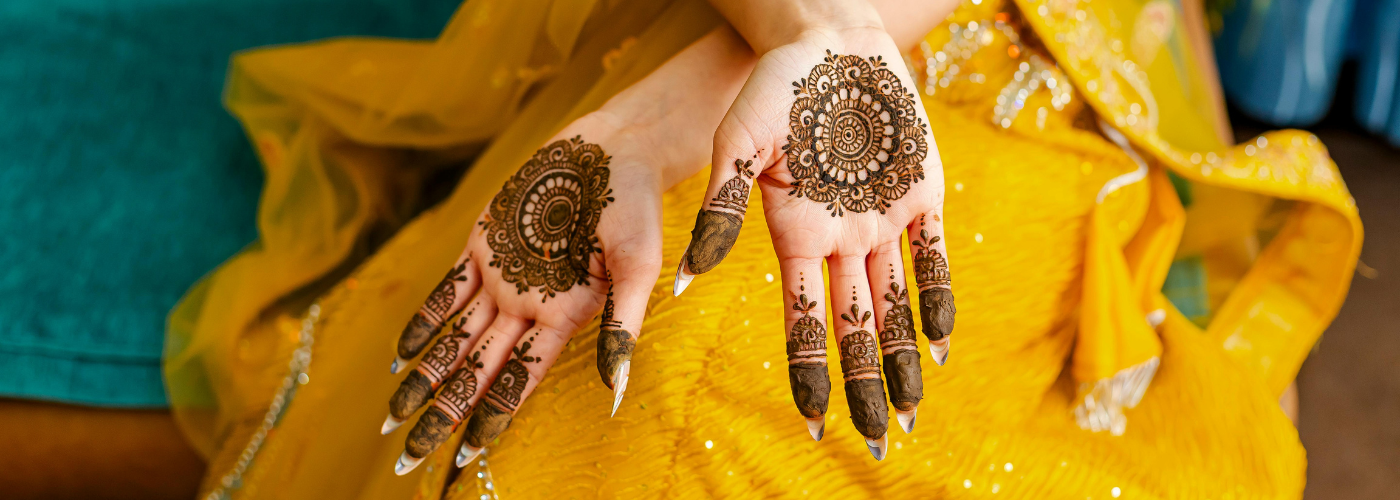
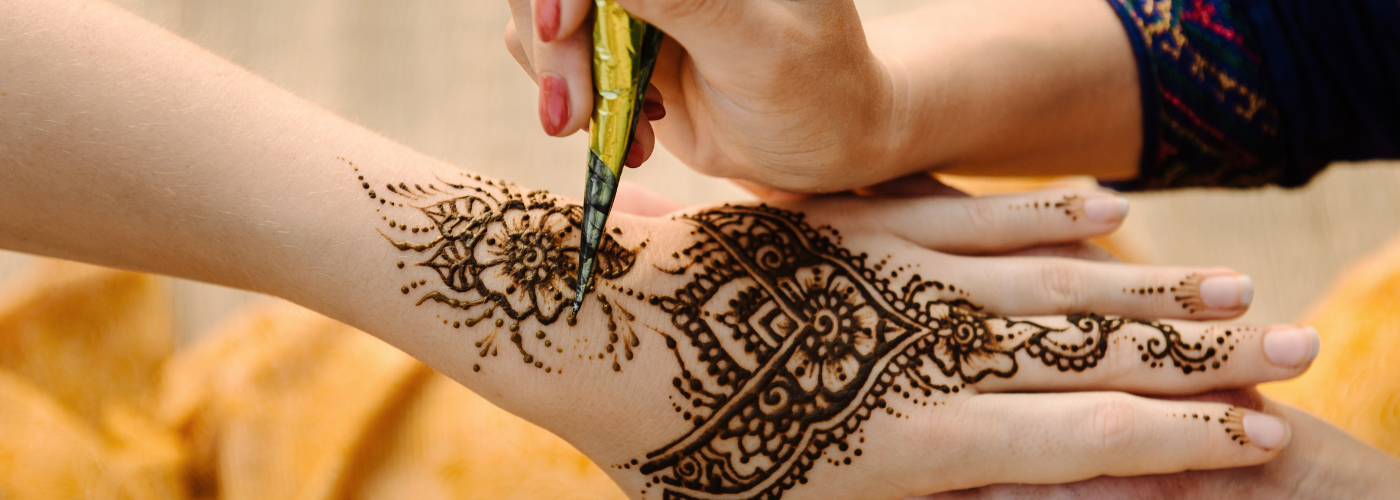
At the Mehndi, guest henna is an expected feature rather than an added entertainment element. At the Nikah and Walima, a small henna station offering simple designs for guests who would like them is a less expected but genuinely appreciated addition that ties the aesthetic of all three events together.
A single henna artist offering guest designs during the arrival and meal period of a Walima, where guests have time between arriving and the formal stage session, keeps the craft present across the full wedding programme rather than confining it to the Mehndi. The cost of an additional henna artist for a two to three hour guest session at a Walima is relatively small and the impact on the guest experience is disproportionately positive.
Personalised Favours With a Story
Favours are often the wedding element most couples spend time on and guests pay least attention to. The exception is when the favour has a story attached to it that is communicated clearly. A small jar of honey with a card that explains its significance in Islamic tradition. A packet of seeds with a printed note about growth and new beginnings. A handmade item from a family member with a personalised label explaining its origin. These additions cost very little extra but transform a favour from something guests pocket and forget into something they remember and sometimes keep.
The communicating of the story matters as much as the favour itself. A small card on each table explaining the favours, or a brief announcement from a family member, connects guests to the thought behind the gift and makes the moment feel intentional rather than obligatory.
Live Nasheed or Spoken Word Performance
For couples who want a live performance element at their wedding, a nasheed artist or a spoken word poet offers something genuinely moving that is entirely within halal boundaries. Nasheeds, vocal recitations without instrumental music, have a long tradition in Islamic culture and the range of styles available in the UK in 2026 spans everything from traditional Arabic devotional recitation to contemporary acappella performances with rich harmonies and modern production.
A nasheed performance during the reception period of a Walima, or as part of the Nikah ceremony itself, creates an atmosphere of warmth and spirituality that guests often describe as the most moving part of the day. UK-based nasheed artists who perform at weddings typically charge between £300 and £1,000 depending on their profile and the duration of the performance. For couples who want a live element that elevates the spiritual dimension of the occasion, this is the most powerful option available.
Curated Food and Drink Experiences
Beyond the main catering, experiential food stations create an interactive element that guests engage with naturally and remember positively. These work particularly well during the arrival and transition periods of an event when guests are moving around rather than seated.
- A live chai station. A barista-style chai station where guests can request their preferred style, strong, cardamom-forward, with ginger, with saffron, creates a personal interaction that a standard urn simply cannot. Guests gather around it and conversations happen over it in a way that enriches the social atmosphere of the event.
- A chaat station. Particularly effective at Mehndi events, a live chaat station where guests can watch their plate assembled creates a moment of theatre around food that is both visual and delicious.
- A mocktail bar. A styled drinks station offering a small selection of elegant non-alcoholic mocktails, rose lemonade, mint and cucumber agua fresca, virgin mojitos, elevates the drinks experience significantly without requiring anything other than fresh ingredients and a well-presented display. The visual appeal of a well-styled drinks station is also one of the most photographed elements of modern weddings.
- A dessert and sweet table. Beyond simply having a dessert spread, a thoughtfully styled sweet table with labelled traditional and contemporary items, a small display piece, and good lighting becomes a destination within the room that guests return to across the duration of the event.
The gap between guests arriving and the stage session beginning is the most common dead period at a South Asian wedding. A well-placed henna station, a chai station, and a photo moment in this window transforms it from a waiting period into one of the warmest parts of the day.
Children's Activity Corner
South Asian weddings in the UK almost always include a significant number of children across all three events. A designated children's activity corner, simple, supervised, and positioned away from the main catering and stage area, serves the children, their parents, and the overall atmosphere of the event simultaneously.
Colouring sheets, simple craft activities, a small play area with cushions and age-appropriate toys, and a dedicated family member or hired helper to manage the space transforms the experience of bringing young children to a wedding from something parents manage anxiously into something they can relax through. The cost of setting up a children's corner is minimal. The impact on the parents in the room, who are freed to be present at the event rather than managing an increasingly restless child, is significant.
Thoughtful Touches That Cost Almost Nothing
The most consistently appreciated elements of a well-run wedding event are often the ones that cost least but communicate care most clearly.
- A personalised running order card on each table. Guests who know what is happening and when feel oriented rather than adrift. A simple card listing the key moments of the day and their approximate timings removes the ambient uncertainty that otherwise sits over every transition.
- A framed dua card at each table setting. A small card with a dua for the couple printed beautifully on it invites guests to make supplication at the table and adds a spiritual dimension to the meal that is both meaningful and simple to execute.
- A welcome message from the couple. A brief printed note on each table, or a spoken welcome from the couple or a family member at the start of the meal, creates a moment of warmth that costs nothing and is remembered by almost every guest who experiences it.
- Directed photography prompts for guests. A small sign near the stage or ceremony area that encourages guests to put away their phones during the ceremony and to capture candid moments during the meal creates a better photographic record of the day for everyone, including the professional photographer who can work without a forest of phones in their shots.
How to Choose What Works for Your Wedding
Not every idea in this guide belongs at every wedding. The right entertainment choices for a Mehndi are different from those suited to a Nikah or a Walima, and what works for an intimate 50-person gathering is different from what works at a 300-guest celebration. A few principles help narrow the decision.
Choose things that match the atmosphere of the specific event. The Mehndi is warm and informal: interactive stations, photo moments, and live craft activities suit it naturally. The Nikah is significant and spiritual: a nasheed performance, a calligrapher creating pieces with relevant verses, and a carefully considered running order serve the occasion better than high-energy activities. The Walima is generous and celebratory: food experiences, audio guestbooks, and thoughtful touches that make every guest feel individually welcomed are the elements most likely to land well.
Choose things you can execute well rather than ambitiously. One beautifully styled chai station is better than three half-finished activity tables. A single excellent live calligrapher is more memorable than a collection of mediocre additions. The principle is the same as it is across every element of wedding planning: fewer things done properly create a better experience than many things done inadequately.
Final Thoughts
Halal-friendly wedding entertainment is not a reduced version of a conventional wedding programme. It is a different and in many ways more personal approach to the question of how to make guests feel genuinely welcomed, engaged, and glad they came. The ideas in this guide are the ones that have proven most effective at South Asian and Muslim weddings in the UK precisely because they are rooted in craft, connection, hospitality, and meaning rather than in spectacle.
A guest who leaves your wedding with a piece of personalised calligraphy, the memory of a nasheed that moved the room, and the sound of their own voice in an audio guestbook has had an experience that no conventional wedding entertainment programme reliably produces. That is not a consolation. It is a genuine advantage for couples who know how to use it.