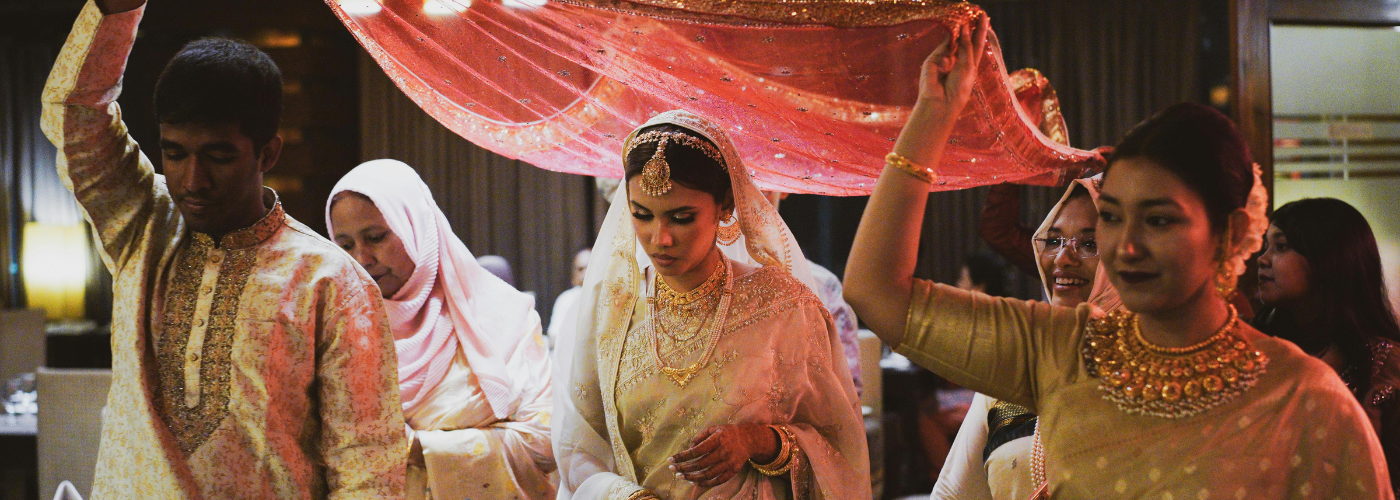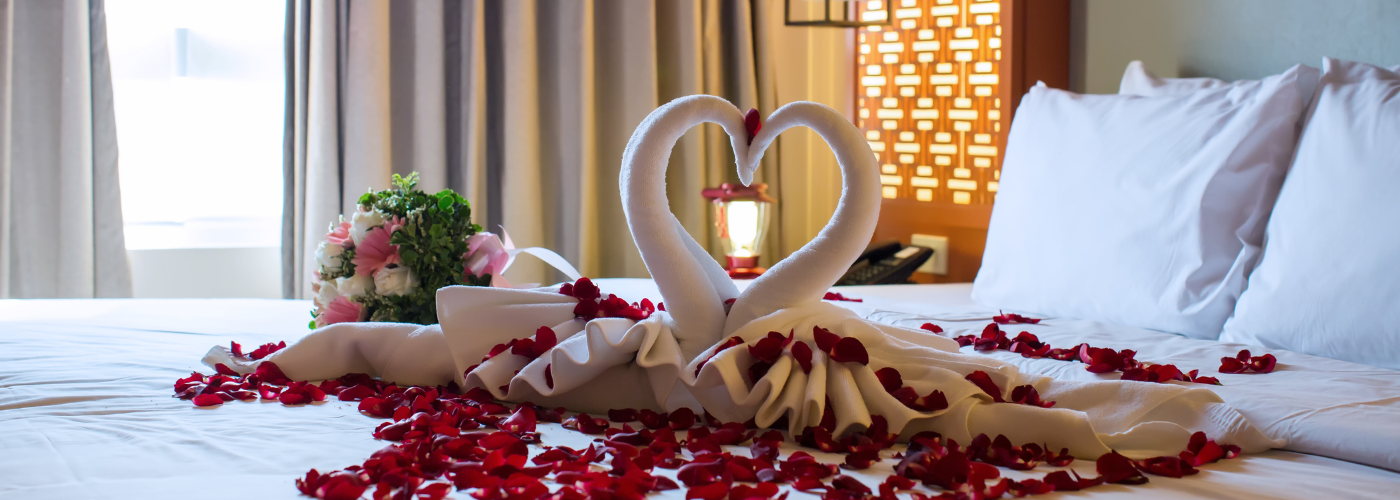
The honeymoon is the first trip a couple takes together as a married pair, and for Muslim couples it carries a particular significance: it is often the first time they have had extended private time together, which makes the setting, the atmosphere, and the comfort of the trip matter more than it might for couples who have travelled together before. Planning a honeymoon that works for a Muslim couple means thinking carefully about a handful of specific things: where halal food is genuinely accessible, where the environment is comfortable without being actively uncomfortable, where prayer facilities are available, and where the couple can relax fully rather than navigating a destination that was not designed with them in mind. This guide covers all of that honestly and practically.
How to Think About Halal Honeymoon Destinations
The halal honeymoon destination question is about more than just food. It involves a combination of factors that together determine how comfortable and how relaxed a Muslim couple will be in a given place. Food access is the most practical consideration but it sits alongside the general social environment of the destination, the availability of prayer facilities, the extent to which modest dress is comfortable or conspicuous, and whether the character of the destination suits what the couple actually wants from their first trip together.
The broadest and most reliable framework for thinking about this is to distinguish between three types of destination: Muslim-majority countries where halal is the default across almost every aspect of daily life; destinations with established Muslim communities and halal food infrastructure that functions reliably; and destinations where halal food requires research and planning but is achievable with preparation. Each type offers different things and suits different couples depending on what they value most in a honeymoon experience.
There is no single correct halal honeymoon destination. A couple who wants a relaxed beach trip has completely different needs from one who wants culture and history. This guide gives options across different types of experience rather than a single ranked list.
Destinations That Work Well for Muslim Couples
The Maldives
The Maldives remains one of the most popular honeymoon destinations among Muslim couples from the UK, and the reasons are clear. As a Muslim-majority country, halal food is the default across all local restaurants and the majority of resort dining options. The environment is naturally suited to a couple looking for privacy, beauty, and relaxation: overwater villas, extraordinary marine life, and some of the most visually stunning natural scenery on earth. The resort model means couples can find properties that suit their specific preferences around privacy and atmosphere without the complexity of navigating a city.
The main consideration is budget. The Maldives is among the more expensive honeymoon destinations from the UK, with all-inclusive packages at good-quality resorts typically starting from £4,000 to £5,000 per person for a week. For couples with the budget, it consistently delivers the combination of beauty, privacy, and ease that makes a honeymoon genuinely restorative.
Türkiye (Turkey)
Türkiye offers one of the most complete halal honeymoon experiences accessible from the UK at a significantly more varied price point than the Maldives. Istanbul combines history, architecture, and one of the great food cultures of the world in a city that is simultaneously deeply Islamic in its heritage and thoroughly cosmopolitan in its character. The Blue Mosque, the Grand Bazaar, a Bosphorus cruise at sunset, and some of the most extraordinary food available anywhere in the world make Istanbul a destination that suits couples who want richness and culture alongside comfort.
For couples who want a beach element, the Aegean and Mediterranean coasts of Türkiye offer beautiful settings in places like Bodrum, Antalya, and Cappadocia for something entirely different: the surreal landscape of hot air balloons over cave formations is one of the most photographed honeymoon experiences in the world. All-inclusive halal resorts are widely available across the Turkish coast and offer very good value by comparison with equivalent experiences elsewhere.
Morocco
Morocco is increasingly popular among UK Muslim couples and for good reason. Marrakech, Fes, and the Atlas Mountains offer a combination of sensory richness, cultural depth, and natural beauty that few destinations can match at a comparable price point. Halal food is universal throughout the country. The architecture of the medinas, the souks, the riads with their private courtyards, and the landscape of the Sahara desert all create an experience that feels genuinely unlike anywhere else.
A riad stay in Marrakech or Fes offers the privacy and beauty of a boutique hotel experience within a historic medina, often at prices that would feel like exceptional value by UK standards. Morocco is also conveniently close: direct flights from most major UK airports take three to four hours, which suits couples who want to minimise travel time and maximise the time actually at the destination.
Malaysia and Indonesia
Malaysia and Indonesia offer the combination of tropical beauty, rich Islamic culture, and outstanding halal food that makes them natural choices for Muslim couples looking for a longer-haul destination. Kuala Lumpur, Penang, Langkawi, Bali, and Lombok each offer a different character: urban sophistication, beach luxury, or cultural immersion. The halal food infrastructure in Malaysia is exceptional, with the country widely recognised as one of the most Muslim-friendly travel destinations in the world.
Lombok in Indonesia is worth specific mention as a less visited alternative to Bali that offers comparable natural beauty, a majority Muslim population, and an environment that many Muslim couples find more immediately comfortable than Bali's heavily Hindu character. The beaches of the Gili Islands, accessible from Lombok, are among the most beautiful in Southeast Asia.
Jordan
Jordan is one of the most underrated honeymoon destinations for Muslim couples from the UK. Petra, one of the great archaeological wonders of the world, is genuinely awe-inspiring in person in a way that photographs do not fully capture. Wadi Rum's desert landscape offers a completely different and equally extraordinary experience. The Dead Sea provides a unique natural attraction unlike anything available in Europe. And Aqaba on the Red Sea coast offers warm waters and excellent snorkelling and diving in a halal-friendly environment.
Jordan is a Muslim-majority country with excellent halal food access throughout. It is also historically and spiritually significant for Muslim travellers in a way that adds a dimension to the trip beyond tourism. Combining a few days in Amman, a night or two at Petra, and time in Wadi Rum creates a honeymoon itinerary that is distinctive, memorable, and deeply connected to Islamic history and heritage.
The UAE: Dubai and Abu Dhabi
Dubai and Abu Dhabi are among the most visited honeymoon destinations by UK Muslim couples for reasons that are easy to understand: excellent halal food everywhere, a comfortable and familiar environment for British visitors, world-class hotels, outstanding shopping, and a combination of modern luxury and desert landscape that suits couples looking for a high-end experience with minimal logistical complexity. The UAE's infrastructure for international visitors is exceptional and the ease of the experience removes the planning friction that more adventurous destinations can involve.
The main consideration is the season. Dubai in summer, which falls across the common post-wedding period of June to September for UK couples, is extremely hot. The experience is largely resort and indoor-based during these months, which suits couples who want luxury and comfort but is limiting for those who want outdoor exploration. The cooler months of October through March are significantly more enjoyable for sightseeing and outdoor activity.
Finding Halal Food in Less Obvious Destinations
For couples whose first choice of destination falls outside the Muslim-majority category, finding halal food requires research but is rarely as difficult as it initially appears. The global Muslim travel market has grown significantly in the past decade, and the app and website infrastructure for locating halal food abroad has grown alongside it.
- Halal-focused apps and websites. HalalTrip, Zabihah, and Muslim Pro all have restaurant finders that work in most major tourist destinations worldwide. Searching before arrival rather than on the day gives couples a list of verified options to work from rather than requiring in-the-moment research.
- Seafood and vegetarian options as a reliable fallback. In destinations where dedicated halal restaurants are limited, fresh seafood and vegetarian dishes are halal by default and available in almost any cuisine. Couples who are comfortable with these options have significantly more flexibility in their restaurant choices.
- Self-catering accommodation as a supplement. An apartment or villa with a kitchen for part of the trip allows the couple to prepare their own meals using supermarket-sourced ingredients, which in most destinations gives access to halal meat through local halal butchers or international supermarkets with halal sections.
- Communicating dietary requirements clearly. In European destinations, most quality restaurants are willing to prepare dishes without non-halal meat if the request is made clearly. Asking for the vegetarian version of a dish or asking whether the kitchen can substitute ingredients is a reasonable and usually well-received request.
Activities That Suit a Halal Honeymoon
Beyond food and destination, the activities a couple chooses shape the character of their honeymoon experience. For Muslim couples, the good news is that the activities that make for the most memorable honeymoon experiences are almost entirely compatible with a halal approach: they centre on natural beauty, cultural richness, shared experience, and the kind of relaxed quality time that the first trip as a married couple deserves.
- Desert experiences. A night under the stars in Wadi Rum, the Sahara, or the Arabian Desert is one of the most extraordinary things a couple can experience together and one that requires no compromise on any front. The combination of silence, scale, and sky is genuinely humbling and produces memories that outlast any hotel experience.
- Snorkelling and diving. The Maldives, the Red Sea, and the Gili Islands all offer exceptional underwater experiences. Snorkelling in particular requires no certification and gives immediate access to a world of colour and life that is completely unlike everyday experience.
- Cooking classes in local cuisines. A cooking class in Marrakech, Istanbul, or Kuala Lumpur is a shared experience that connects the couple to the food culture of the destination in a way that eating in restaurants alone does not. Most destinations with strong culinary traditions offer classes specifically designed for visitors.
- Hot air ballooning. Cappadocia in Türkiye is the most famous hot air balloon destination in the world but similar experiences are available in Morocco and elsewhere. Floating above an extraordinary landscape at sunrise is a honeymoon moment that photographs cannot fully capture.
- Spa and wellness treatments. A hammam in Morocco or Türkiye, a traditional massage in Malaysia, or a spa day at a Maldivian resort offers relaxation and pampering that suits the restorative purpose of a honeymoon and is available at every budget level across Muslim-friendly destinations.
- Historical and heritage sites. For Muslim couples, visiting sites of Islamic historical significance adds a spiritual dimension to the travel experience that is unique to this kind of trip. Jerusalem, Petra, the Ottoman mosques of Istanbul, and the ancient medinas of Morocco are all extraordinary places that carry meaning beyond their visual beauty.
Rather than fitting prayer around the itinerary, build it in from the planning stage. Knowing that Dhuhr falls at a particular time on a particular day means the activity schedule can be designed around it rather than disrupted by it. Most Muslim-friendly destinations have mosques in tourist areas and prayer apps provide accurate times anywhere in the world.
Practical Tips for Planning a Halal Honeymoon
- Research accommodation privacy early. For couples for whom this is their first time travelling together as a married pair, the privacy of the accommodation matters significantly. A private villa, an overwater bungalow, or a riad with a private courtyard creates an environment that a shared hotel floor does not. Book this specifically rather than assuming it is standard.
- Confirm halal certification at resort restaurants before booking. Luxury resorts in Muslim-majority countries frequently describe their food as halal, but the certification covering every item on the menu varies. Email the resort before booking to ask specifically about their halal policy and whether it extends to all meats served across all restaurant outlets.
- Download offline maps and halal food apps before departure. In destinations where data roaming is expensive or connectivity is limited, having offline resources for navigation and food finding removes a logistical stressor that is easy to prevent.
- Check visa requirements and processing times well in advance. For popular honeymoon destinations from the UK, visa processing times can be several weeks. For a honeymoon immediately following a wedding where the planning period has been consumed by other priorities, leaving the visa application until the month before is a risk that occasionally produces problems.
- Consider travel timing relative to the Walima. The Walima should be held within seven days of the Nikah. For couples planning an immediate honeymoon departure, either the Walima needs to be scheduled before departure or the honeymoon needs to begin after the Walima has been hosted. This is a planning consideration that occasionally gets overlooked when the honeymoon booking is made before the full event schedule is finalised.
- Pack appropriately for the destination's dress culture. In more conservative Muslim-majority countries, modest dress for both partners is respectful and often practically important for visiting religious sites. Researching the local dress expectations for specific activities, particularly mosque visits, means the couple is not caught without appropriate clothing at the point of wanting to visit.
Budgeting for the Halal Honeymoon
A halal honeymoon does not require a premium budget. The range of genuinely outstanding destinations available to Muslim couples from the UK spans from the accessible, Morocco from around £1,500 per person including flights and a quality riad stay, to the luxurious, the Maldives from £4,000 per person upwards. The destination choice should be led by what the couple genuinely wants from the experience rather than by a perception that a more expensive destination is inherently better.
The areas where spending more consistently improves the experience are accommodation quality and privacy, which affect the daily feeling of the trip more than any activity or excursion, and flight comfort for long-haul destinations where arriving exhausted from an overnight economy flight shapes the first days of the trip. Beyond those two, the best honeymoon experiences are produced by the quality of time spent together in a beautiful place rather than by the quantity of money spent on it.
Final Thoughts
The halal honeymoon is not a limited version of a conventional one. It is a different approach to the same goal: a first trip together that is beautiful, relaxing, memorable, and genuinely suited to the couple at the centre of it. The destinations available, the food accessible with modest planning, and the activities that create lasting memories are all excellent. The only planning requirement beyond a conventional honeymoon is a small amount of additional research at the destination selection stage and a slightly more deliberate approach to food access.
Choose a destination that genuinely excites both of you. Prioritise privacy and comfort in the accommodation. Build prayer into the itinerary rather than around it. And give yourselves enough time at the destination to actually rest rather than trying to see everything in a week. The best honeymoon is the one that leaves you feeling genuinely restored and genuinely closer to each other, which has nothing to do with the number of activities ticked off and everything to do with the quality of the time spent.