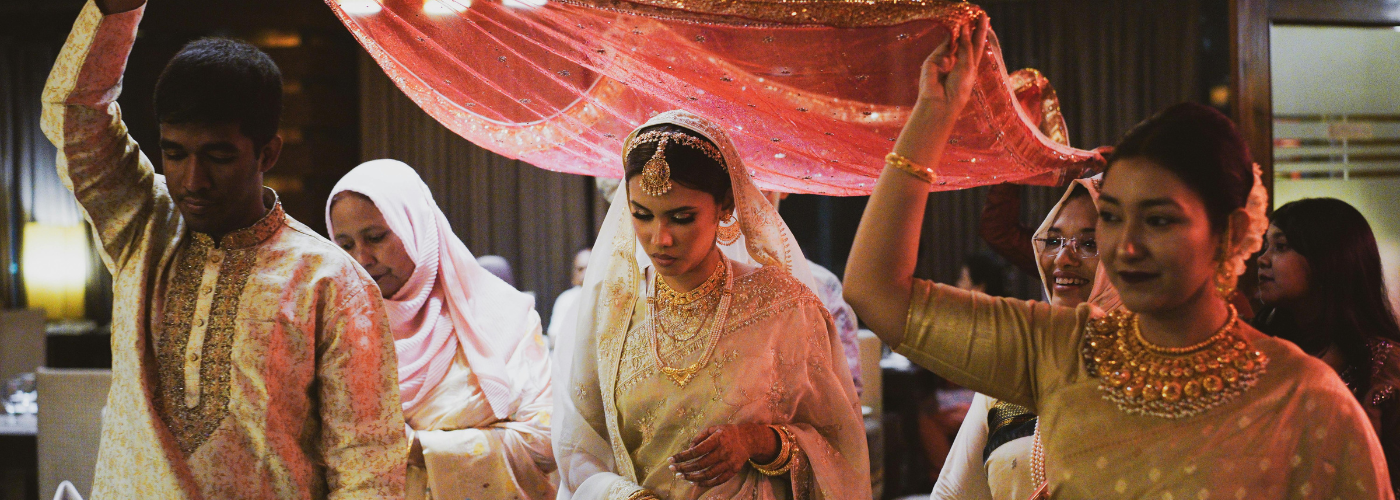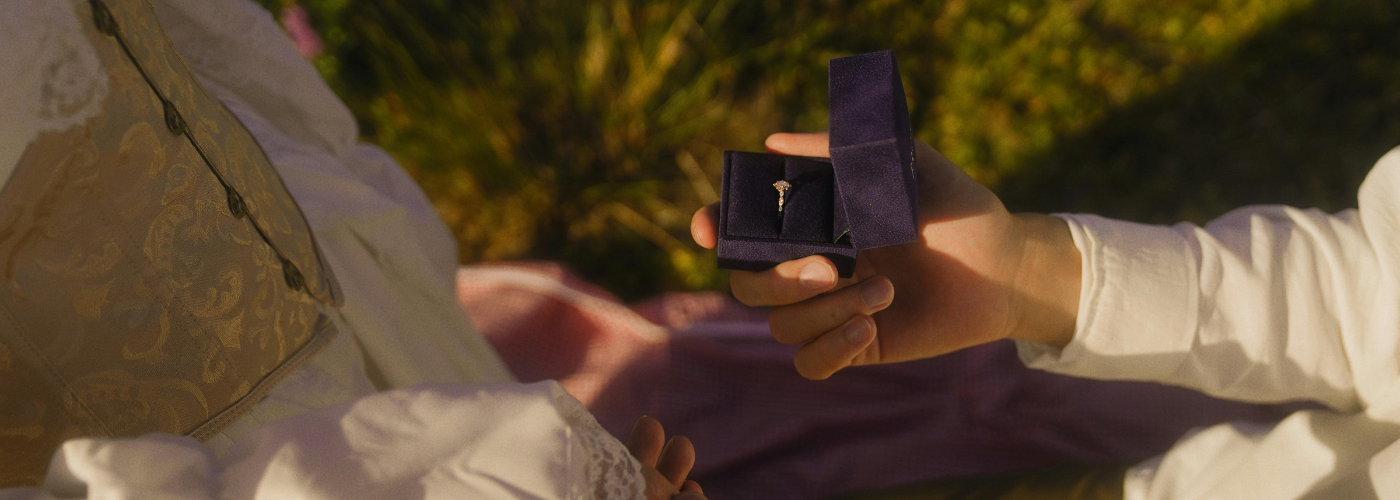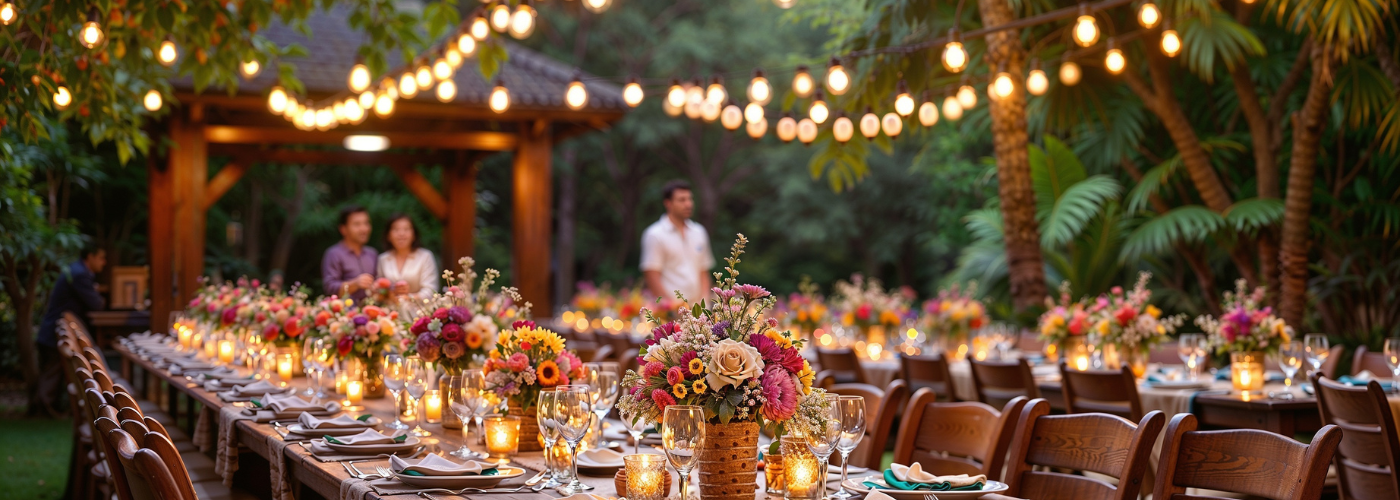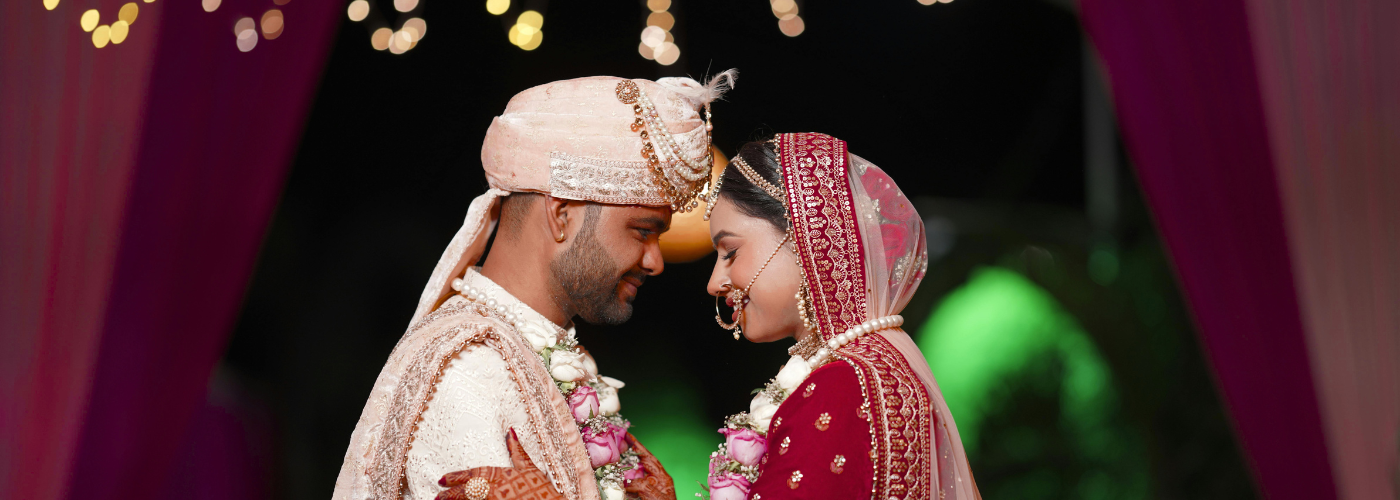
The South Asian wedding in the UK has never been a static thing. Each generation has inherited the traditions of the one before it and then quietly, sometimes not so quietly, reshaped them to fit its own values, its own financial reality, and its own sense of what a meaningful celebration looks like. The generation getting married in 2026 is doing this more visibly and more deliberately than any before it. The changes are not a departure from South Asian wedding culture. They are the latest chapter of it. This guide looks at the shifts that are actually happening, what is driving them, and what they mean for couples planning their own celebrations right now.
Smaller, More Intentional Guest Lists
The most visible change in South Asian weddings across the UK in the past five years is the steady reduction in guest list size. The 400-plus Walima that was the norm for families in the 1990s and 2000s is being replaced by events of 150 to 250 guests that reflect genuine relationships rather than community obligation. This is not happening because families have become less social or less generous. It is happening because the generation currently getting married has a different relationship to the concept of community obligation and a clearer sense of who they actually want in the room when they get married.
The financial logic is also a significant driver. At £30 to £40 per head for catering, the difference between a 400-guest Walima and a 200-guest one is £6,000 to £8,000 in catering alone before venue, decor, and every other category is considered. Couples who choose a smaller guest list are not cutting back. They are redirecting that budget toward a higher quality experience for the people who genuinely matter to them.
The conversation with parents about guest list size remains one of the most consistently challenging aspects of South Asian wedding planning in the UK. The expectation that community members, distant relatives, and family friends of the parents will be invited is not unreasonable from within its own cultural framework. But the couples who have this conversation early, establish clear criteria for the list, and involve both families in the decision-making process within those criteria are navigating it better than any generation before them.
The Couple Taking Ownership of Their Own Wedding
In the previous generation of South Asian weddings in the UK, the planning was largely managed by parents, particularly the parents of the bride, with the couple involved in decisions but not necessarily leading them. The 2026 picture is significantly different. Couples in their mid-to-late twenties and early thirties who are earning independently, living independently, and approaching marriage with a clearer sense of what they want, are leading their own planning processes in a way that is new.
This shift has practical implications. Couples are directly managing vendor relationships, building and maintaining budgets, making creative decisions about decor and format, and negotiating with both families about contributions and expectations. The tools available to support this, planning platforms, vendor directories, and structured booking processes, are more developed now than they have ever been, which makes independent planning genuinely viable in a way it was not ten years ago.
It also creates a new kind of tension in some families, where parents who expected to be primary decision-makers find themselves in a consultative role. The couples who navigate this most successfully are those who involve parents meaningfully in the decisions that matter to them, the guest list, the menu, the family traditions, while retaining ownership of the decisions that primarily affect the couple's own experience of the day.
The couples who navigate the shift to leading their own planning most successfully are those who involve both families at the right moments rather than either deferring entirely or planning in isolation. Being the decision-maker does not require being the only voice in the room.
A Stronger Emphasis on Islamic Values Alongside Cultural Ones
One of the most significant and least publicly discussed shifts in British South Asian Muslim weddings is the growing confidence with which couples are centring Islamic values in their celebrations without abandoning South Asian cultural identity. These two things have sometimes been presented as being in tension. The current generation is demonstrating consistently that they are not.
This shows up in specific ways. Couples choosing not to include elements at their celebrations that they consider incompatible with their faith, and doing so without apology or lengthy justification, is more common now than ten years ago. Couples making explicit decisions about simplicity, proportion, and the purpose of each event that are rooted in genuine values rather than in budget constraint is also more common. And couples investing in the quality and meaning of the Nikah ceremony itself, rather than treating it as the preamble to the Walima, reflects a reorientation toward the religious significance of the occasion that is increasingly visible across British South Asian Muslim communities.
This is not uniformly the case. South Asian wedding culture in the UK is not monolithic and the full range of approaches, from highly traditional and culturally focused to explicitly faith-centred to broadly secular, all remain present. But the direction of travel for the current generation leans toward a more confident integration of Islamic identity into the wedding celebration, and that is a genuine and meaningful cultural shift.
Quality Over Scale in Catering and Decor
The shift in guest list size is connected to a broader reorientation in how South Asian wedding budgets are allocated. Where the previous generation often prioritised scale, feeding the maximum number of people in the largest possible space, the current generation is more likely to prioritise quality within a more contained format.
This means a 180-guest Walima with exceptional food, a genuinely well-decorated stage, and an attentive catering team is increasingly seen as a more desirable outcome than a 400-guest event where the food is average and the decor is functional. The social signal has shifted: the wedding that is talked about positively in the community is no longer necessarily the largest one. It is the one where the guests were looked after best.
In decor specifically, the shift toward considered, curated aesthetics over comprehensive decoration is visible. The impulse to fill every surface, dress every table, and create a backdrop for every corner is being replaced by a more editorial approach: fewer, stronger visual statements that the photographer can do justice to and that guests actually experience rather than walk past without noticing.
The Rise of the Extended Celebration Programme
While guest list sizes are shrinking, the number of distinct events within a South Asian wedding programme is if anything expanding for some families. Where a Mehndi, Nikah, and Walima were the established three-event structure, many couples are now also hosting engagement parties, pre-wedding gatherings for close family, post-Walima brunches for immediate family, and in some cases separate events for the bride's and groom's sides of the family.
This expansion is partly driven by the desire for more intimate gatherings within a overall programme that feels rich and celebratory. A Walima of 180 guests leaves many people who are genuinely close to the family without an invitation. A smaller, more casual post-Walima gathering for the inner circle the following day solves that problem without inflating the main event to a size that compromises the quality of the experience.
The planning implications are real. More events means more vendor coordination, more budget allocation, and more logistics to manage. Couples who are expanding their programme in this direction need the planning infrastructure to match, which is exactly where tools that allow event-level organisation within a single account become genuinely valuable.
Photography and Documentation as a Cultural Priority
The emphasis on high quality photography and videography at South Asian weddings in the UK has grown consistently over the past decade and shows no sign of plateauing. The current generation of British South Asian couples has grown up with visual documentation of every part of their lives, and their expectations for the documentation of their wedding reflect that.
This is not purely aesthetic. For families where the wedding is one of the most significant events in the family's life in the UK, the photographs and film carry a weight that extends well beyond the couple themselves. They are shared across families in Pakistan, Bangladesh, and India who could not attend. They are kept by grandparents as among the most treasured items they own. They are the record of a family milestone in a way that goes beyond what a photograph means in a more individualistic cultural context.
That significance is reflected in how couples are budgeting for photography. The proportion of the total wedding budget allocated to photography is higher in South Asian wedding planning than in the broader UK market, and the emphasis on finding photographers with genuine South Asian wedding experience rather than general wedding photography skill is more pronounced than ever.
The Growing Market for South Asian Wedding Vendors
As the generation currently getting married has grown older and more professionally established, the market for South Asian wedding vendors in the UK has developed alongside it. A halal caterer who operated primarily through community word of mouth ten years ago may now have a professional online presence, a structured booking process, and a client base that extends beyond the immediate community. A bridal henna artist who learned her craft within the family may now run a professional studio with a national reputation.
This professionalisation of the South Asian wedding vendor market is a genuinely positive development for couples. More structured vendors means more accountability, better documentation of bookings, more reliable service, and more accessible information at the point of enquiry. It also means that the market is becoming more competitive, which benefits couples through better value and more choice.
The challenge is discovery. A professionalised South Asian wedding vendor who has an excellent track record within their community but limited online visibility beyond it remains hard to find for couples who are not already connected to the right networks. Platforms that aggregate this market and make it searchable are addressing exactly this gap, and their growing relevance reflects the maturation of the market they serve.
What Is Not Changing
For all the evolution in format, scale, and approach, there are elements of South Asian wedding culture in the UK that are not changing and show no signs of doing so. The importance of family. The centrality of food and hospitality. The significance of the Nikah as a religious and communal milestone. The role of the Mehndi as an occasion that brings women together around the bride in a way that has no equivalent in other wedding traditions. The Walima as an act of generosity and gratitude.
These are not changing because they are not trends. They are the foundations of the tradition, and the generation currently getting married in the UK, for all its independence and its willingness to reshape the surface of the celebration, is not interested in losing the substance of it. The changes happening in 2026 are about how the celebration is expressed, not about what it means.
Final Thoughts
The South Asian wedding in the UK in 2026 is more confident, more considered, and more genuinely personal than at any previous point in this community's history in Britain. The couples getting married now are the first generation to have grown up entirely in the UK, with the full cultural fluency of both their heritage and their environment, and they are using both to create celebrations that feel completely their own.
The trends described in this guide are not instructions. They are observations about a community in the act of evolving on its own terms. What they suggest for any couple currently planning is simply this: the permission to make deliberate choices about every aspect of your wedding, to hold firmly to the traditions that are genuinely meaningful to you and to release the ones that are not, has never been more present in this community than it is right now. Use it.