Every year brings a new wave of wedding trends, and every year the same question follows: which of these actually matter and which are fads that will look dated in three years? 2026 has a particularly interesting mix. Some of what is gaining traction in the UK wedding market right now reflects a genuine shift in how couples think about celebration: more personal, more considered, less driven by what looks good on social media and more by what feels right for the day. Other trends are attention-grabbing in theory but impractical or short-lived in reality. This guide covers the ones worth paying attention to and is honest about the ones worth ignoring.
A trend is useful information about what is popular. It is not a blueprint for your wedding. The most important filter for any trend is whether it fits your celebration, your values, and your budget — not whether it appeared on a list. Use this guide as inspiration, not instruction.
Trends Worth Watching in 2026
1. Bold, rich colour palettes replacing pale neutrals
For the past several years, UK wedding aesthetics have leaned heavily on blush, ivory, sage, and dusty rose. In 2026, many couples are now opting for vibrant colour palettes that create energy and personality within their wedding decor, with rich hues, layered textures, and dramatic floral displays becoming key visual features of modern celebrations. Deep emerald, burgundy, warm amber, and jewel-toned combinations are replacing the softer palettes that have dominated the past few years.
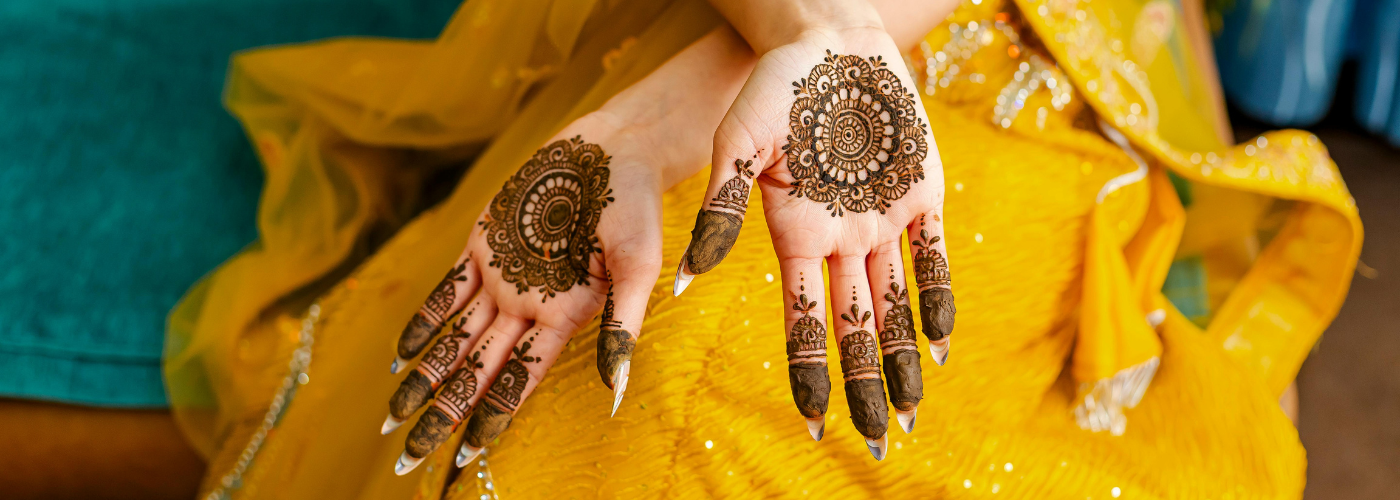
For South Asian couples, this shift is an open door. Bold colour has always been at the heart of South Asian wedding aesthetics, particularly at the Mehndi, where vibrant marigold yellows, pinks, and oranges set the visual tone. The mainstream move toward richer palettes means that South Asian styling sensibility is very much aligned with where the broader market is heading. If you have been tempted to go bolder with your colour choices, 2026 is the right moment to commit to it.
2. Sculptural florals and large-scale floral installations
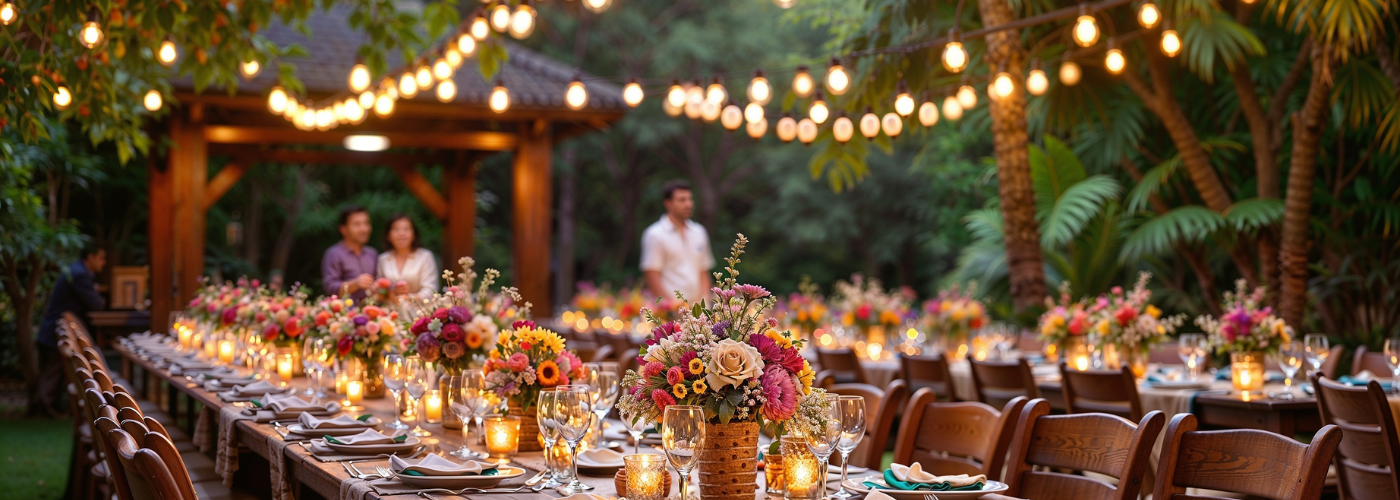
Wedding florals in 2026 are aspiring to be the main event in wedding venue styling, with flowers as installations rather than simply table centrepieces. Meadow-style aisles and sculptural displays are a fresh take on traditional arrangements, with texture mattering as much as colour. Cascading floral arches, ceiling installations, and large sculptural centrepieces are replacing the smaller, more contained arrangements that were standard a few years ago.
This trend translates well to both Mehndi and Walima settings. A large marigold installation at a Mehndi, for example, is both deeply traditional and entirely in step with where mainstream wedding floristry is heading. The key consideration is budget: large floral installations are expensive, particularly with fresh flowers. High-quality artificial florals are a growing and widely accepted alternative that delivers the same visual impact at a fraction of the cost and without the wilting risk.
3. Documentary and authentic photography
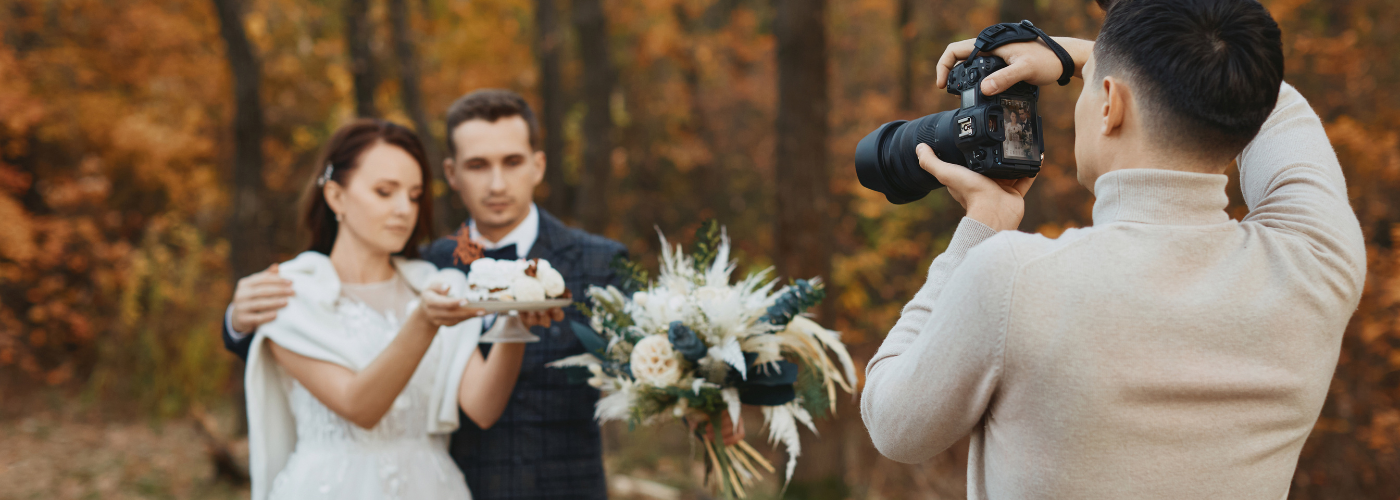
The posed wedding photo is gradually giving way to candid, documentary-style photography: real moments, emotions, and movement. Couples are increasingly prioritising photographers who can capture the genuine texture of a day over those who produce heavily staged, editorial-style images that look more like a styled shoot than a real wedding.
This is one of the strongest and most durable shifts in wedding photography, and it has real implications for how you brief your photographer. If you want this style, say so explicitly and ask to see full galleries from complete weddings rather than highlight reels, which will show you whether a photographer's candid work is as strong as their posed shots. For South Asian weddings in particular, where the emotion of the Nikah and the warmth of the Walima stage session offer powerful documentary moments, this approach can produce genuinely extraordinary images.
4. Intentional, experience-led guest moments
While large weddings remain popular, many couples are choosing more intimate celebrations that prioritise meaningful connections and quality time with guests. More broadly, the focus is shifting from what the event looks like to how it feels for the people in the room. Live calligraphers, audio guestbooks where guests record a message for the couple, interactive henna stations, and curated chai and dessert experiences are all examples of this shift in action.
For South Asian weddings, this trend is particularly well-suited. The Mehndi already has the interactive henna element at its heart. Building on that with a live calligraphy station, a styled photo moment, or an audio guestbook adds layers of engagement that guests remember long after the food has been forgotten. These additions are also relatively low-cost compared to their impact, making them excellent value for couples working within a budget.
5. Multiple outfits and considered bridal fashion
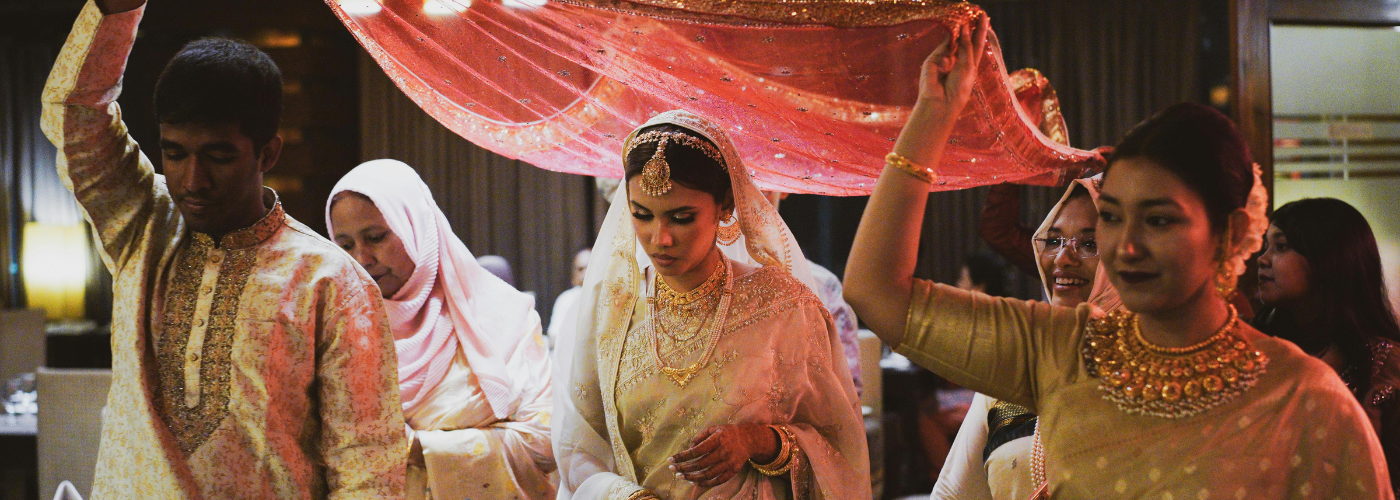
Bridalwear continues to evolve beyond a single traditional gown, with many couples planning multiple outfits across their wedding celebrations. For South Asian couples hosting a Mehndi, Nikah, and Walima, this is already the established norm, with a different outfit for each event. What is interesting in 2026 is that this approach is becoming standard across the wider UK wedding market, which means the logistics, the planning timeline, and the budget considerations that South Asian couples have always managed are now relevant to a much broader audience.
Within South Asian bridal fashion specifically, the 2026 direction points toward more considered and personal outfit choices: deeper jewel tones for the Nikah, brighter and more vibrant colours for the Mehndi, and a formal but personal look for the Walima. The combination of traditional silhouettes with modern fabric choices and minimal accessorising is producing some of the most striking bridal looks in the South Asian wedding space right now.
6. Smaller, more curated guest lists
The days of inviting every distant relative are fading. In 2026, many couples are curating a guest list of their nearest and dearest, with smaller, more intimate weddings allowing couples to truly connect with their loved ones. This is not universally the right approach for South Asian families, where guest counts in the hundreds reflect genuine community relationships and cultural expectations. But for couples who have the flexibility to choose, a smaller, more focused Walima or Nikah often produces a more meaningful experience for everyone present, at a significantly lower cost.
7. Sustainable and considered decor choices
Eco-conscious wedding choices are no longer positioned as a trend — they are simply expected. Reusable decor, high-quality artificial florals used instead of cut flowers, sustainable stationery, and locally sourced catering are all gaining ground in the UK wedding market. For budget-conscious couples, the sustainability angle and the financial sense often point in the same direction: reusable centrepiece elements, digital invitations, and artificial flower installations that can be used across multiple events rather than discarded after one all reduce cost as well as waste.
Trends to Skip in 2026
Over-styled, trend-heavy weddings
Perhaps the strongest thread running through 2026 is authenticity. Rather than focusing on staging a perfect wedding, couples want a day that is bespoke and genuinely their own. The counter-trend to all the individual trends listed above is simply this: the weddings that feel most memorable are the ones that feel most like the couple. Incorporating five or six visible trends into a single wedding in an attempt to feel current is exactly the opposite of this direction. Pick one or two things that genuinely resonate and let them be expressed well, rather than trying to execute everything that appeared on a 2026 trends list.
Drone footage as a standard addition
Drone footage has become a popular add-on to wedding videography packages in the UK, and it looks spectacular for countryside venues with wide-open landscapes. For most urban venues, community halls, and banqueting spaces used by South Asian couples in UK cities, drone footage adds cost without meaningful return. The aerial perspective that makes drone content compelling requires a setting that is visually interesting from above. A car park outside a Birmingham banqueting hall is not that setting. Spend the money on better coverage of what happens inside instead.
Hyper-personalised details that guests never notice
Personalisation is a genuine and worthwhile trend. Personalisation taken to the point of spending significant money on details that guests will not see, remember, or appreciate is something else. Custom wax seals on envelopes that guests discard immediately, branded matchboxes that go home and are never opened, and elaborate favour packaging that costs more than the favour itself are all examples of a good instinct taken too far. Direct that budget toward the food, the photography, or the decor that guests will actually experience.
Trends borrowed from a completely different aesthetic
The "heritage elegance" or "Bridgerton effect" trend that has dominated mainstream UK wedding aesthetics for the past two years, characterised by corsetry, Regency silhouettes, chandeliers, and soft pastel florals, is beautiful in the right setting for the right couple. For South Asian weddings, where the visual language is built around rich colour, intricate embroidery, and cultural specificity, borrowing heavily from a trend rooted in a different aesthetic tradition often produces a result that feels neither one thing nor the other. Your wedding's visual identity is stronger when it is rooted in what is genuinely yours rather than what happens to be trending in a context that was never yours to begin with.
What Ties the Best Trends Together
Looking across the trends gaining real traction in 2026, the common thread is not a particular aesthetic. It is a particular attitude. The couples who are producing the most memorable weddings right now are the ones who are making deliberate, personal choices rather than assembling a wedding from the current trend list. Bold colour because it genuinely reflects who they are. Sculptural florals because flowers matter to them. Authentic photography because they want the day documented honestly. A smaller guest list because they want the room to feel full of people who genuinely matter.
For South Asian couples in the UK, this direction is natural. The Mehndi, the Nikah, the Walima: these events already carry their own visual identity, their own emotional weight, and their own deeply personal significance. The most contemporary thing you can do with them is to express that identity clearly and confidently rather than looking sideways at what the mainstream market is doing and trying to fold it in.
Final Thoughts
Trends are most useful as a prompt to think about what you actually want, not as a list of things to incorporate. The best weddings of 2026 will not be the ones that executed every trend on this list. They will be the ones that had a clear point of view, made deliberate choices, and created an experience that felt completely and unmistakably like the couple at the centre of it.
Use 2026's direction toward authenticity, bold colour, and experience-led celebration as permission to be exactly that. The trend that will never go out of style is a wedding that feels genuinely yours.