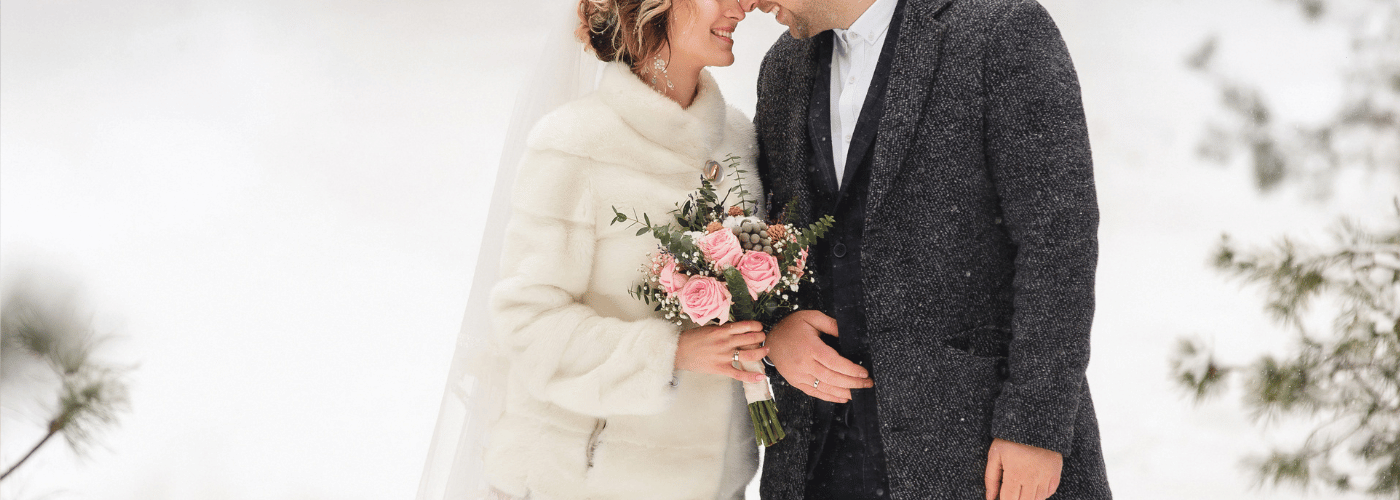
Winter weddings are consistently underrated. While most couples rush to secure spring and summer dates, those who choose November through February often end up with a calmer planning experience, more attentive vendors, better venue availability, and a day that feels genuinely intimate rather than rushed. The trade-offs are real and worth planning for. But so are the advantages.
This guide covers everything a couple needs to consider when planning a wedding in the cooler months in the UK, from photography timing and guest comfort to decor choices and the practical logistics that make winter events run smoothly.
Vendor Availability and Flexibility
Winter falls entirely outside peak wedding season in the UK, which runs from May through September. In practical terms, this means the suppliers you most want, the experienced caterer who is booked solid every summer Saturday, the photographer whose work you have followed for two years, the decor company that does the most beautiful stage setups, all of them have more time and more availability in winter.
You are more likely to get your preferred date confirmed quickly. You are also more likely to receive more personalised attention throughout the planning process because your supplier is not managing eight weddings that weekend. Some vendors offer reduced rates for off-peak bookings, though this varies by category and region. Even where the price stays the same, the quality of service and the time spent on your event often increases simply because demand is lower.
For South Asian couples planning events that span multiple days, winter availability makes it significantly easier to secure the same core team for the Mehndi, the Nikah, and the Walima without having to work around conflicting bookings.
Venues That Feel Comfortable All Day
In summer, venue comfort is about shade, ventilation, and managing heat for elderly guests and children. In winter, the challenge reverses and it becomes considerably simpler to solve. A well-heated indoor venue with clear covered access from the car park is all most guests need. The logistics of keeping 200 people comfortable in cold weather are less complex than keeping the same number comfortable during an August heatwave.
Indoor venues, heated marquees with proper flooring and sidewalls, estate function rooms, and community halls all perform well in winter. The key checks are heating capacity relative to guest numbers, covered walkways from parking to the entrance, and whether the venue has enough space for coats. Guests arriving in winter layers need somewhere sensible to leave them without the entrance becoming cluttered.
When visiting a venue for a winter date, ask the venue manager to turn the heating on during your site visit. A space that looks warm in photographs can feel cold and echoey in practice. Testing this before you commit saves a very unpleasant surprise on the day.
Photography and Daylight Planning
Daylight is the single most important practical constraint for winter wedding photography. In December, usable natural light in the UK typically runs from around 8am to 3:30pm. By 4pm it is dark. This is not a reason to avoid winter photography, it is simply a reason to plan deliberately around it.
Schedule your ceremony and formal family portraits to take place during the core daylight window, ideally between 11am and 2pm. Speak to your photographer well in advance about the specific light conditions for your venue and date. A good photographer will know exactly what is achievable and will plan the shot list to work with the available light rather than against it.
One of the genuine advantages of winter photography is the quality of the light itself. The lower sun angle creates warm, directional light that flatters faces and produces a distinctly different aesthetic to summer photography. Candid shots taken inside under warm artificial light also tend to have a rich, atmospheric quality that many couples find more striking than outdoor summer images.
Guest Comfort Is the Priority
Winter guests need specific consideration at every transition point during the day. The moments that most often cause discomfort are arrival (cold, dark, navigating an unfamiliar car park), the gap between ceremony and meal (nowhere warm to wait if the room is being dressed), and departure late in the evening (coats, keys, cold cars).
Address each of these directly in your plan. Have a greeter at the entrance with clear directions and lighting. Ensure there is a warm space available during any gaps in the schedule. Provide a simple hot drink station, whether that is a chai table, a hot chocolate setup, or a flask of warm water for herbal tea, so guests always have something warming to hold. Assign someone to manage the entrance area and assist elderly guests from the car park to the door.
For families with young children, a quiet, warm room with a few simple comforts makes a significant difference to how parents experience the day. It is a small detail with a large impact on how those families remember your wedding.
Decor and Design Advantages
Winter decor is naturally well-suited to elegance. Candles, warm amber lighting, neutral florals, soft draped fabrics, and deep rich tones all work together in a way that feels effortless in cooler months and would feel forced in summer. The palette of deep reds, burgundy, navy, ivory, and gold that suits South Asian wedding aesthetics particularly well photographs beautifully under warm indoor lighting.
Battery-powered candles placed throughout the room create a sense of warmth without the safety and venue management concerns of open flames. Fairy lights strung across ceiling drapes or along table centrepieces add softness and depth to the overall look at very low cost. For sheltered outdoor photo corners, a covered arch or pergola structure with simple greenery and warm lighting creates a strong backdrop even after dark.
One practical advantage of winter decor is the ability to reuse elements across multiple events. Neutral, warm-toned arrangements travel well from a Mehndi to a Nikah to a Walima without feeling recycled, which reduces overall decor spend across the full wedding.
A warm chai table or hot chocolate station set up near the entrance creates an immediate sense of welcome the moment guests step out of the cold. It costs very little to set up and is one of the most consistently praised touches at winter weddings.
Outfits and Fabric Choices
Winter is one of the rare occasions where practical and beautiful align naturally for wedding outfits. Heavier fabrics such as velvet, raw silk, and brocade suit the season and look rich under warm lighting. For brides, longer sleeves and layered designs are both stylish and genuinely comfortable in cold venues. Shawls and stoles in complementary fabrics add flexibility for moving between warm and cooler spaces.
Deep jewel tones photograph particularly well under the warm amber lighting typical of winter venues. Ruby reds, forest greens, midnight blues, and burnished golds create images with a depth and richness that lighter pastel tones in summer light do not always achieve. For guests, share the venue heating situation clearly in advance so they can dress appropriately and arrive without being caught out by an unexpectedly cold entrance or car park.
Food and Service Flow
Winter menus naturally tend toward warmth and richness, which aligns well with the expectations of guests who have arrived in cold weather. Hot starters, warming soups, freshly made dishes, and rich main courses feel genuinely appropriate rather than incongruous. Caterers working in the off-season also tend to have more time to accommodate specific requests and fine-tune service timings.
Plan the food service flow carefully to avoid long cold gaps between courses. A well-timed buffet or plated service keeps guests comfortable and satisfied throughout the event. Confirm with your caterer exactly how they manage the hot-hold and service sequence for your guest count, and build in a small buffer in the timeline for the inevitable small delays that affect every event.
Transport and Timing Checks
The logistics of moving guests and suppliers around in winter require a little more thought than in summer. Early sunsets mean that any outdoor transitions after 4pm happen in the dark, so lighting on pathways, car park routes, and entrance areas matters considerably more than it would for a summer event.
If suppliers or guests are travelling from outside the local area, build in buffer time for weather-related delays. Check the venue's arrangements for gritting paths and car parks in cold or icy conditions. Confirm that the venue can accommodate slightly earlier supplier access if needed to allow for a longer setup window before guests arrive.
The Wider Advantages of Choosing Winter
Beyond the practical benefits, winter weddings carry a distinctive atmosphere that is difficult to replicate at any other time of year. Guests are not rushing between three other weddings across the same weekend. Vendors are not exhausted from back-to-back bookings. The pace of the day is naturally calmer, and the focus of everyone present is more fully on the occasion itself.
Families travel less urgently and stay longer. Conversations run deeper. The intimacy that couples hope for at summer weddings, but which is often diluted by the busyness of peak season, tends to arrive more naturally in winter simply because there are fewer competing demands on everyone's attention.
If you are considering a winter date and are hesitant only because it feels unconventional, this is worth revisiting. The practical advantages are real, the aesthetic possibilities are strong, and the experience for guests is consistently remembered with warmth. Plan carefully for the season-specific challenges covered in this guide and a winter wedding will be one of the most considered and memorable days you could offer your family and friends.