Some of the most memorable details at a wedding are not the ones that cost the most. They are the ones that show someone took time. A handwritten card, a thoughtfully arranged table detail, a sign that reflects the couple's personality rather than a generic template. These touches work across every type of celebration, from an intimate Nikah to a large multi-day wedding, and most of them cost well under £25 each to make. This guide covers eight practical DIY ideas that look genuinely elegant, with clear guidance on what you actually need and how each one works in practice.
The most effective approach is to dedicate one or two focused afternoons to making several items at once rather than doing each one separately across different weeks. Batching keeps your materials organised, makes the results more consistent, and is far less stressful than cramming everything into the week before the event.
Painted Welcome Signs
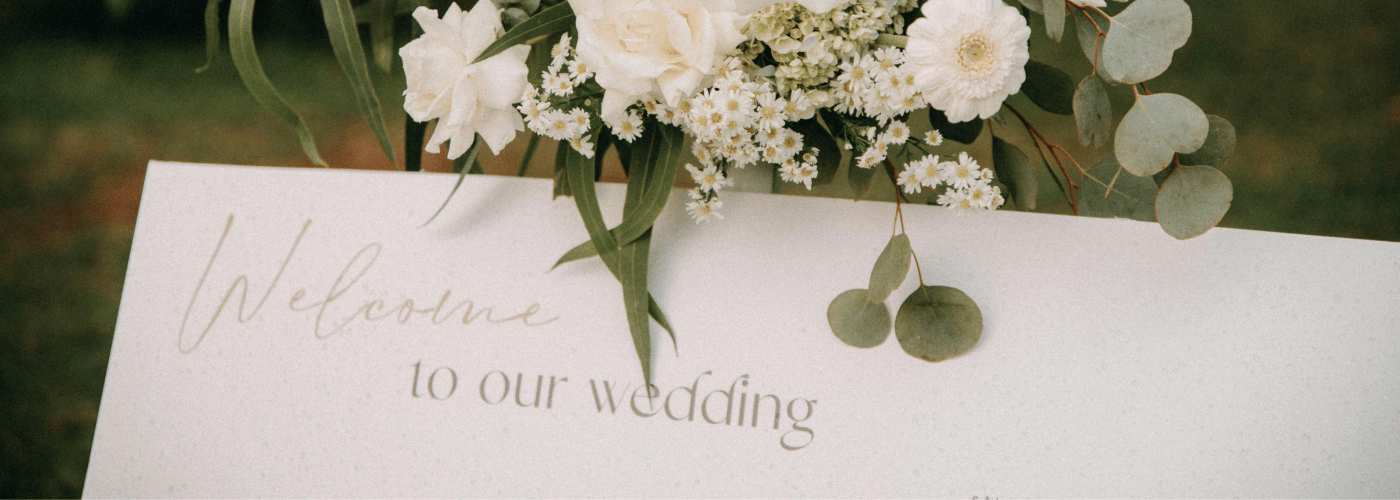
A canvas welcome sign at the entrance to your venue is one of the simplest DIY projects and consistently one of the most appreciated. Guests notice it immediately and it sets the tone for the whole event before they have even found their seats.
- What you need: A blank canvas (A2 or A3 size works well), a small set of acrylic paints, and a fine-tip brush. Total cost is typically between £8 and £15 depending on canvas size.
- What to put on it: Your names and the event date are the minimum. A short phrase, a line of prayer, or a word in Arabic or Urdu adds a personal and meaningful touch for South Asian and Muslim weddings.
- Colour guidance: Brighter tones work well for Mehndi events where the atmosphere is more celebratory. Soft neutrals and golds suit Nikah ceremonies and receptions where the aesthetic tends to be more formal.
If freehand painting feels intimidating, print a design at home and trace it lightly onto the canvas in pencil before painting over it. The result looks hand-painted because it is, and no one will know the pencil guide was there.
Minimalist Table Numbers
Clean, modern table numbers cost almost nothing to make but have a significant impact on how organised and well-considered your event looks to guests.
- Cardstock approach: Print or hand-letter numbers on thick cardstock cut into consistent sizes. Place them in small clip holders or fold them into standing tents. Under £5 for a full set of 20.
- Mini frame approach: Small clip frames are widely available and inexpensive. Insert a printed or hand-lettered number card into each one. The frame adds weight and polish without adding much cost.
- Acrylic sheet approach: Small acrylic sheets with painted or pen-drawn numbers look contemporary and pair well with minimalist table decor. Slightly higher cost but reusable across multiple events.
Handwritten Guest Message Cards
A guestbook is traditional but not everyone wants one. A stack of small message cards placed on each table with a simple written prompt is a more relaxed and often more personal alternative. Guests write when they feel moved to, not because someone hands them a book and waits.
- The prompt matters: "Share a prayer, a blessing, or a message for the couple" works well across all backgrounds and invites something more meaningful than just a signature.
- Keep a small basket or bowl on each table for guests to place completed cards. Assign someone to collect them before the end of the night.
- Cost: A pack of blank notecards or cardstock cut to size costs between £3 and £8. These become keepsakes that most couples return to for years.
DIY Favour Bags
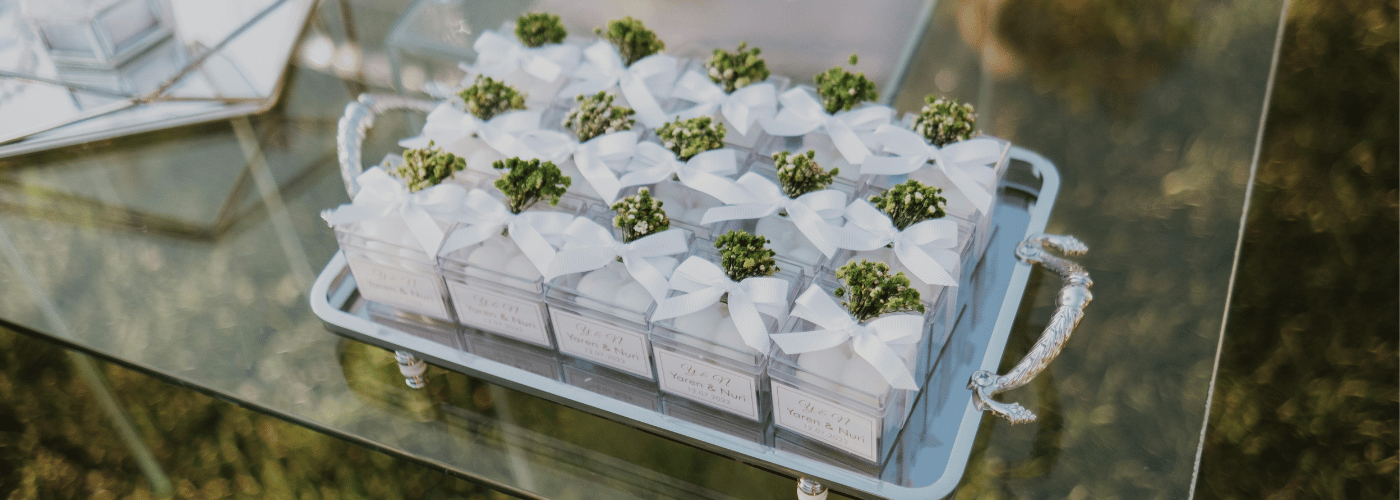
Favour bags done well feel generous and personal. Done poorly they feel like an afterthought. The difference is almost always in the filling and the presentation, not the cost.
- Bags: Small fabric drawstring bags or clear cellophane bags both work well. A pack of 50 typically costs between £5 and £10.
- Filling: Dates, wrapped chocolates, or small sweets are all popular choices that work across different guest preferences. Avoid anything with uncertain ingredients if your guest list is diverse.
- Finishing: A simple ribbon tie in your event colour and a small tag with the couple's names and date takes each bag from generic to personalised. The tags can be printed at home on cardstock and cut with scissors.
Candle Clusters
Three to five pillar candles grouped at different heights on a table create warmth and depth in any venue. This is one of the easiest table styling decisions available and one of the most effective.
- Height variation is key: Use candles of two or three different heights grouped together rather than identical ones. The variation makes the arrangement look intentional and styled rather than placed.
- Glass jars or small vases from around the house can frame the cluster without adding cost. Wrap them in ribbon or twine to match your colour palette.
- Unscented candles are the better choice for event spaces with food, particularly when guests include elders or children who may be sensitive to strong fragrance.
If you are hosting a Mehndi, Nikah, and Walima across different days, most DIY decor items can be reused across all three with minor adjustments to colour or arrangement. Making a set of candle clusters once and reusing them three times means the per-event cost is effectively under £10.
Personalised Ceremony Booklets
For Nikah ceremonies in particular, a simple printed booklet or card that outlines the order of the ceremony adds clarity and structure for guests who may be unfamiliar with the proceedings. It is also a thoughtful keepsake for those who want to keep it.
- Keep the design clean: A simple A5 folded card with the couple's names, date, and a brief outline of the ceremony order is all that is needed. Avoid overcomplicating the layout.
- Include a short dua or prayer if appropriate for your ceremony style. This adds meaning and gives guests something to follow along with during the Nikah.
- Printing cost: Home printing on quality card paper costs very little. An online print supplier can produce 50 folded booklets for under £15 if you prefer a professional finish.
Fabric Ribbons as a Styling Tool
Ribbon is one of the most versatile and underused DIY tools in wedding styling. A single spool of high-quality ribbon costs between £3 and £8 and can be used across multiple elements of your event to create visual cohesion without a large decor budget.
- Bouquet stems: Wrap stems in ribbon and secure with a pin. A simple velvet or satin ribbon immediately elevates a hand-tied bouquet or a simple floral arrangement.
- Favour bags: A ribbon tie in your event colour turns a plain bag into a finished detail.
- Chair backs: Tied to the back of chairs at the top table or ceremony seats, ribbon adds a deliberate styled element to spaces that can otherwise look bare.
- Signage and frames: A small ribbon bow on the corner of a welcome sign or around a table number frame connects individual elements across the room.
DIY Place Name Cards
Place name cards tell guests exactly where to sit and remove the uncertainty at the start of a seated event. They also show that the seating arrangement was thought through, which guests appreciate even if they never say so.
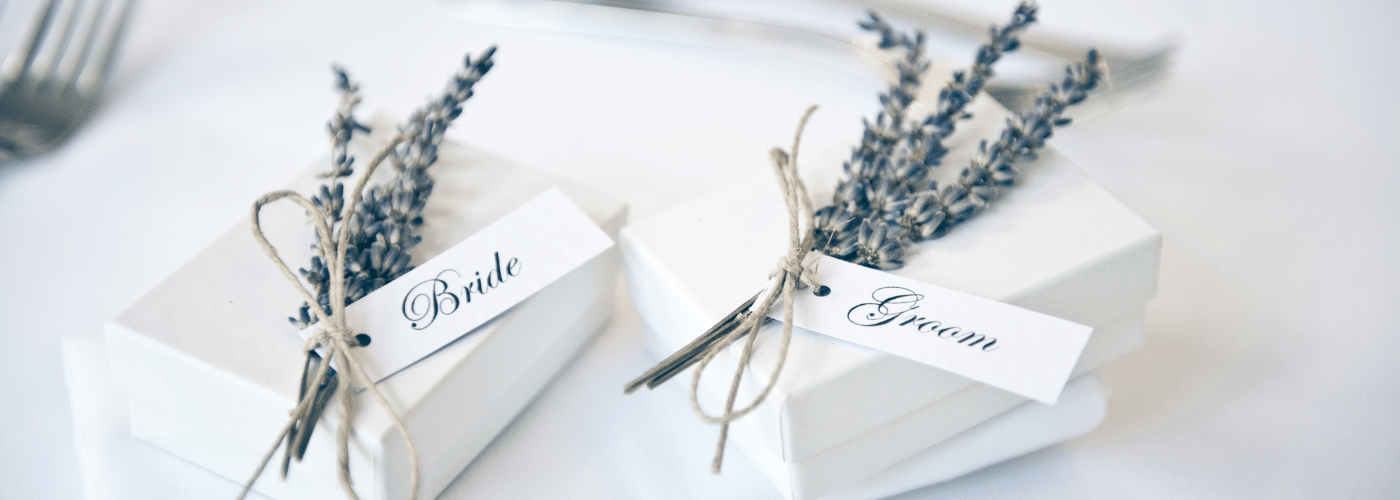
- Folded cardstock cards printed or hand-lettered with each guest's name are the simplest version. A clean font and your event colour is all that is needed.
- Flat leaf or petal cards made from thick paper cut into simple shapes look distinctive without requiring any specialist tools.
- Small wooden clip pegs holding a card on each place setting add a tactile, natural element that works well for garden events or more relaxed receptions. A pack of 50 costs under £5.
Final Thoughts
The DIY details that make the strongest impression at weddings are not the most complex ones. They are the ones that feel considered. A handwritten card, a ribbon that matches the colour of the flowers, a sign that uses the couple's names in their own handwriting. These things cost almost nothing individually. Together they shape how the whole event feels to the people in the room.
The key is giving yourself enough time to make them without rushing. Plan your DIY sessions early, batch the work across a couple of focused afternoons, and keep your materials together in one box so nothing gets lost in the weeks of planning that surround them.