A marquee wedding gives you something almost no hired venue can: a blank space that becomes exactly what you want. You choose the size, the layout, the lighting, the stage, the kitchen position and the guest flow, and you are not bound by a venue's finish times or catering rules. It is also why marquees are so popular for South Asian weddings, where large guest lists, specific food requirements and long, multi-part days rarely fit neatly into a standard hall. But a marquee is also a small construction project, and the couples who enjoy theirs are the ones who understood that from the start.
This guide covers the whole process: what a marquee wedding really involves, what it costs, what permissions and safety points to check, how to plan the layout and the practical extras that people forget until it is too late. It is written for UK couples, with South Asian celebrations in mind, but applies to any large marquee event.
What Is a Marquee Wedding?
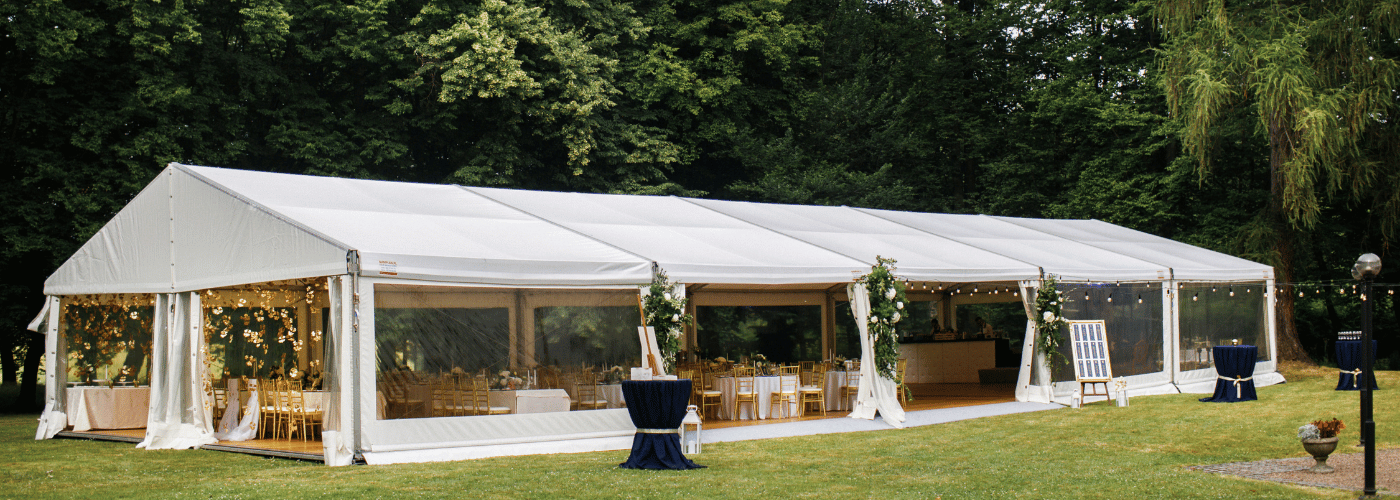
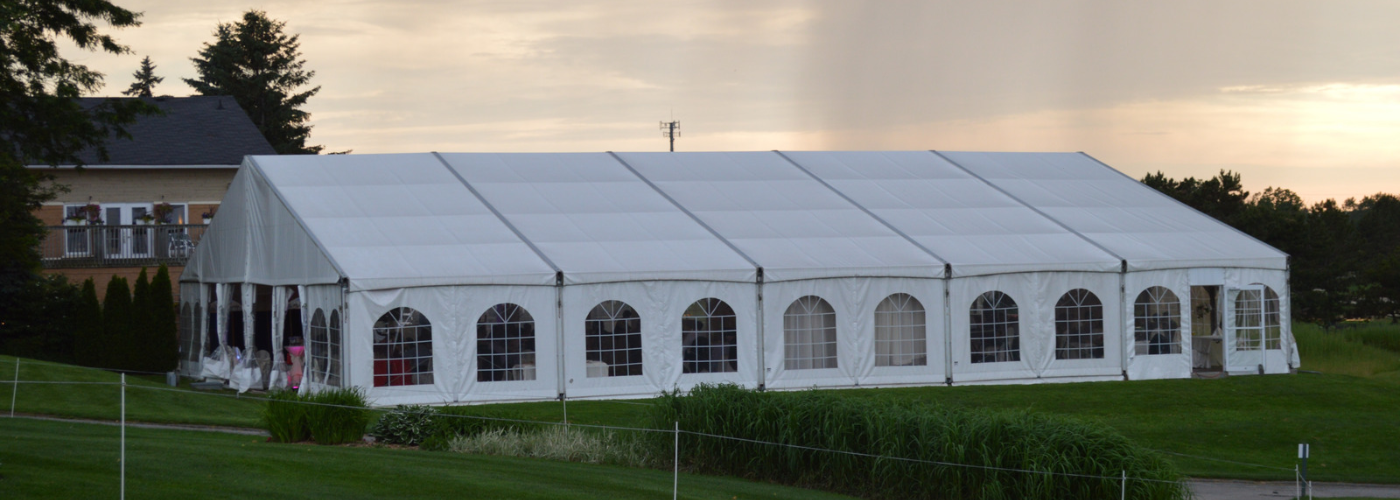
A marquee wedding is held in a temporary structure, usually erected in a private garden, on a field, at a farm or on land belonging to a venue. The structure is typically a frame marquee or a traditional pole tent, supplied and built by a specialist hire company. Frame marquees, which use an aluminium frame and no internal poles, are the most common for weddings because they give an open, uninterrupted floor.
Marquees can be a single space for everything, or a set of connected structures. A couple might have one large marquee for dining and the stage, and a smaller one for a reception area, a prayer space, a bridal suite or a catering kitchen. Linked structures give flexibility, but also add cost and complexity.
Why Couples Choose a Marquee
- Space for a large guest list. Marquees can be sized to your numbers, which suits weddings of two hundred guests or more.
- Control over the day. You decide start and finish times, the catering approach and the layout, within the limits of your site and local regulations.
- Freedom with food. Your own halal caterer can set up a dedicated kitchen area, without the restrictions some venues apply to outside catering.
- A personal setting. Holding the wedding at home or on family land adds meaning for many families.
- Potential value. Depending on your site and numbers, a marquee can cost less than a large hired venue, although the extras need to be counted carefully.
What a Marquee Wedding Really Costs
Marquee prices vary widely by region, size, season, site access and what is included. As a broad planning range, many UK couples find that hire and basic fit-out for a mid-size wedding falls somewhere between £3,000 and £12,000 or more, and larger or more elaborate set-ups can go well beyond that. Treat these figures as a starting point for conversations, not a quote.
The headline hire price rarely covers everything. Ask each supplier for an itemised written quote that shows what is included. Common line items include:
- The marquee structure itself, priced by size and number of bays
- Flooring, which can range from basic matting to full raised, solid flooring
- Interior lining and ceiling drapes
- Lighting, including festoon, uplighters and chandeliers
- Heating or cooling, which is a significant cost in winter
- Tables, chairs, linens and chair covers
- Stage and entrance structures
- Generators and power distribution
- Toilets, either luxury trailers or portable units
- Delivery, build, strike, and any site restoration
Two marquee quotes can look very different because one includes flooring, lining and lighting and the other does not. Always ask for the full list of inclusions before deciding which is better value.
Check Your Site and Permissions First
Before booking anything, make sure your chosen site can actually host a marquee. This is the step most often skipped, and it is the one that can cause the biggest problems.
- Space and access. You need a flat, stable area large enough for the structure plus room for catering, toilets, parking and access for delivery vehicles.
- Ground conditions. Soft or sloping ground may need levelling or specialist flooring. Your supplier should visit the site and advise.
- Underground services. Drains, pipes or cables can affect where pegs and stakes can go.
- Planning rules. Temporary structures are often allowed for a limited number of days a year, but rules vary by location and land type. Check with your local council before you commit, particularly for larger or longer events.
- Licensing and insurance. Depending on the event and the site, there may be licensing or insurance requirements. Ask your local authority and your suppliers what applies.
- Neighbours and noise. Letting neighbours know in advance avoids complaints and helps relationships.
- Land owner permission. If the site is not your own, obtain written consent from the owner.
Rules differ across England, Wales, Scotland and Northern Ireland, so take advice for your specific location. This guide is general information and not legal advice.
Safety and Fire Considerations
A marquee is a temporary building full of people, power and heat, so safety needs deliberate attention. Reputable suppliers should be able to explain their approach clearly.
- Fire-retardant materials. Ask whether the marquee and linings meet the relevant fire safety standards, and request evidence.
- Exits and routes. Clear, well-lit exits and a layout that does not block them are essential, especially with large guest numbers.
- Cooking arrangements. Catering equipment should be positioned and ventilated safely, ideally in a separate structure or area away from the main guest space.
- Electrics. Power should be installed and tested by competent professionals, with safe cable routing.
- Anchoring. Structures need to be secured properly for the ground and expected weather conditions.
- Public liability insurance. Check that your suppliers hold it and ask what it covers.
Sizing and Layout
Size is the decision that affects almost everything else, from cost to comfort. A marquee that is too small leads to cramped tables and slow service. One that is too large wastes money and can feel empty. Your supplier will advise on size based on your guest count and layout, and our dedicated guide to choosing the right marquee size covers the detail. In summary, consider:
- Seating style. Round tables take more space than long banquet tables, but suit the way many families prefer to sit together.
- Stage and couple's seating. A raised stage or sofa area needs its own footprint and good sightlines from the tables.
- Buffet or service lines. Buffet stations need generous space on both sides so guests can queue without blocking tables.
- Separate seating areas. Many South Asian weddings arrange men's and women's seating, or family sections, with clear routes between them.
- Circulation space. Leave wide aisles for elders, wheelchairs and staff carrying hot food.
- Extra rooms. Consider a quiet prayer space, a bridal preparation area, a baby-feeding space and a coat area.
Catering and Kitchen Setup
One of the biggest advantages of a marquee is the freedom to choose your own caterer, but the kitchen needs planning. Your caterer will usually need a separate catering tent or a dedicated area, with water, power, ventilation, hand washing, refrigeration and waste management. Ask them early about their requirements so you can include them in your site plan and your supplier's quote.
For weddings serving large numbers of guests, confirm how food will be kept hot, how service lines will operate and how elders and guests with dietary needs will be served. If your caterer has not worked in marquees before, discuss the logistics carefully. Our guide to choosing the right wedding caterer has the questions to ask.
Power, Lighting and Toilets
These three are the most commonly under-planned elements of a marquee wedding, and the ones guests notice if they go wrong.
- Power. Work out the total load for lighting, catering equipment, heating, sound and any other equipment. Most couples need a generator, and the supplier should size it properly and provide a safe distribution layout.
- Lighting. Warm, layered lighting transforms a marquee. Ceiling drapes with fairy lights, uplighters and a well-lit entrance can create atmosphere at a modest cost.
- Toilets. Your guests need adequate, clean, well-lit facilities, including accessible options. Consider luxury toilet trailers rather than basic portable units, and plan separate provision for men and women where appropriate, with enough units for your numbers.
Flooring, Heating and the British Weather
British weather is the factor couples worry about most, and rightly so. A well-prepared marquee can be comfortable in almost any conditions, but only if it is planned for them.
- Flooring. Wet or uneven ground can make a marquee uncomfortable and unsafe. Proper flooring, from matting to solid raised floors, makes a major difference and is worth prioritising.
- Heating. For a winter or autumn wedding, heating is not optional. Ask your supplier about heater size, fuel, noise and safety, and plan for the cold in entrances and toilets as well.
- Ventilation and cooling. In summer, marquees can become very hot. Side panels, ventilation and cooling options matter.
- Rain and wind. Ask how the structure is anchored, what the wind limits are and how guests will move between car parks, toilets and the marquee without getting soaked.
- Covered walkways. A simple covered route from parking to the entrance is a practical, appreciated detail.
If you are considering a winter date, read our guide to planning a winter wedding, and see our backup plan for rain for contingency ideas.
Decor, Stage and Styling
A marquee starts as a blank canvas, which is both its appeal and its challenge. Decide your overall look early and share it with your marquee supplier, decor vendor and florist so they can work together.
- Choose the lining, drapes and floor colour to suit your palette
- Invest in the entrance and stage, the most photographed areas
- Use lighting to create warmth, instead of filling the space with objects
- Keep table decor simple, so that food service is not obstructed
- Plan for how arrangements and structures will be moved between events if you are hosting more than one
Your Marquee Wedding Timeline
- 9 to 12 months before: confirm your site, check permissions and request quotes from marquee suppliers.
- 6 to 9 months before: book your marquee, caterer and key vendors, and sign written agreements.
- 3 to 6 months before: arrange a site visit with your supplier, finalise layout and book toilets, power and heating.
- 2 to 3 months before: confirm guest numbers, seating plan, decor and delivery schedules.
- 2 to 4 weeks before: notify neighbours, confirm access and parking, and finalise a day-of schedule for every supplier.
- 2 to 3 days before: marquee build and set-up begins, so keep the site clear and accessible.
- After the event: arrange strike and site restoration, and agree who is responsible for clearing the area.
Questions to Ask Every Marquee Supplier
- What exactly is included in the price, and what is extra?
- Have you visited or will you visit my site before the date?
- Which fire safety standards do your structures and linings meet?
- What insurance do you hold, and what does it cover?
- How do you handle strong wind and heavy rain?
- What are the build and strike dates and times?
- What is your cancellation and postponement policy?
- Can you provide references from similar-sized weddings?
Put every answer into a written agreement. Our guide to booking wedding vendors safely explains how.
Common Marquee Wedding Mistakes
- Booking before checking the site and permissions. Confirm feasibility first.
- Comparing headline prices only. Itemise everything for a fair comparison.
- Underestimating toilets and power. These are the most common causes of guest complaints.
- Skipping flooring or heating to save money. The comfort cost is high, particularly in colder months.
- Forgetting the extras. Walkways, parking, lighting outside the marquee and waste collection all matter.
- Leaving it late. Good suppliers are booked well ahead for peak dates.
Final Thoughts
A marquee wedding rewards preparation. Check your site and permissions first, itemise every quote, put safety, power, toilets and flooring at the top of your list and give yourself plenty of time. Done well, it gives you something no standard venue can: a celebration built entirely around your families, your food and your day.
To compare marquee suppliers, caterers, decor vendors and more in one place, browse 17 categories on Wedsi, free for couples.