Trend lists are easy to write and hard to use. Most tell you what looks good in a photograph and say nothing about whether it suits your wedding, your budget or your guests. This guide takes a different approach. For each 2027 trend, it explains what is changing, why it matters for UK couples, how it affects what you book and whether it is worth following. Some trends will suit you. Others you can safely ignore, and that is part of the point.
These are directions we are seeing and expect to continue, based on how couples and vendors are planning. They are not forecasts or guarantees, and trends vary by region, community and budget.
1. Guest Experience Over Guest Count
For years, the default was to invite everyone. In 2027, more couples are choosing to spend the same budget on fewer guests, so that each one has a better experience. That means better food, more comfortable seating, a calmer schedule and more time with the people who matter.
What it means for you: a smaller list can free up money for higher quality catering, better venue choice or an extra event done well. If a large guest list is important in your family, a tiered approach, where wider guests attend one event instead of all of them, offers a similar benefit.
Verdict: worth following if you feel stretched by guest numbers. Skip it if a large gathering is central to your celebration.
2. Multi-Day Weekends With a Clear Shape
South Asian weddings have always been multi-event, but couples are now planning them more deliberately, as a weekend with a clear flow, instead of a series of separate events. That means a consistent visual theme, shared timelines, shared vendors across events and thought given to pacing.
What it means for you: a single decor vendor, photographer and coordinator across all events can reduce cost and confusion. See our guide to organising a multi-day wedding weekend for how to sequence it.
Verdict: worth following for anyone hosting more than one event.
3. Rich, Warm Colour Palettes
Colour palettes are moving towards deeper, warmer shades. Think burgundy, terracotta, deep green, burnt orange, antique gold and warm ivory, often combined with soft neutrals so the effect is rich without being heavy. These palettes suit winter and autumn weddings in particular, and they work well against traditional South Asian outfits.
What it means for you: choose a palette early and share it with your decor, floral, stationery and outfit vendors, so everything works together. Warm lighting makes these colours look their best.
Verdict: worth following. These palettes are forgiving and photograph well.
4. Foliage-Led, Textured Florals
Flowers are becoming less about a single expensive bloom and more about texture, shape and greenery. Foliage, dried and preserved elements, and sculptural arrangements are increasingly common. They are also practical, since they are often more cost-effective and hold up well across long days.
What it means for you: a palette and mood brief gives your florist room to choose the best stems. See our guides to winter wedding flowers and choosing a florist.
Verdict: worth following, and good for budgets.
5. Lighting as the Main Decor
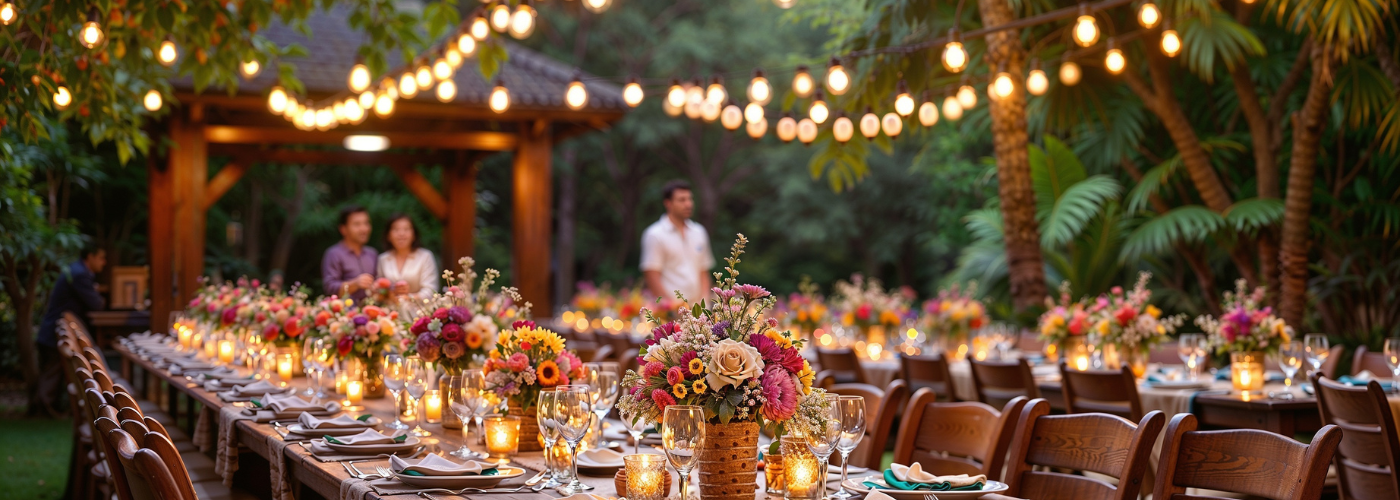
Many couples are discovering that lighting does more for a room than extra objects. Warm, layered lighting, with soft uplighting, candle-style lamps and well-lit entrances and stages, can transform an ordinary hall or marquee. It is also easier to adapt across several events.
What it means for you: ask your venue and decor vendors about lighting early, including what is included and what can be added. It is often a better investment than additional props.
Verdict: worth following. It is one of the best value upgrades.
6. Documentary and Film-Inspired Photography
Photography is continuing to move away from heavily stylised, preset-driven looks towards natural, documentary and film-inspired styles. Couples want photographs that feel real, with candid moments, true colour and a timeless look, not a trend that will date quickly. Our guide to how wedding photography styles have changed explains the options.
What it means for you: ask to see full wedding galleries, not only highlights, so that you can judge consistency. Also agree on a shot list for the key family photographs that matter.
Verdict: worth following, with a short list of must-have group photographs.
7. Food as the Centrepiece
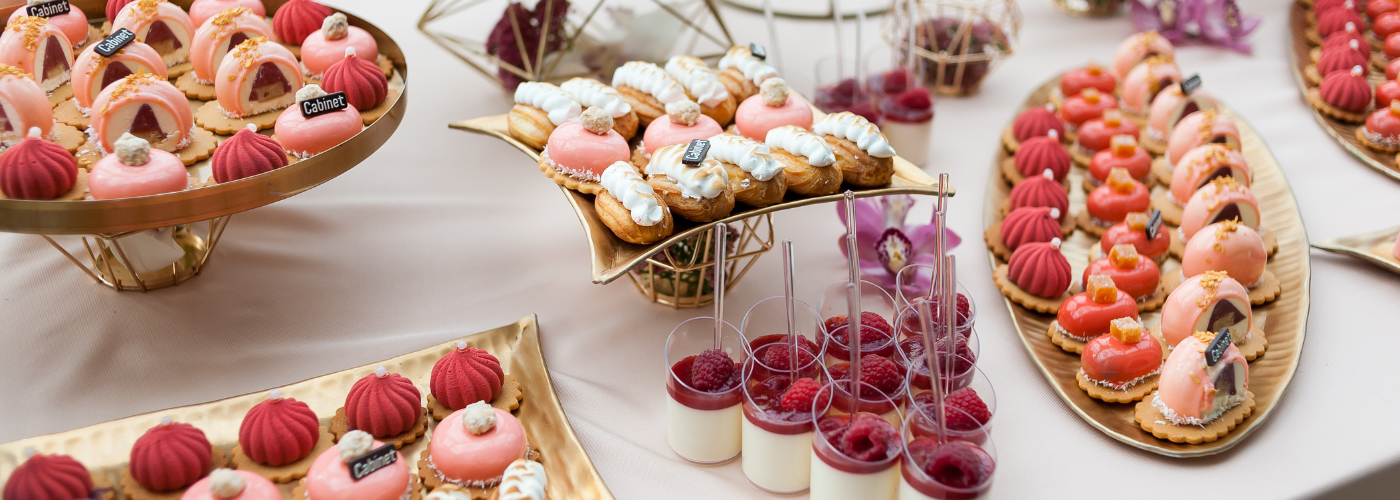
Guests consistently say food is what they remember most, and couples are responding by investing in it. That can mean a thoughtful menu, live stations, a dedicated chai or dessert table, or regional dishes that reflect the families' backgrounds. We are also seeing more attention to dietary needs and to service quality, such as hot food served promptly.
What it means for you: choose a caterer experienced at your scale, hold a proper tasting and agree the service plan in writing. A shorter, better menu usually beats a long one. For budgeting, many UK couples plan around £20 to £35 per head for buffet catering, though prices vary.
Verdict: worth following. It is where guests notice the difference most.
8. Mocktail and Refreshment Bars
Alcohol-free drinks are becoming more creative, with mocktail menus, fresh juice bars, speciality chai and coffee stations, and welcome drinks that are more than a plain glass of squash. For many couples, particularly in Muslim communities, this is both a practical and a stylish choice.
What it means for you: a well-designed drinks station can be a feature of the evening, and a good use of a modest budget. Ask your caterer or a specialist vendor what they offer.
Verdict: worth following. It suits almost every wedding.
9. Sustainability and Less Waste
Couples are paying more attention to waste, from leftover food to single-use decor. Practical examples include donating surplus food through appropriate channels, hiring or reusing decor, choosing digital invitations, and using florals that can be repurposed or taken home. See our guide to managing wedding waste and leftovers.
What it means for you: small changes add up and often save money. Ask vendors what they offer, and plan for how leftovers will be handled before the day.
Verdict: worth following. It is good for budgets and for your conscience.
10. Planning and Booking Go Digital
More of the planning process is moving online, from vendor discovery and messaging to payments, contracts and checklists. Couples want one organised place instead of scattered chats and spreadsheets, and they increasingly expect clear written agreements and traceable payments. See our guide to booking wedding vendors safely for how to do this well.
What it means for you: keep every vendor, quote, payment and message in one place, and ask for written confirmation of every booking.
Verdict: worth following. It reduces stress and risk.
How These Trends Show Up at Each South Asian Wedding Event
Trends look different depending on the occasion. Here is how the ideas above can translate across a typical multi-event wedding.
- Mehndi. Warm, colourful decor, a henna area for guests, a chai or dessert table and relaxed seating. Guests tend to remember the atmosphere and the food. See mehndi vs mehndi night for how to decide the scale.
- Nikah. A calmer, more intimate setting with soft lighting, refined florals and a clear focus on the ceremony. Simplicity often looks the most elegant here.
- Walima. Often the largest event, where a well-planned menu, comfortable seating and a polished stage matter most. Food and service quality make the biggest difference.
- Any additional events. Keep them focused and connected to the same visual theme, so the weekend feels cohesive.
What the Trends Mean for Your Budget
Trends can quietly push budgets up, so it helps to see where the money tends to go. In general, the trends that give the most value are those that improve the experience for every guest, such as lighting, food and comfort. The ones that add cost with less impact are often large installations and highly specific decor.
- Higher value: lighting, food quality, seating comfort, a clear schedule and good photography.
- Moderate value: a well-designed stage and entrance, a drinks or chai station and foliage-led florals.
- Lower value for the cost: oversized installations, multiple costume changes and heavily themed decor that guests rarely notice.
If you are balancing cost against ambition, our guide to saving money on a South Asian wedding shows where savings are least likely to be noticed.
Questions to Ask Vendors About 2027
- Are you taking bookings for my date, and how far ahead is your calendar filling?
- Will your 2027 prices differ from your current ones, and can I lock in a quote in writing?
- What is included in your package, and what is extra?
- Can you work across several of my events, and does that affect the price?
- What is your cancellation and postponement policy?
Trends You Can Safely Skip
Not every trend deserves your attention. Some are expensive for what they deliver, others date quickly and some simply will not suit your wedding.
- Anything you would not choose without the trend. If you are only doing it because it is popular, think again.
- Elaborate installations that compete with your budget for essentials. Food, photography and comfort come first.
- Large printed signage collections. Few guests read beyond the welcome sign.
- Heavily trend-led styling that may date quickly. Timeless choices tend to age better in photographs.
- Multiple outfit changes that eat into your time. Present, relaxed time with your guests matters more.
What to Plan for If You Are Marrying in 2027
Beyond individual trends, there are practical points worth knowing if your wedding is in 2027.
- Book early for popular dates. Peak Saturdays in spring and summer, and dates around holidays, can book far in advance. Aim to secure your venue and key vendors as soon as you have a date.
- Expect costs to keep rising. Many vendors adjust their prices each year, so earlier booking can help, and written quotes protect the price you agreed.
- Consider off-peak options. Fridays, Sundays, weekdays and winter dates can be far easier to book and better value.
- Build in a contingency. Keep 5 to 10 percent of your budget aside for the unexpected.
- Plan your events together. If you are hosting several, think of them as one connected weekend.
For a broader look at the trends of the year now ending, see our guide to wedding trends to watch in 2026 and which to skip.
How to Decide Which Trends Are for You
- List the trends that genuinely appeal to you, not the ones you feel you ought to follow.
- Check each against your budget and your guests' comfort.
- Ask whether you would still like it in ten years of photographs.
- Ask whether it suits your families, your events and your values.
- Choose two or three that matter most and let the rest go.
Final Thoughts
The strongest theme running through the 2027 trends is that couples want weddings that feel considered. Better food, warmer rooms, calmer schedules, natural photographs and organised planning all point the same way: fewer things done well, with the guests' experience in mind. Choose the trends that suit your wedding, ignore the rest and put your budget where it will be felt.
To start planning, you can browse trusted UK vendors across 17 categories on Wedsi, free for couples.